
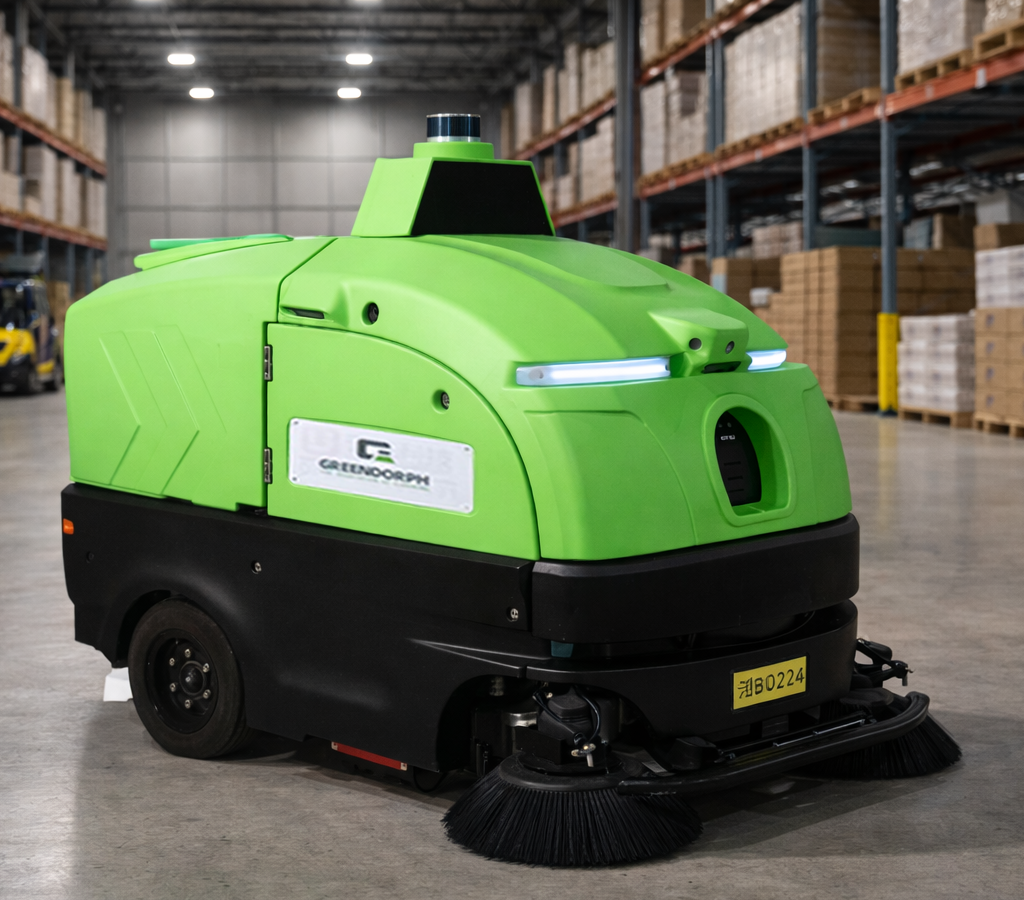
The Urban Struggle: Cleaner Streets or Dusty Grit?
Picture a bustling Dublin morning, where coffee brews and the buskers serenade passersby. Amidst the vibrant chaos, there’s a nagging problem—filth and litter. Did you know that cities lose millions annually due to inadequate street cleaning? It’s a stark reality that many don’t contemplate, yet the solution is at our fingertips with electric street sweepers. Who wouldn’t want cleaner streets without the noisy diesel fumes muddling our fresh air?
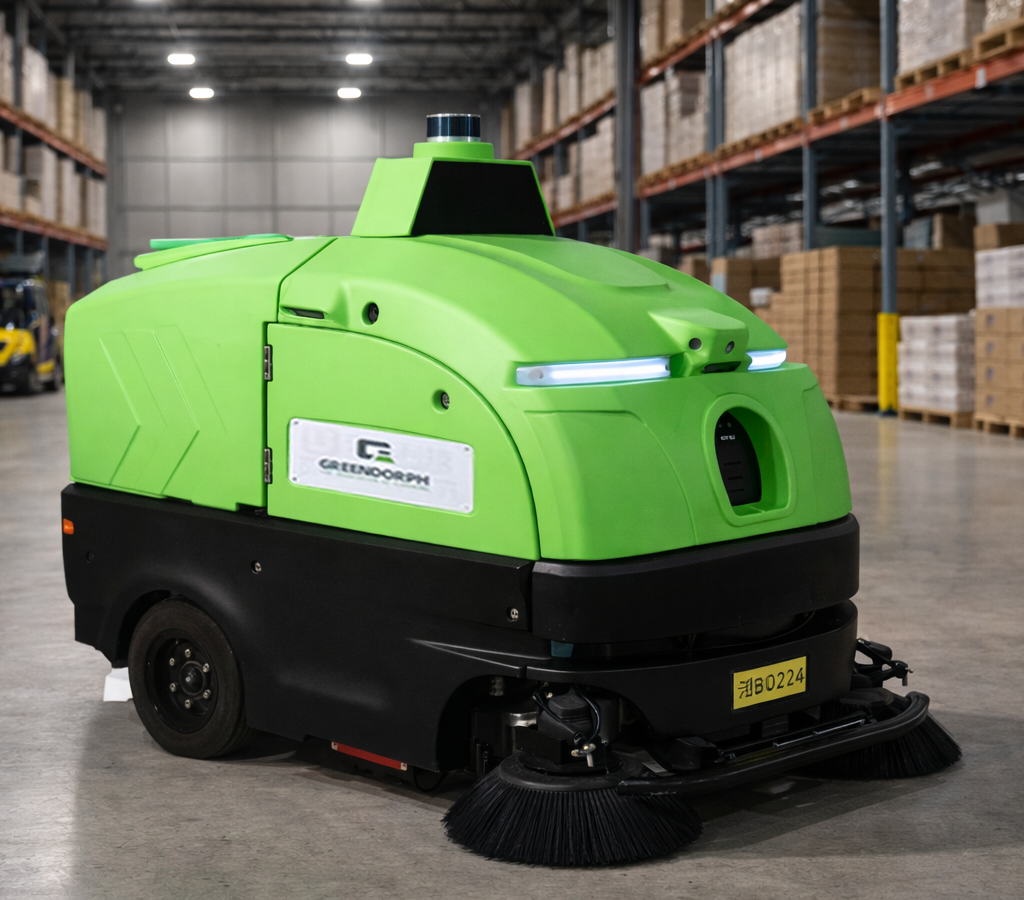
Traditional Street Cleaners: The Unseen Flaws
We’ve all seen it—the old mechanical sweepers churning up dust while spewing exhaust that smothers our beloved green spaces. These traditional machines, although once the go-to solution, come with flaws that are hard to ignore. They’re heavy, cumbersome, and let’s be honest, not particularly eco-friendly. My own experience with these behemoths—back when I worked in city maintenance—left me frustrated. They did the job, but at what cost to our health? We desperately needed an upgrade, and that’s where electric street sweepers shine.
What’s Wrong with Current Options?
Many cities clung to the traditional machines for way too long. The costs, while seemingly manageable, often outweighed the benefits—think about it! Maintenance issues started piling up more than the actual debris they were meant to clear. Electric street sweepers, however—ah, they’re light, efficient, and whisper-quiet, making them the better choice for urban environments. As a user, I felt the transition was inevitable. These slick machines are designed to tackle the challenge of maintaining cleaner streets without ruining our cherished peace.
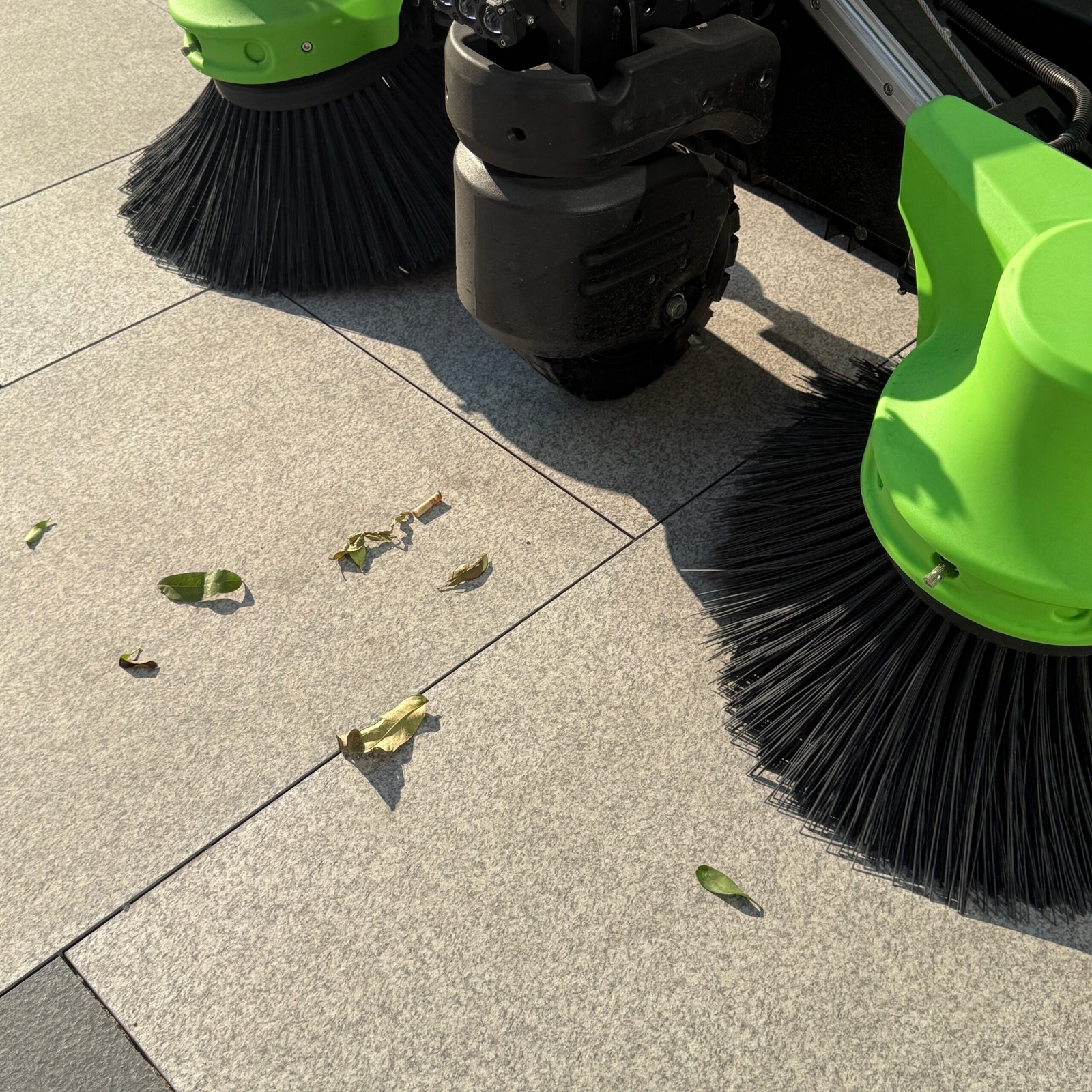
Looking Ahead: The Future of Urban Cleaning
When I think about the next generation of urban cleanliness, electric street sweepers are at the forefront. Emerging technology offers so much more than just a clean street; we can expect smarter operations, reduced costs, and significantly lesser grime accumulation. Picture cities that breathe again—free from the haze of pollution and nasty smells. Indeed, we should consider utilizing cleaner tech to boost our city’s health.
Real-world Impact
So what’s in store for future street management? I firmly believe that making the switch to electric alternatives is an investment that pays off down the line. Cleaner streets contribute to higher property values, while a healthier environment means residents feel more connected to their local spaces. Moreover, they aid in driving tourism—after all, who wouldn’t want to stroll through a pristine Dublin? Remember, we owe it to future generations to ensure they inherit a cleaner, greener world.
Lessons Learned and Metrics for Evaluation
Through my journey, I’ve gathered a few insights. If you’re on the lookout for solutions, here are three critical metrics to evaluate electric street sweepers: the cost of maintenance, energy efficiency, and noise levels during operation. Each one plays a vital role in shaping the future of street cleaning. Trust me, those electric beauties are going to become the standard, not just a novelty. And let’s be real—who wants to deal with smoggy air and ineffective street cleaning?
While the shift from traditional to electric is not without its bumps, the path towards cleaner cities has never been clearer. In my humble opinion, opting for innovative tech like those offered by Greendorph is a change worth making.