
User-first opening: why one size fails
Beginners, seasoned traders, and conservative savers all look for the same thing: a clear path that respects their capital and time. A user-centric view helps build such a path. For someone new, a small, rules-based approach to forex cfd trades can protect capital while teaching market behaviour; for the active trader, scalable position-sizing and tighter stop-loss discipline support higher-frequency moves. Across profiles, the backbone remains identical: define risk, choose liquid instruments, and match leverage to objectives. The global foreign exchange market still moves huge volumes — BIS reported around $6.6 trillion daily in 2019 — so liquidity and spread matter when you scale.
Mapping investor profiles to strategy templates
Profile A — Novice: Use small position sizing, wide time horizons, and basic hedging. Start with commodity CFDs that track major energy or metal benchmarks and practice with low leverage and defined margin buffers. Profile B — Intermediate: Introduce trend-following and breakout rules, use stop-loss and trailing-stop sequences, and monitor volatility to adjust exposure. Profile C — Professional: Employ multi-asset hedges, dynamic leverage, and execution algorithms where spread and slippage are measured per trade. Each template shares common elements: clear entry triggers, exit rules, and a documented risk-to-reward target.
Risk controls and scaling mechanics
Scaling is mostly mechanical: increase lot size only after proven edge and consistent win-rate. Use fixed fractional sizing to protect against ruin; keep stop-loss levels proportionate to volatility. Maintain an emergency margin cushion and monitor margin utilisation hourly if you run several positions. Leverage amplifies returns and losses — always couple it with disciplined stop-loss and position-sizing rules. Liquidity events, like the April 2020 oil price dislocation, show how fast margin calls can arrive if controls are loose.
Execution: platforms, spreads, and order tactics
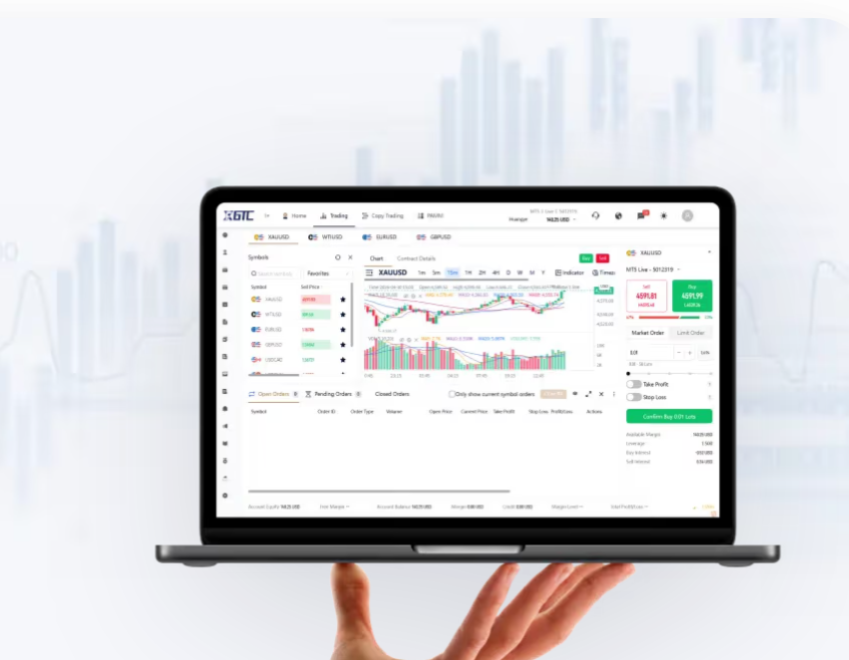
Execution quality separates theory from outcome. Choose a reliable cfd forex trading platform that lists transparent spreads, offers quick order routing, and provides level-2 data for larger accounts. Use limit orders to control entry price and consider partial fills if spread widens. Track slippage and the effective spread per execution; those metrics will tell if your platform meets the strategy’s needs. For scalable approaches, automation of routine tasks — basic scripting for stop adjustments or profit-taking — reduces human error without removing oversight.
Common mistakes and practical fixes
Traders often overleverage, ignore correlation between positions, or chase high volatility without a plan — all fast routes to drawdown. Fixes are straightforward: lower leverage, enforce maximum portfolio-level exposure, and periodically rebalance. Keep a trade journal with execution timestamp, spread, and reason for entry; this simple record reveals hidden slippage and behavioural patterns. — Small adjustments compound: a 0.5% execution improvement compounds meaningfully over 12 months.
Comparing alternatives and when to switch
CFD commodity strategies compete with futures and ETFs. Futures offer tight pricing and centralised clearing but bring larger contract sizes and different margin structures. ETFs are simpler and carry lower operational complexity but lack the leverage flexibility of CFDs. Choose based on tax situation, capital scale, and need for margin efficiency. If trading costs or slippage rise, consider rotating to safer instruments or reducing trade frequency until conditions improve.
Summary and three golden rules for evaluation
Summing up: match strategy templates to investor profile, enforce risk controls, and prioritise execution quality. Here are three critical metrics to evaluate any scalable commodity CFD approach: 1) Risk-adjusted return (Sharpe or similar) over at least 50 trades; 2) Average slippage and effective spread measured per trade; 3) Maximum drawdown relative to your capital and the time needed to recover. These tell you if a system is robust, executable, and tolerable in real markets.
For practitioners in Kathmandu or London, these assessments are practical — not academic — and they map directly to platform choice and daily routines. GTCFX. –