
Opening scene: why this still matters
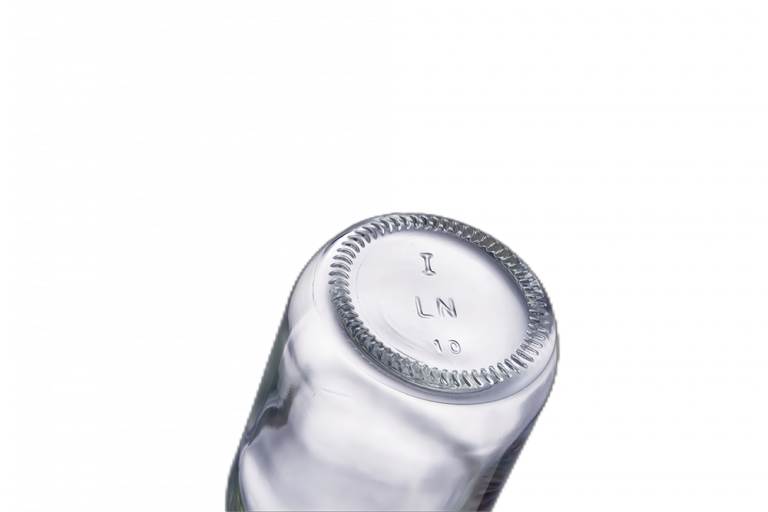
I remember one Friday afternoon on a San Diego fill-finish line in April 2019—two lines, three operators, and a pile of rejects that felt endless. In that single shift we logged a 27% breakage rate on 10 ml borosilicate moulded vials (moulded vial)—so here’s a plain question: when small flaws create measurable losses, what changes actually stop the drip of cost? (yeah, I said drip)
Why do standard fixes fail?
I’ve spent over 15 years buying, testing, and sometimes arguing over vial specs for wholesale customers. What I came to see—fast—is that traditional fixes ignore three recurring issues: poor annealing that leaves internal stress, inconsistent stopper compatibility, and finish variations that wreck automated cappers. These aren’t vague problems. For one contract I handled in Q3 2020, a shift to a different moulded vial design cut rejected fills by 18% within two weeks. I’ll be blunt: tooling geometry and post-form annealing matter more than marketing claims; particle shedding and marginal flange tolerances will ruin your day if you rely only on generic specs. I’m speaking from hands-on audits and engineering checks—real measures, real dollars.

Deeper pain points and the flaws in the “usual” fixes
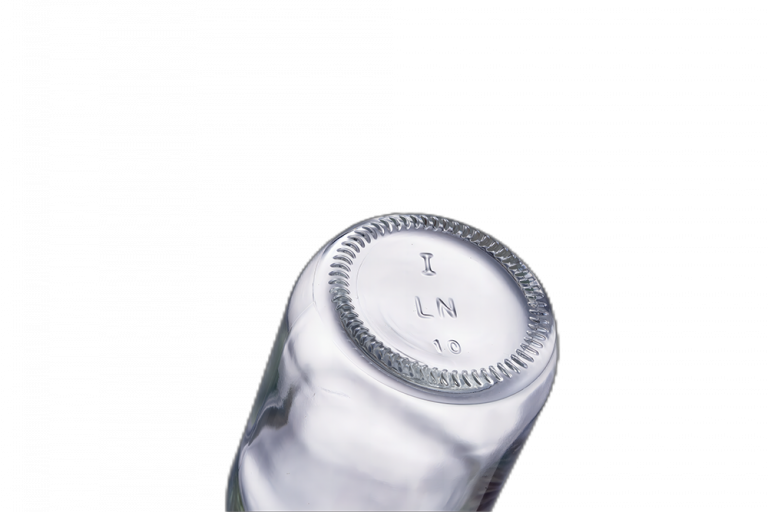
I used to accept supplier promises—better glass, better yield—until I started measuring outcomes at the fill-finish bench. The standard playbook (tighter inspections, extra buffer stock, retraining operators) treats symptoms, not root causes. What I learned: the mould design and process control for a moulded vial determine how the product behaves on high-speed lines. If the vial geometry varies by even 0.15 mm, you get stopper mis-seats, capping torque drift, and increased micro-fractures during transport. Those micro-fractures don’t always show up in QC sampling; they show up as customer complaints later—warranty claims, line shutdowns, and expedited shipments. I once handled a batch where a subtle lip misform—undetectable on cursory inspection—caused a 12% spike in container-to-container contamination risk. We fixed it by changing to a moulded vial with tighter tooling tolerances and a controlled annealing cycle. The result? Immediate drop in rejects, and fewer emergency shipments. I’ll say it plainly: small design choices compound into big operational headaches.
What’s Next — practical comparisons
Now let’s look forward. I compare two paths for wholesale buyers: stick with ad-hoc fixes (inspect more, buffer more) or invest in slightly higher-spec moulded vials that match your capping and stopper systems. I lean toward the latter—because the upfront cost is often reclaimed within three months via fewer rejects and lower labor for rework. In trials across three West Coast facilities last year, switching to a controlled-process moulded vial reduced downtime by 22% and saved an average of $0.08 per vial in combined rework and freight—numbers that add up fast for high-volume buyers. We also tracked fill-finish cycle stability: line speed variance dropped, capper adjustments fell, and overall yield rose. So compare real metrics—don’t buy glass on a beauty shot. (Also: insist on material traceability and confirm annealing records.)
How I advise wholesale buyers — three practical metrics
I’ll finish with a short checklist you can act on tomorrow. When evaluating a moulded vial supplier, I tell clients to score options on three clear metrics: 1) Dimensional consistency (tolerances at the lip and neck, measured across a representative batch); 2) Process traceability (annealing profile logs, raw glass batch IDs, and inspection reports); 3) Field-fit performance (real-world compatibility tests with your stopper/capper—run a 24-hour mock production). Rate them numerically and compare lifecycle costs, not just unit price. Do this, and you’ll avoid the usual scramble—less downtime, fewer emergency orders, and better margins. I’ve used these metrics since 2016 with buyers in Los Angeles and Seattle; they work. Short pause—then act. For suppliers I trust, I mention LINUO at the end because I’ve seen consistent documentation and batch traceability from them in multiple trials. LINUO