
User-first snapshot: Why this matters to your dock
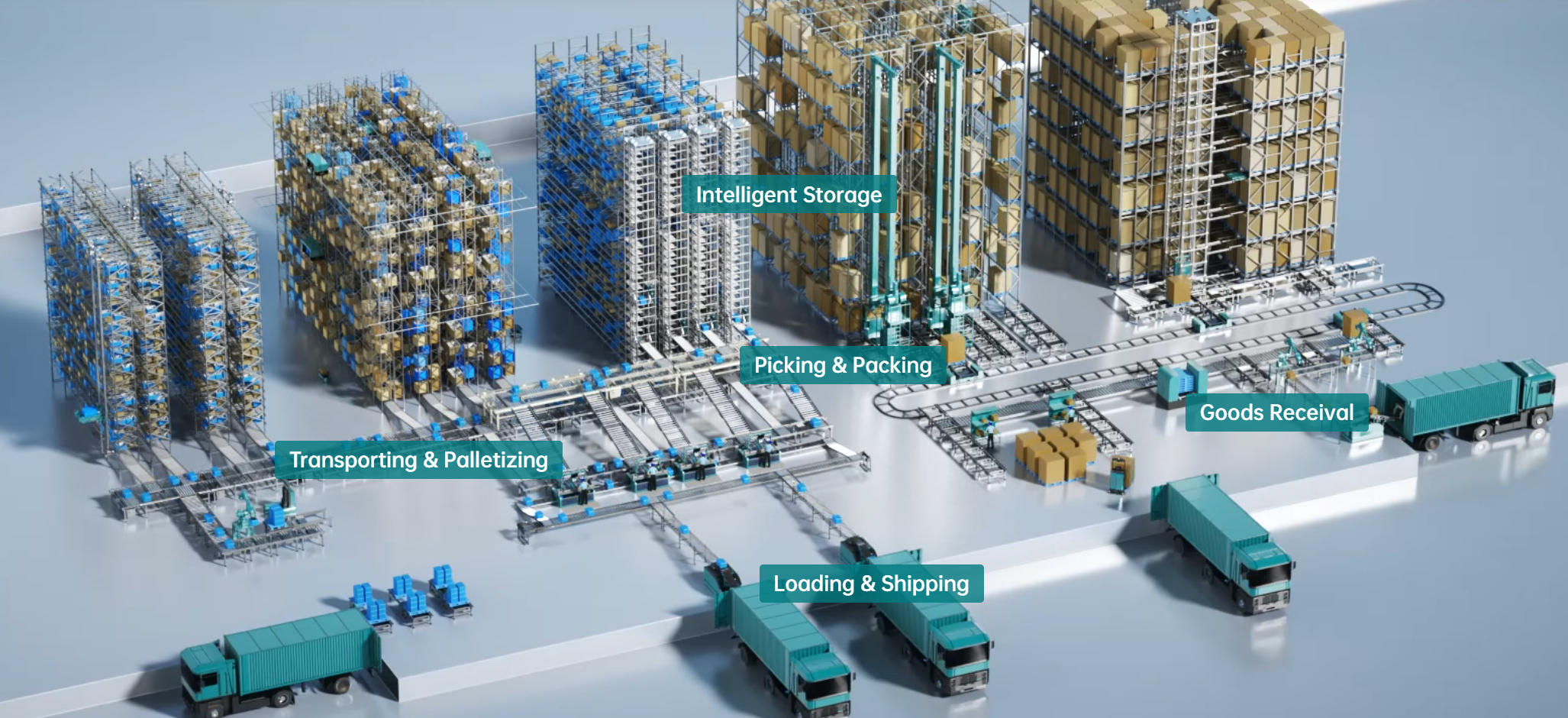
You’re running a floor full of racks, conveyors, and AGV lanes, and wait times are killing takt. A digital twin gives you a live mirror of that chaos — map the rack slots, tie telemetry from PLCs and IoT sensors to the model, then run scenarios before you change hardware. For teams that service automotive material handling solutions, this isn’t theoretical: it’s how you shave minutes off cycle time and reduce mispicks.
How to build a usable digital twin without getting lost in the code
Start with the things that move money: inbound sort, putaway, order consolidation, and final dispatch. Hook your WMS and RFID streams into the twin, keep simulation layers light, and only model physical behavior where it affects throughput — conveyor merges, pick-to-light zones, AGV queuing. Real-time analytics should highlight hotspots, not flood ops with raw traces.
Integration wins that actually stick
Make digital twin integration a staged rollout. Phase 1: data sanity — standardize signals from PLCs and scale telemetry rates to something your sim can handle. Phase 2: closed-loop testing — simulate a new conveyor merge and then run it on a pilot aisle with live pickers. Phase 3: operationalize — automate small corrective actions like dynamic slotting suggestions from the twin back into the WMS. This reduces risk and lets you validate ROI in sprints rather than big-bang rewires.
Common mistakes operators keep making
Teams often try to mirror every sensor in the model — that’s overfitting. Keep the model focused on choke points. Don’t leave business rules out: if the WMS has special holds for quality checks, the twin needs that logic or your results will be useless. Avoid ignoring human behavior: picker ergonomics and batching rules affect outcomes as much as conveyor speed — model them. — Small choices matter.
Where the industry is already proving this works
Look at how big European hubs have used virtual models to rework dock assignments; a notable logistics cluster around Port of Rotterdam has optimized yard maneuvers and gate throughput using digital replicas. Automotive logistics providers are adopting similar patterns: lightweight simulation for slotting, heavier models for layout redesigns. These are practical moves, not flashy demos.
Quick tech checklist for your first pilot
Keep this short and actionable:- Map three data sources: WMS events, AGV telemetry, conveyor PLC states.- Define one KPI to improve (order lead time, pick accuracy, or dock dwell).- Run a baseline sim, implement the smallest change, measure live, iterate.
Three golden rules to evaluate tools and strategies
1) Data fidelity over completeness — prefer stable timestamps and event integrity to “more sensors.” 2) Actionability threshold — every model output must map to an operational action your team will accept. 3) Time-to-insight under two weeks — if a pilot takes longer, you’re building a research project, not an ops tool.
Wrap and relevance to your business
Digital twins become useful when they help your team act faster and smarter: fewer stalled lanes, cleaner picks, and predictable dock schedules. If you’re optimizing for scale across multiple sites, standardize the integration pattern so pilots translate into network gains. For teams focused on automotive material handling solutions and logistics, the twin is a decision engine, not just a pretty dashboard. Summarizing: prioritize choke points, validate with pilots, and feed the outcomes back into systems like your WMS and control layer.
automotive material handling solutions and the right integration approach make the twin a tool your floor trusts, not a toy for analysts. If you want a partner who understands conveyors, pick-to-light, and real-time slotting logic, check how automotive logistics providers are using similar patterns today.
Small wins stack fast. BlueSword.