
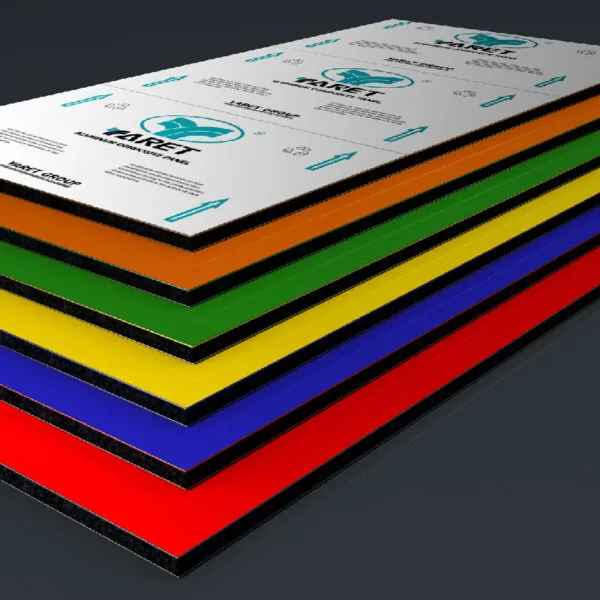
Introduction: A Site Morning, A Tight Deadline, A Better Path?
A contractor is standing by the hoist at dawn, counting crates while the crane idles—time is money, ndugu. Aluminum Composite Panel enters the talk in the second breath as the team debates weight, cost, and finish. Last quarter, a regional survey showed nearly one in three facade jobs suffered rework from misaligned panels and slow approvals. That’s a lot of pole pole progress for fast-build schedules. The numbers sting, but the pain sits deeper: coordination gaps, unclear specs, and materials that don’t forgive field errors. If delays are not just about labor or weather, what else can we fix first? (Sawa?) We can map where the friction hides and stop it before it starts. Now let’s step into the real snags—then compare the smarter routes waiting ahead.
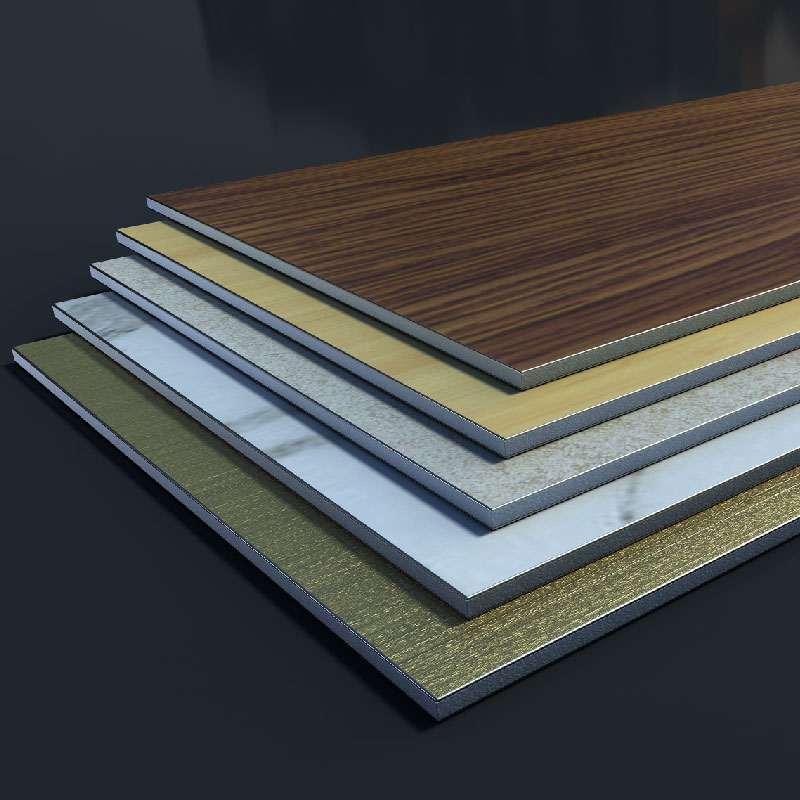
The Hidden Snags Behind the Shiny Surface
What’s breaking the promise?
Teams love the look and speed of the aluminum composite panel acp sheet, but the quiet trouble sits in choices made upstream. Specs call for PVDF coating, yet shop drawings skip joint movement rules. Thermal expansion pushes, peel strength gets tested in the field, and wind load math shows up late. Look, it’s simpler than you think: mismatch the subframe tolerances and even a premium fire-retardant core will not save panel flatness. The shine hides variance; the variance kills time. — funny how that works, right?
There’s more. Procurement selects mixed batches, then installers chase color shift under harsh light. Fasteners meet a rainscreen cavity that was never vented right. Water sneaks, sealant ages, and blame plays musical chairs. Traditional workflows assume “cut, fix, and forget.” But façades breathe. They move. When the grid ignores bracket spacing and the datum drifts, every splice talks back. A small drift becomes a visible step. A visible step becomes punch-list chaos. Better detail on the core density, smarter allowance for joint backing, and a clear test for bond strength cut that drama in half.
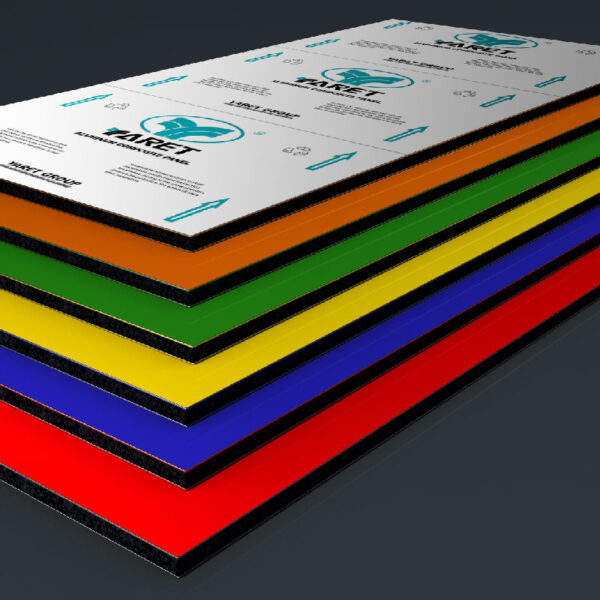
Forward Look: Principles That Change the Game
What’s Next
The new play is technical and calm. Model first, then order. Parametric rules tied to BIM check bracket offsets, joint widths, and corner returns before one sheet leaves the factory. With calibrated data, composite aluminum panels arrive sequenced to zones, not guesswork. A mineral core with stable modulus controls heat creep; a ventilated rainscreen clears moisture; FEVE or PVDF finishes keep color under UV without drama. Add simple field gauges for alignment, and you slash rework. Digital twins aren’t sci-fi here—they flag tolerance risks and wind load hotspots early. Compare that to old submittals sent as PDFs with static notes—one is living, one is blind.
Even the fastening story evolves. Slotted rails accept thermal movement; reversible adhesives speed replacements; edge trim kits standardize corners. You can benchmark against solid aluminum plate or HPL: plate wins on stiffness but adds weight and cost; HPL fares on price, but coating longevity and fire performance trail. Modern ACM systems tune the whole stack—support grid, cavity depth, and cladding—so serviceability improves. And yes, it surprises many—less mass can mean more stability when the system is designed as a system. The result feels simple on site because it was rigorous earlier.
How to Choose: Three Metrics That Keep Projects Lean
Advisory close, sawa: pick with your eyes on outcomes, not just samples. First, performance and safety: demand fire classification (A2 or NFPA 285 assemblies), verified peel strength, and wind load calculations that match your zone. Second, durability: confirm finish system (PVDF or FEVE), inspect panel flatness tolerance, and ask for accelerated weathering data. Third, lifecycle cost: measure install speed per square meter, replacement ease (can one panel come out clean?), and maintenance intervals for sealants in the rainscreen. Keep records tight, mock up early, and let the model govern cuts. If you follow these three, you’ll get fewer change orders, steadier schedules, and cleaner lines—no magic, just discipline. For deeper technical sheets and system notes, see yaret.