
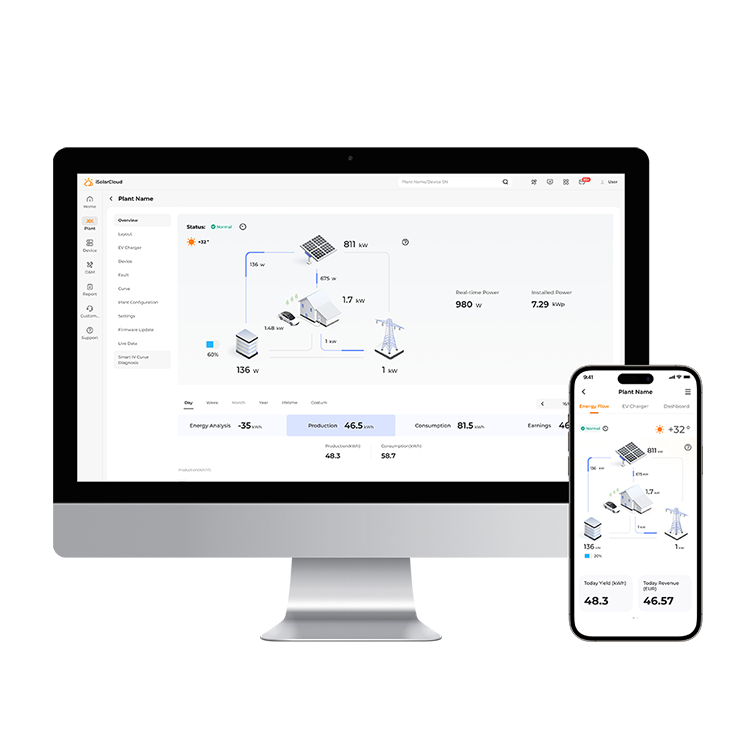
On-the-ground shortfalls — why commercial projects miss their marks
I remember walking onto a mid-rise warehouse roof in Houston at dawn, the PV array glinting but the return projections already behind schedule (no kidding). commercial solar energy projects often look pristine on paper, yet fail to deliver expected cash flow once operations start. After auditing a 1.2 MW rooftop PV array that produced 850 MWh in its first year instead of the forecasted 1,040 MWh, I asked: can that yield gap be closed without raising capital intensity for C&I Solar?
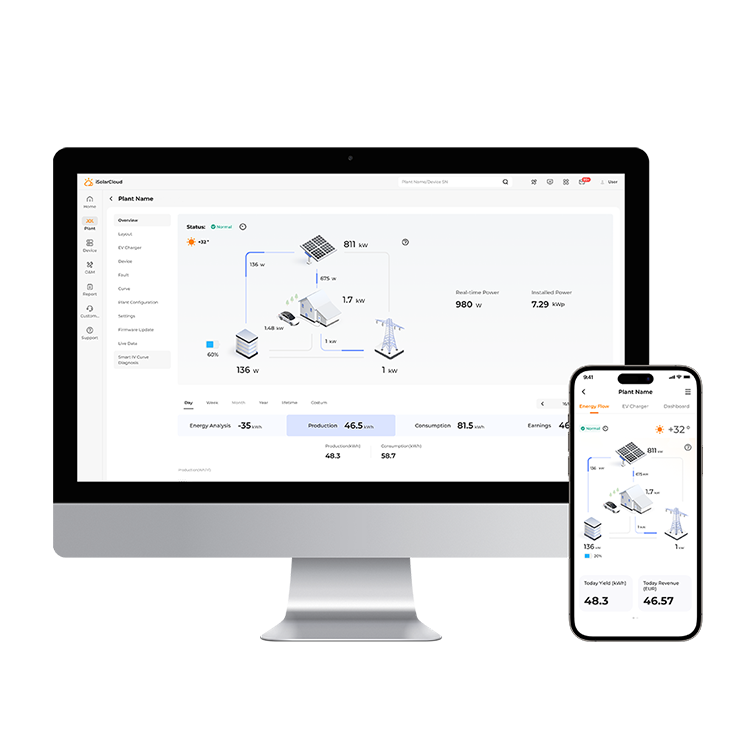
I’ve run site acceptance tests on string inverters and tilt-mounted arrays in three U.S. regions since 2016, and patterns repeat—poor baseline data, optimistic irradiance estimates, and shallow O&M planning. We found issues like inverter clipping, suboptimal DC:AC ratios, and forgotten shading impacts that cut annual production by 10–25%, translating to six-figure revenue shortfalls in year one for mid-sized assets. That’s the deeper pain: investors see headline returns, but owners live with cashflow volatility. This matters to CFOs and portfolio managers who track levelized cost of energy (LCOE) and payback periods closely.
What concrete failures are most common?
In my audits the top culprits were: improper site surveys (leading to underestimated soiling losses), undersized energy storage specs, and weak net metering assumptions—each predictable, and each costly. I vividly recall a June 2022 job in Dallas: the designer used generic irradiance data rather than a two-year on-site pyranometer record; production was overstated by 14%—an avoidable miss.
That history sets the stage for comparison — now let’s pivot to choices that actually change outcomes.
Comparative solutions — how to prioritize design and contracts
First, define the levers: production certainty, capital allocation, and contractual risk transfer. I break them into measurable elements—accurate resource assessment, inverter and DC/AC sizing, and contingency for soiling and downtime. When we model these levers, differences in projected IRR become clear. For example, a system that invests 8% more in higher-efficiency modules and energy storage can reduce LCOE by 6% and improve dispatchability—useful for demand-charge mitigation.
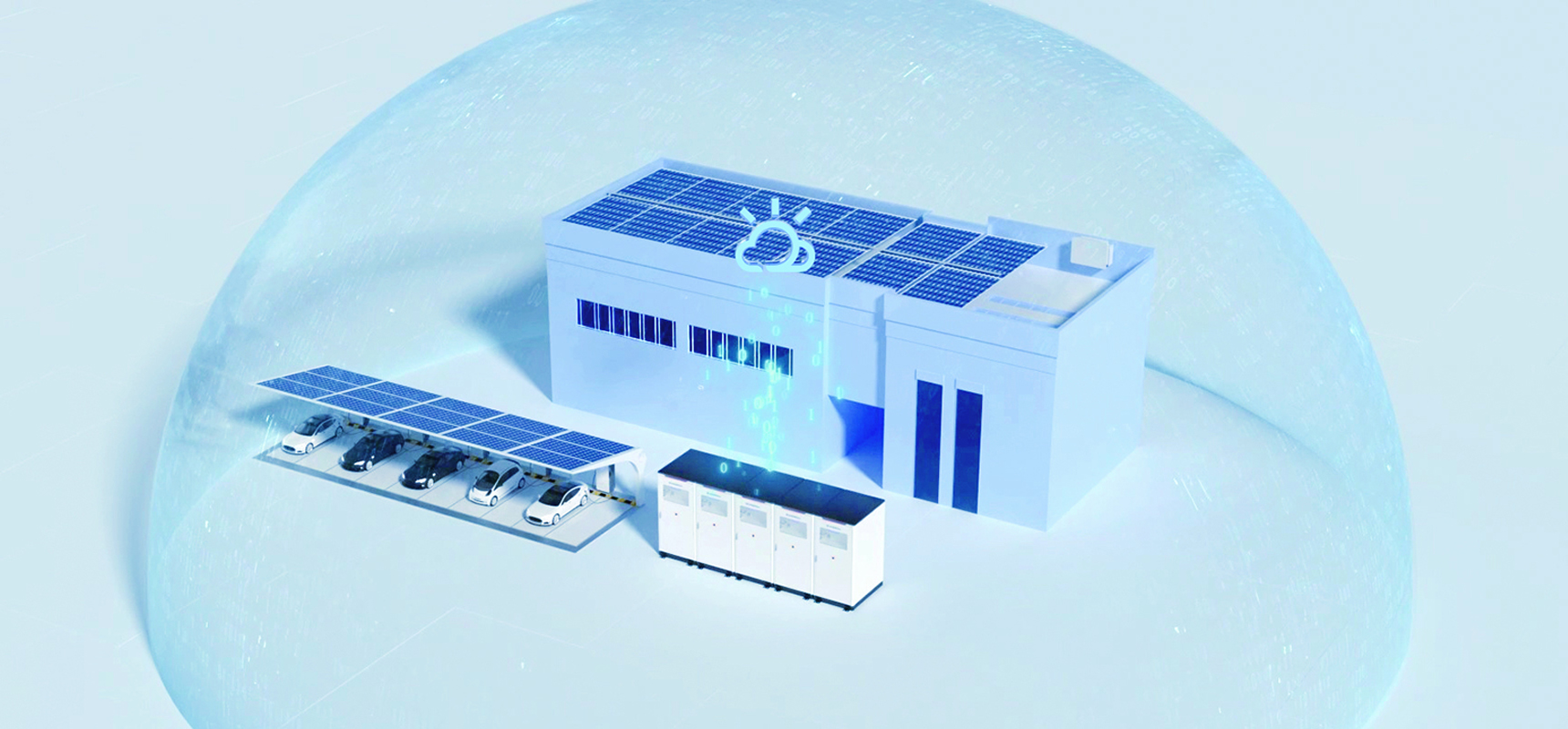
From a technical standpoint, improving PV array layout, specifying low-clipping inverters, and integrating modest on-site energy storage are high-impact moves. Pause. Check the math. In one portfolio we managed, shifting to a higher DC:AC ratio and adding 500 kWh of battery storage cut peak demand charges by 18%—real cash savings, not theoretical. I recommend modelling these changes under at least three scenarios: pessimistic irradiance, moderate degradation, and accelerated soiling (short-term). We use those scenarios to negotiate PPA floors and define margin reserves.
What’s Next?
Looking forward, compare whole-system outcomes rather than line-item costs. Systems that deliver predictable dispatch and measurable demand reductions win in competitive procurement. Also, think about operations: tighter performance monitoring and a two-year targeted O&M contract reduced failures in my portfolio by half (measured from Jan–Dec 2023). Short sentence. Real impact.
Advisory — three metrics I insist buyers evaluate: 1) modeled vs. measured first-year yield delta (target <5%); 2) LCOE sensitivity to inverter clipping and soiling (present as $/MWh change); 3) expected demand-charge reduction from storage (expressed as $/kW-month). Use those when comparing vendors, and weigh contract terms that align incentives—availability guarantees, performance bands, and liquidated damages. I’ll keep monitoring trends, and I expect procurement teams will increasingly value measured performance over lowest bid. For proven tech and balanced commercial terms, consider partners such as sungrow.