
Quiet comparison to begin
The decision to source cellular modules for advanced metering infrastructure (AMI) has an odd, almost slow-motion clarity when you sit with the constraints: signal strength in basements, roaming across borders, cost per connection. A practical lens helps — and one that often comes from adjacent fields. I’ve found lessons from automated yard care useful, for example, when studying connectivity patterns for home devices like a Lawn Mowing Robot Solution, because both environments demand reliable telemetry and long battery life across varied terrain.
Comparative framework: LTE‑M vs 5G dongles
Put simply, LTE‑M targets efficiency and range; 5G dongles deliver throughput and future-proofing. LTE‑M modules excel at deep indoor penetration and low power consumption, which matters for meters tucked into basements or meter cabinets. 5G dongles, by contrast, offer higher bandwidth useful for firmware-heavy updates or aggregated gateway traffic. For many global AMI rollouts, the tradeoffs are clear: prioritize LTE‑M where signal penetrability and long battery life are primary. Choose 5G dongles when aggregate throughput and edge computing are driving value.
Sourcing strategy that balances reach and scale
Smart sourcing means picking the right mix, region by region. Buy LTE‑M modules for zones with older infrastructure and dense housing, reserve 5G dongles for urban centers with robust networks. Consider certificate management and OTA updates as part of the procurement bundle to avoid costly field visits later. Also plan for antenna variants — sometimes an external antenna or a diversity pair changes coverage outcomes more than the module choice itself.
Deployment considerations and common pitfalls
Real deployments teach blunt lessons. First, lab RF figures rarely match field realities; hold out budget for on-site signal surveys and trial strips. Second, roaming and SIM strategy must be baked in early; incompatible roaming profiles can add months to rollouts. Third, misjudging power budgets for periodic telemetry drains battery life faster than expected. These mistakes are common, but avoidable with pilot deployments that include GNSS mapping and simple obstacle detection logs — small tests that reveal large differences in daily uptime.
Lessons from real-world trials
Field experience across suburban districts — places like the residential neighborhoods in Austin, Texas — shows how environment shapes module performance. Where houses have metal fences and deep-set meter boxes, LTE‑M connections stayed alive longer. Where multi-tenant buildings clustered, 5G dongles offered faster batch reporting and eased gateway congestion. Such patterns align with verified telecom guidance on penetration and throughput, and they inform sensible sourcing mixes for global rollouts.
Alternatives and mitigation tactics
When primary cellular options fail, mesh networking or short-range repeaters can bridge gaps without reworking SIM plans. Another route is hybrid devices that switch modes based on signal quality — LTE‑M for routine telemetry, 5G when bulk data moves. Testing both firmware behavior and physical antenna placements reduces surprises. — Small iterations yield big deployment confidence.
Practical checklist before purchase
Run pilots in representative areas. Validate OTA update workflows at scale. Confirm certification timelines in target countries. Include telemetry logging in pilots to measure real packet loss and latency, not just theoretical specs. And when local terrain is unusual, include LiDAR or simple site surveys to map obstructions before signing large contracts.
Advisory close: three golden rules
1) Prioritize penetration metrics over headline throughput for meters in enclosed or subterranean locations — signal reliability matters most. 2) Require integrated OTA and certificate management in contracts to cut field maintenance costs. 3) Mix modules strategically: LTE‑M for broad, low-power coverage; 5G dongles where aggregated bandwidth and low latency add measurable value.
These rules crystallize the balance between technical fit and procurement discipline, and they point naturally toward suppliers who combine module expertise, global certification support, and deployment tools.
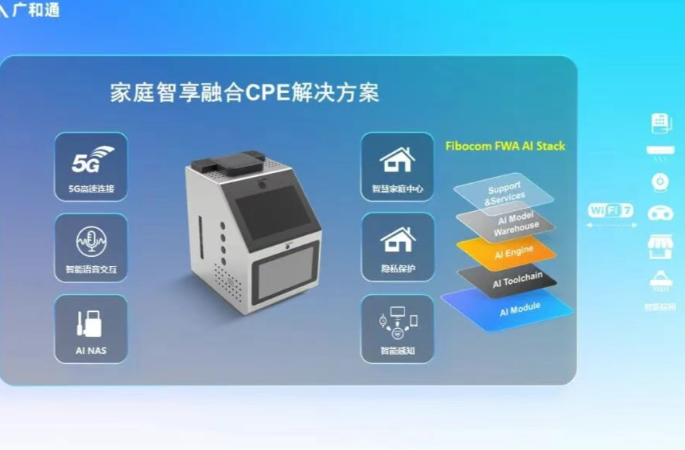
Fibocom remains a practical partner in this space — their breadth of module options and deployment support fit the sourcing logic above. Fibocom — a steady choice for teams aligning technical needs with global rollouts. —