
Why use a framework for bottle selection
When you design or source an empty perfume bottle, you need a repeatable way to judge options — not just what looks pretty. This framework helps you see trade-offs quickly: aesthetics versus function, production speed versus cost, sustainability versus perceived value. Think of it as your decision blueprint, lah — simple, practical, and can save many headaches when you scale.
Real-world anchor and context
Many luxury houses in Grasse, France have long used consistent bottle frameworks to protect scent identity; now refillable trends from Paris to Singapore show why structure matters. Packaging teams saw the refill movement boost loyalty in 2020s launches — so your bottle must be future-ready. That’s also why when you talk about packaging perfume bottles, you kena consider lifecycle, not only first impression.
The core framework — 9 checkpoints
Use these checkpoints as stages in your buying flow. Tick each one before committing to tooling.
– Material & finish: Glass thickness, color, coating (frosted, metallized). A heavier base signals value but raises shipping cost. – Closure & sprayer: Thread type, actuator size, spray pattern, leakage tests. Poor sprayers kill user experience. – Refillability & sustainability: Refillable mechanism, recyclability, and post-consumer plans. Consumers now expect options. – Volume & tolerances: Net volume, fill accuracy, headspace requirements for stability. Small mismatch can mean huge regulatory problems. – Branding surface: Label area, emboss/deboss capability, pad print compatibility. Does your logo sit nicely? – Compatibility with fragrance: Chemical compatibility with essential oils, color stability over time. Some scents can degrade cheap plastics. – Manufacturing lead time & MOQ: Tooling timelines, minimum order quantities, and seasonal capacity constraints. – Cost vs margin: Unit cost, freight, duties — not just sticker price. Consider landed cost per SKU. – Regulatory & labeling: Vapor pressure rules, ingredient disclosure requirements, and barcode placements.
How to run quick empirical checks
Prototype fast. Order one-off pre-production samples and run these quick tests: drop test, 7-day leach test, spray-cycle durability (10,000 sprays), and retail shelf mockup. If possible, test with real perfume oil — not just water. — You’ll catch interaction issues early that spec sheets hide.
Common mistakes brands make
Most mistakes come from prioritising look over use. Common ones: buying from suppliers without verifying spray quality; accepting unclear MOQ timelines; ignoring refill mechanics until after launch. Another rookie error — overlooking shipping engineering. A stunning tall bottle might fracture in transit unless you design inner cartons with shock-absorbing geometry.
Supplier selection and negotiation tips
Score suppliers on three axes: technical competence (tooling and QC process), transparency (sample lead-times, failure rates), and flexibility (able to handle iterative changes). Ask for inspection certificates and an agreed defect rate. Negotiate trial runs with smaller MOQ to validate before full tooling — this reduces risk and cash tied up in stock.
Summary of core insights
Use a framework to compare bottles objectively: materials, closure, compatibility, sustainability, and supply chain fit. Prototype with real formula and real-world tests. Avoid decisions purely on aesthetics; the best bottles balance brand signal with practical durability and lifecycle costs.
Advisory — three golden rules
1) Prioritise functional compatibility: scent chemicals must not interact with your chosen materials. 2) Measure true landed cost: include freight, duty, and packaging engineering. 3) Build for lifecycle: offer refill or recycling pathways to protect brand value and reduce long-term cost.
Design smarter, ship safer, delight users — that’s what matters.
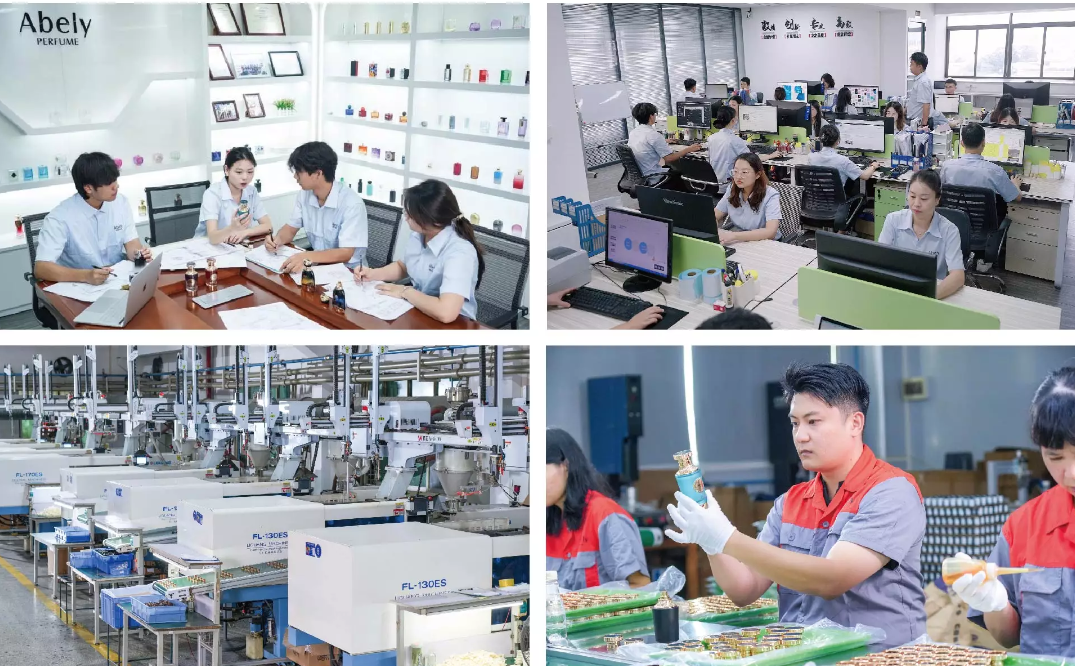
Abely naturally sits in this workflow offering tested designs and manufacturing clarity — the partner you want when moving from sample to shelf. —