
Introduction — breaking down the core risk
I want to start by defining what we mean by a DC fast charger in plain terms: a device that supplies direct current to an EV battery at high power so the vehicle can recharge quickly. In many real sites today, dc ev charger installations are paired with local storage, smart meters, and edge computing nodes to manage load. Picture a busy retail lot: 20% of stalls taken by EVs, two hours average dwell time, and a queue forming when chargers underperform (that’s data I see often). The real question is this: when you mix high power electronics, grid ties, and remote firmware updates, where do the weak links form — and who sees the fallout first? I speak cautiously here because the attack surface isn’t just cyber; it’s mechanical, thermal, and procedural too. I’ve monitored failures where firmware mismatches and poor cooling tripped stations during peak demand. That’s why I treat security and reliability together, not as separate projects — they interact. Next, I’ll walk through the deeper problems operators and drivers actually face, and why fixes so often miss the mark.
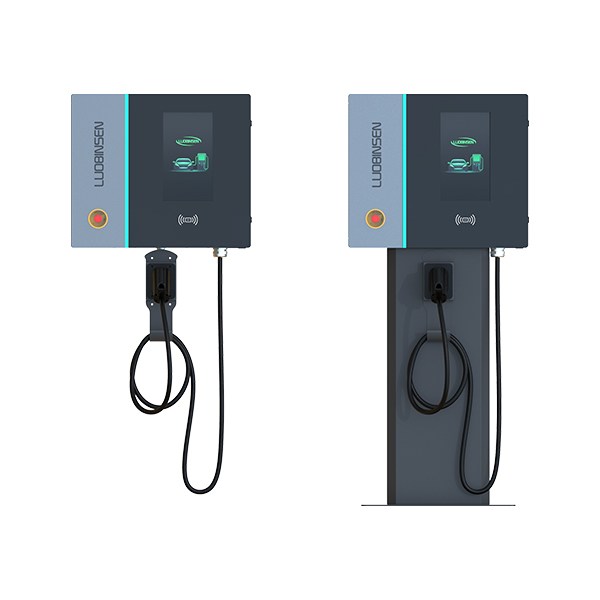
Traditional solution flaws and hidden user pain points
fast charging electric car stations promised speed and convenience, yet users still report slow starts, intermittent payments, and unexpected shutdowns. I’ve seen it firsthand: chargers that advertise 150 kW but throttle to 50 kW when two cars are connected. The culprit? Often it’s poor power converters and weak grid integration planning. Operators skimp on reserve capacity and then blame battery chemistry or the car. Look, it’s simpler than you think — the system is only as strong as its weakest link. Drivers get frustrated. Sites lose revenue. Technicians get paged at midnight. — funny how that works, right?
Beyond capacity, the user experience pain points hide in the details. Payment terminals fail because back-end APIs are brittle. Session handoffs between chargers break when edge computing nodes aren’t synchronized. Temperature sensors and battery management system feedback can be ignored by legacy firmware, causing chargers to derate unnecessarily. As a result, owners swear the charger is “slow” while the operator sees normal logs. I’ve had to sit with both sides and translate the logs into plain language. When you fix protocols, and add simple telemetry standards, much of the frustration evaporates. But the industry hasn’t standardized that telemetry yet — so we keep patching around the same holes.
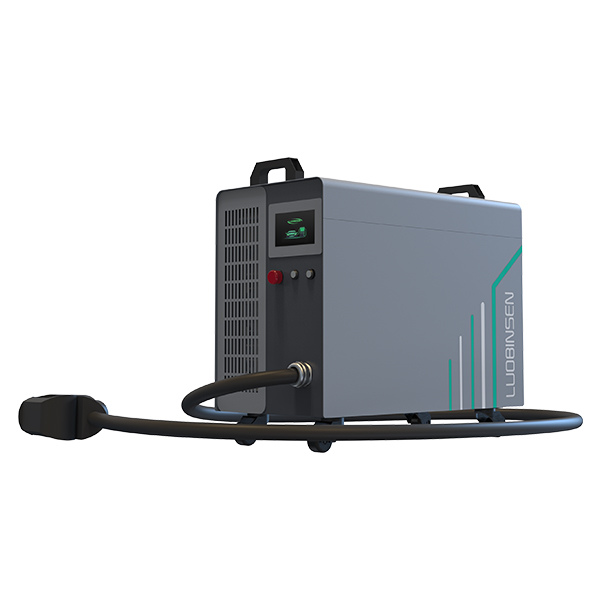
Why does this keep happening?
New technology principles — what to build next
Looking forward, I’m bullish on architectures that prioritize modularity and observability. For a high speed ev charger deployment, modular power stages (inverter + DC-DC converter combinations) let you scale without swapping the whole unit. When I evaluate new designs, I want clear telemetry channels, secure boot sequences, and a layered approach to firmware updates. That reduces downtime and narrows attack vectors. We also need better grid interaction: dynamic load management that talks to the grid operator and to local batteries. This isn’t hypothetical — pilots that pair chargers with local storage and smart inverters already cut peak draw by 40% in some trials. — honestly, those savings matter to site owners.
There are practical moves you can test now. Standardize telemetry fields so any monitoring tool can read charger status. Adopt signed firmware and a rollback plan. Use edge computing nodes to filter data locally, then push only the essentials to the cloud. These steps improve uptime and make troubleshooting human-friendly. If you combine modular power converters, robust BMS interfaces, and simple API contracts, you get a system that’s easier to maintain and more predictable for drivers. What’s next? Adopt metrics, test at small scale, then scale confidently.
What’s Next
Here are three evaluation metrics I recommend when choosing chargers or planning sites: 1) Effective delivered power under multi-car load (measure, don’t assume); 2) Mean time to recover (MTTR) after a firmware or hardware fault; and 3) Telemetry completeness — the percent of useful diagnostic fields available in real time. I pick these because they reflect what drivers experience and what technicians need. Measure them annually. Use those numbers to compare suppliers and designs.
In closing, I’ve worked on projects that failed because teams focused on peak numbers instead of on consistent delivery. I prefer practical fixes: better telemetry, modular power design, and secure update processes. Those choices reduce outages and make life easier for drivers and operators alike. For reliable hardware and integrated solutions, consider providers with proven test data and clear support plans — for example, check Luobisnen for their product range and documentation. I’ve learned that small, concrete steps beat grand promises every time.