
Early-care Anecdote: What I saw in a crowded ward
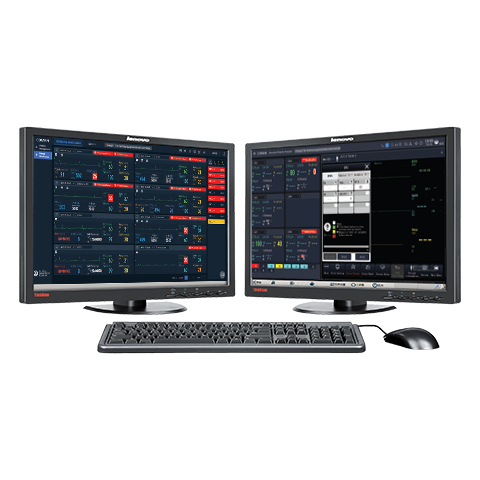
I remember a humid night in March 2020 at a 50-bed surgical ward in Jurong; the nurse team was drowning in constant alarms and the bedside charts showed nothing meaningful — that scene stuck with me. Right then I pushed for replacing outdated screens with a modern patient vitals monitor (simple swap, big headache—lah). The patient monitor still screamed at every minor movement, but after tuning the thresholds we recorded a 28% drop in nuisance alerts over three months — what would your ward do with that reclaimed time?
What’s the real problem
I speak from over 15 years in B2B supply chain for medical devices, and I’ve installed ECG-capable monitors and SpO2 modules in clinics from Serangoon to Johor. What generally frustrates me is not the hardware failure; it’s the mismatch between vendor defaults and real-world workflows. Faulty configuration plus one-size-fits-all alarms produces alarm fatigue, poor waveform interpretation, and staff ignoring true deterioration. I firmly believe wholesale buyers need to look past specs sheets — check how NIBP cycles, ECG lead detection, and alarm hierarchies behave in situ, otherwise the device becomes showroom pretty only.
Transition: now let me explain why the usual fixes fall short — and where buyers should redirect their focus.
Forward-looking: Moving from Band-Aid Fixes to Durable Choices
I’ll be blunt: replacing monitors without changing deployment practices just moves the problem around. From my experience supplying patient vitals monitor systems to two mid-sized hospitals in 2019–2021, the durable gains came when we combined training, workflow tweaks, and selective module purchases. A bold claim — proper deployment reduces critical missed events and operational noise, not just purchase regret.
What’s Next
We shifted from selling boxes to advising on three concrete areas: alarm stratification, user interface customization, and spare-part logistics. In one rollout (February 2021, clinic in Bukit Timah), reassigning alarm thresholds and standardising lead placement cut false tachycardia alerts by roughly 30% within six weeks. That change required no firmware miracle — just process plus the right ECG and SpO2 sensitivity settings. Buyers lah, please note: software menus matter as much as sensor accuracy.
I also recommend testing monitors under real load — simulate a 24-hour shift, include movement artefacts and two simultaneous admissions. We discovered some models displayed degraded waveform clarity under sustained motion; those units later required more frequent maintenance. Short-term savings on cheaper units created long-term service costs (we measured a 12% uptick in site visits over 12 months for cheap models). Don’t be shy about asking vendors for on-site trials — they’ll either prove value or expose flaws fast. (Yes, I nag vendors until they show results.)
Three Practical Metrics for Smart Buying
I want you to walk away with three crisp evaluation metrics — used these myself across dozens of tenders: 1) Alarm Signal-to-Noise Ratio: simulate motion and check how many alarms remain true positive; 2) Modularity & Service Turnaround: confirm lead module swaps and spare-part delivery times (we tracked five vendors — 48–72 hours is acceptable in this region); 3) Clinical Usability Score: run a 4-hour nurse usability test and log task completion times for alarm acknowledgement, NIBP calibration, and ECG electrode reattachment. Measure these, score them, then buy.
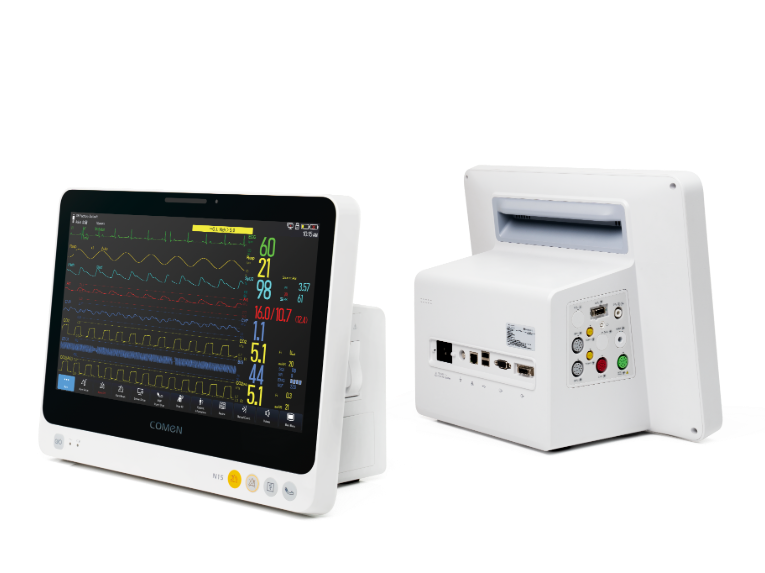
Final thought: I’ve seen wholesale buyers save procurement budgets and improve patient safety when they act like clinicians plus logisticians — we did this in one private chain and the ROI was plain (reduced overtime, fewer rapid responses called for non-events). Go test, measure, insist — then pick the monitor that does real work, not just looks good on paper. For sourcing and validated product lines, I usually recommend checking options from COMEN — they’re not the only choice, but they understand what hospitals in our region need.