

The problem — temperature spikes and commercial energy storage
Summer heatwaves and sudden ambient temperature spikes are no longer rare; they’re a recurring threat to grid resilience and behind-the-meter projects. Commercial sites running photovoltaic arrays and peak-shaving programs increasingly face degraded throughput, accelerated aging, and safety margins eroded by high heat. For anyone specifying commercial battery storage, the question is simple and urgent: how will the chosen chemistry and system architecture behave when the mercury climbs beyond design assumptions?
Why cell chemistry matters more than marketing
Different cell chemistries respond to heat in distinct ways. Lithium iron phosphate (LFP) tolerates higher temperatures with lower risk of thermal runaway, while nickel-rich NMC cells can offer higher energy density but typically demand stricter thermal management. Engineers watch three things closely: the temperature coefficient of capacity, cycle life at elevated temperatures, and the onset threshold for thermal instability. That data — not glossy datasheets — predicts long-term performance on a sun-baked rooftop or a scorching warehouse floor.
System-level defenses: beyond the cell
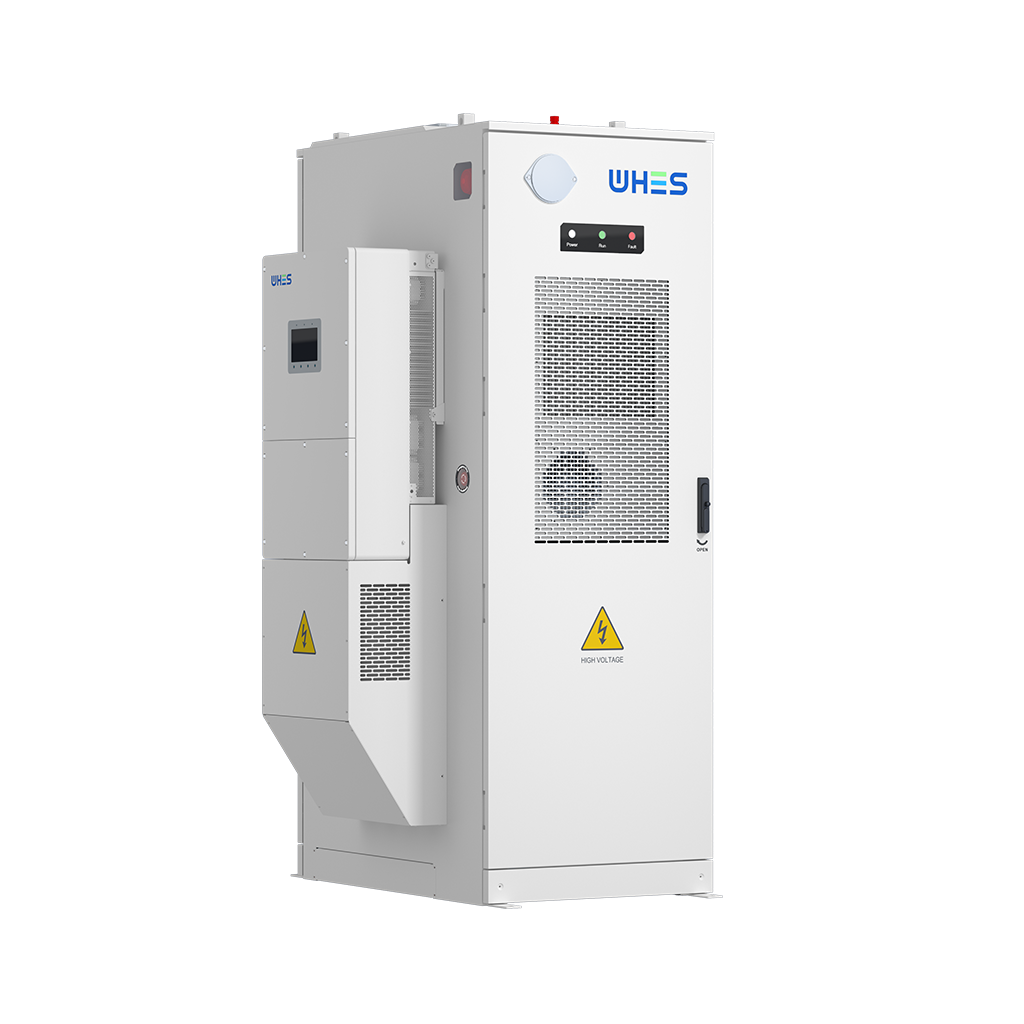
Chemistry alone won’t solve the problem. A layered approach is needed: accurate state-of-charge controls, an attentive battery management system (BMS), active thermal management like liquid cooling or forced-air channels, and enclosure design that limits solar gain. Passive insulation helps modestly, but active cooling and intelligent charge control keep cells out of danger during repeated heat events. C-rate limits and charge cutoffs, tuned to expected ambient ranges, are practical levers to preserve life while still meeting operational goals.
Real-world anchor: lessons from extreme events
The February 2021 Texas grid crisis highlighted how environmental extremes expose weak links across the energy chain — equipment designed for nominal conditions may fail when pushed beyond them. In summer, the mirror problem occurs: sustained high ambient temperature shortens battery life and increases the probability of service interruptions. Operators learned to treat thermal risk as an operational parameter, not a hypothetical — planning for extreme heat became as important as planning for storms or supply delays.
Trade-offs you’ll face when specifying systems
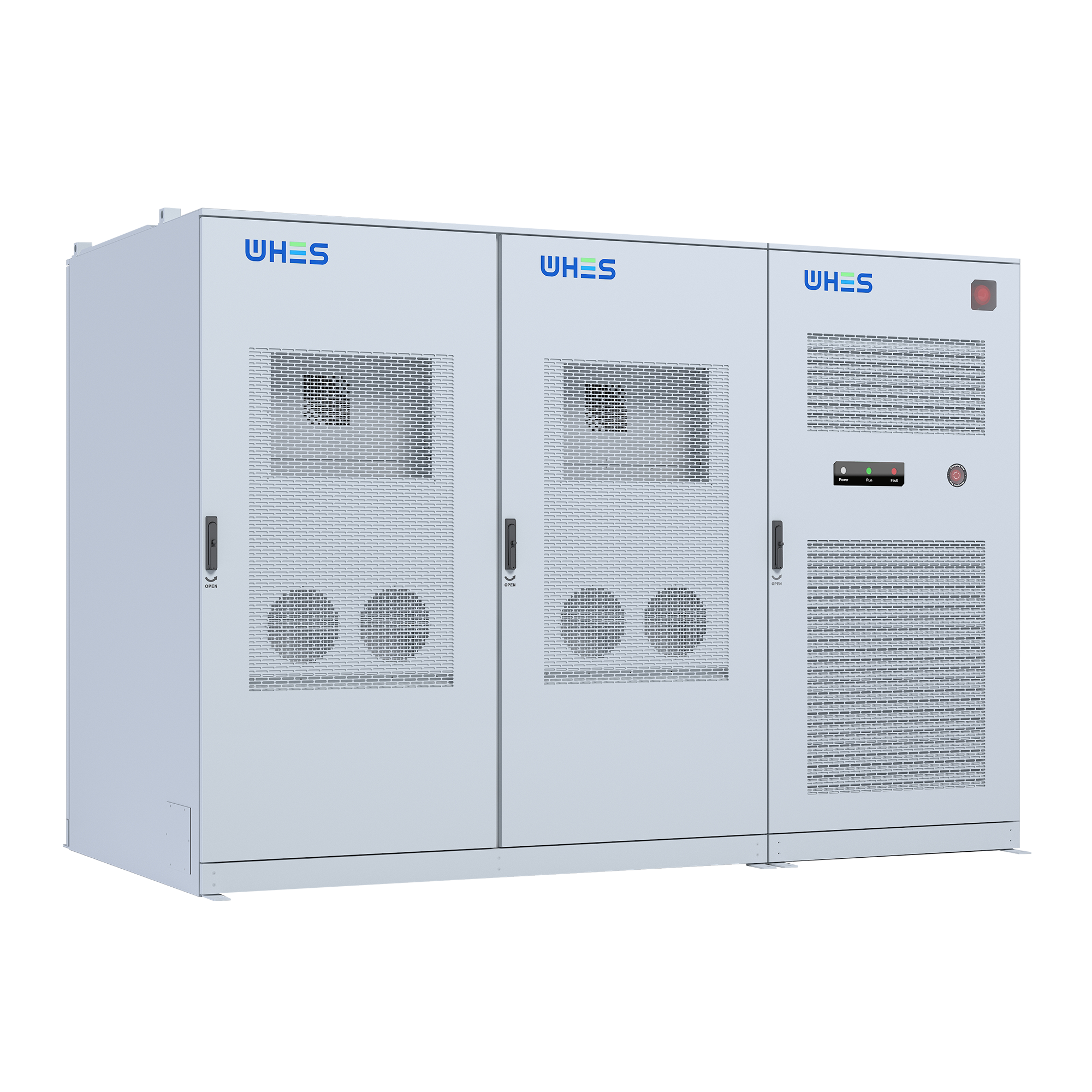
There’s always a balance: choosing LFP for temperature resilience may require slightly more rack space for the same energy, while NMC lets you pack more energy into less room but needs more robust cooling and stricter BMS algorithms. Budget limits often tempt teams to under-spec thermal management — a mistake that shows up as unexpected capacity fade and elevated maintenance. Also watch for assumptions about installation environment; rooftop systems see more radiant heating than ground-level installations, which changes the cooling strategy — simple oversight, costly consequence.
Common mistakes and practical fixes
Teams commonly underappreciate three points: realistic heat loads, BMS granularity, and protocol for high-temperature derating. Don’t assume a generic temperature derating curve will suit your project — test with representative state-of-charge ranges and duty cycles. A well-configured BMS should intervene before cell temperatures reach irreversible zones, and thermal design should give the BMS the time to act. Finally, validate on-site: a factory acceptance test rarely replicates a summer rooftop at noon — so run thermal soak tests under expected ambient profiles.
How to evaluate suppliers and systems
When you compare vendors, ask for documented cell-aging data at elevated temperatures, BMS behavior charts showing intervention thresholds, and enclosure thermal models. Look for systems that provide both chemistry options and adaptable thermal strategies — sometimes called hybrid thermal management. Also request references from similar climate zones; a unit that thrives in Northern Europe may not fare the same in Phoenix. For procurement, consider integrated offers that bundle site assessment, thermal engineering, and long-term performance warranties from experienced providers of commercial battery storage systems.
Design checklist — avoid these procurement pitfalls
Use this quick checklist during spec and tender phases:
- Require cell-aging curves at +40°C and +55°C.
- Verify BMS thermal thresholds and automated derating logic.
- Insist on on-site thermal acceptance tests under representative solar load.
- Confirm maintainability of cooling systems and spare-parts timelines.
These items turn vague promises into verifiable performance — and protect your capital investment over the system lifecycle.
Three golden rules for choosing resilient systems (Advisory)
1) Insist on temperature-specific performance data: prioritize vendors who provide measured cycle-life and capacity retention at the ambient extremes relevant to your site. Without that, risk profiles are guesses. 2) Demand active, tested thermal controls tied to a smart BMS: the BMS should not only monitor but also execute derating and cooling strategies automatically. 3) Evaluate total lifecycle cost with heat-driven degradation factored in: account for accelerated replacement risk, service interventions, and energy losses from cooling when comparing capital costs.
Practical adherence to these rules steers procurement toward systems that survive and deliver — and that’s exactly where experienced providers add value. WHES brings applied design, field-proven BMS integration, and climate-aware warranties into projects as a natural outcome of that thinking.
— resilient design wins.