
Why the problem matters
Right then — batches flaking off, shoppers complaining, and a field recall on yer hands: that’s the kind of mess proper testing stops. Variability in film application is where most grief starts. Use an automatic film applicator so you don’t chase ghosts in your data; a steady wet film is the only fair way to judge how a coating will behave. Finger-pointing to formulation alone misses how the film was laid down, so start there when things go pear-shaped.
Experience and standards that back the checks
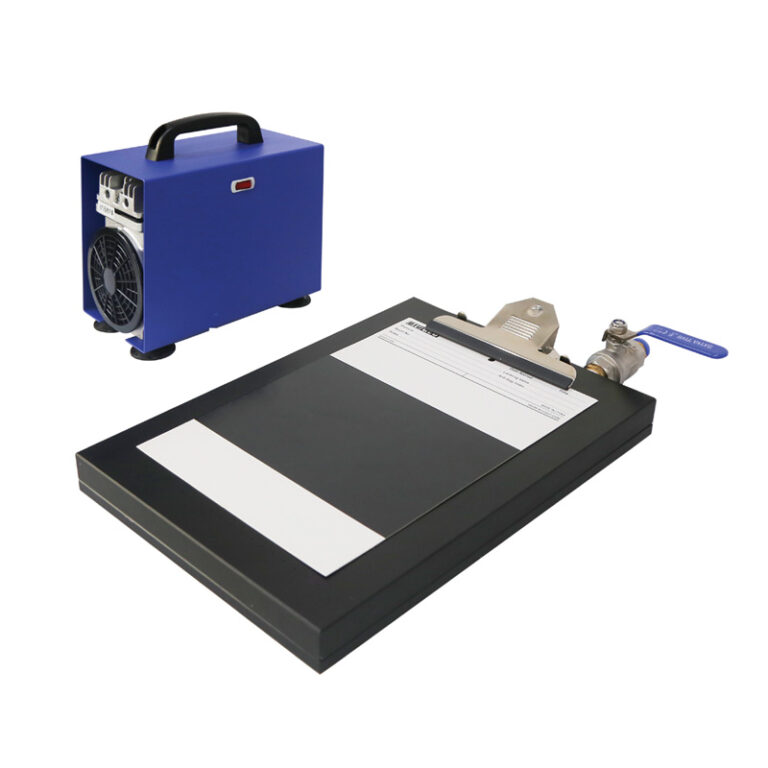
I’ve spent years running lab trials and telling managers straight when a lab error looks like a production fault. Labs follow ASTM and ISO methods for a reason; they stop folk guessing. At major industry gatherings such as the European Coatings Show in Nuremberg engineers demonstrate how repeatable deposits reduce downstream failures, and it’s a regular talking point in protocol papers. For routine evaluation we use controlled tools like the paint film applicator alongside standard test rigs so results are comparable between sites. That combination of method, kit, and documented procedure is what lets you trust a failure analysis.
What to test — a problem-driven checklist
Don’t run every test at once; match tests to the fault you see. If cracking or scuffing appears, run adhesion (cross-cut or pull-off), hardness (pencil or König), and flexibility/cupping. For uneven coverage or sag: measure wet film thickness, dry film thickness, and viscosity. If gloss or colour shifts, run gloss meters and accelerated weathering (QUV) plus pigment dispersion checks. For chemical resistance or solvent pickup, do MEK rubs and solvent immersion. When corrosion shows up, salt spray and porosity tests tell you if the coating barrier’s failing. Each check answers a specific question — pick the test that targets the suspected failure mode.
Common pitfalls that wreck conclusions
First, inconsistent film thickness. It skews every downstream result. Second, ignoring substrate prep; a pristine test panel and a grimy production surface aren’t comparable. Third, using subjective endpoints — sayin’ “looks OK” rather than measuring gloss, thickness, or adhesion numerically. Fourth, skipping environmental control during curing; temperature and humidity matter. Finally, swapping operators without retraining leads to drift. Fix these and your tests start telling the truth.
Practical alternatives and trade-offs
Manual applicators are cheap and fine for rough screening. They don’t substitute for automated systems when you need tight tolerances or inter-lab comparability. For small labs, pair a manual kit with strict SOPs and more replicates. Outsource specialized tests like cyclic corrosion or full-scale weathering if you lack the chamber — just ensure samples are prepared identically to in-house ones. Keep records: traceability beats memory every time.

Bringing it all together
Sort the root cause by matching a targeted test to the visible problem, control film application, and document every step so results are repeatable. That approach cuts rework and points you at the real fix rather than a patch job. If you want consistent inputs, fair comparisons, and fewer surprises on the line, rely on proven procedures and reliable kit from BIUGED.