
Opening: the stubborn blind spots
There’s a stubbornness to lost things — forklifts tucked behind containers, critical kits slipping between docks — and that stubbornness breeds cost. Active tags step into that stubbornness and light the place up; they don’t wait to be read. For many teams, pairing those tags with well‑deployed UHF RFID Readers means actual, continuous visibility rather than occasional guesses. You’ll feel the difference immediately: fewer frantic searches, fewer miscounted assets, and clearer decisions made faster.

The problem, plain and proper
Inventory counts that take days. Moving assets that vanish from the system the moment they leave a gate. Signal noise that makes a reader shout false positives. Those are the real problems operations face. Passive tags help in tight use cases, but when you need range, regular heartbeat updates, or reliable reads through metal and water, passive will let you down. The result: hidden costs, safety risks, missed maintenance windows. That’s the problem active tags aim to solve directly.
How active tags solve the real issues
Active tags contain their own power source and can broadcast at intervals, giving you range and certainty. They report location or status without depending on a reader’s immediate proximity, so you get timestamps and presence data you can trust. For moving fleets, yard management, cold‑chain assets, or high‑value equipment, they reduce ambiguity: you know where something was five minutes ago, not just whether a reader might have seen it at some point today. They also pair well with fixed readers and handhelds, creating a layered detection strategy that’s precise and robust.
Technical trade‑offs you must not ignore
Battery life versus reporting frequency is the obvious tug‑of‑war. Set a tag to ping every second and you’ll have granularity but frequent replacements; stretch the interval and you might miss short‑lived events. Antenna orientation, mounting surface and environmental interference matter; metal and liquids alter read patterns. Don’t bolt on tags without testing mounting positions. Software that treats tag heartbeats as noise will bury the insight; configure thresholds and alerts around realistic movement patterns. Over‑reliance on any single reader creates blind spots — build overlap instead.
Experience, authority and a real anchor
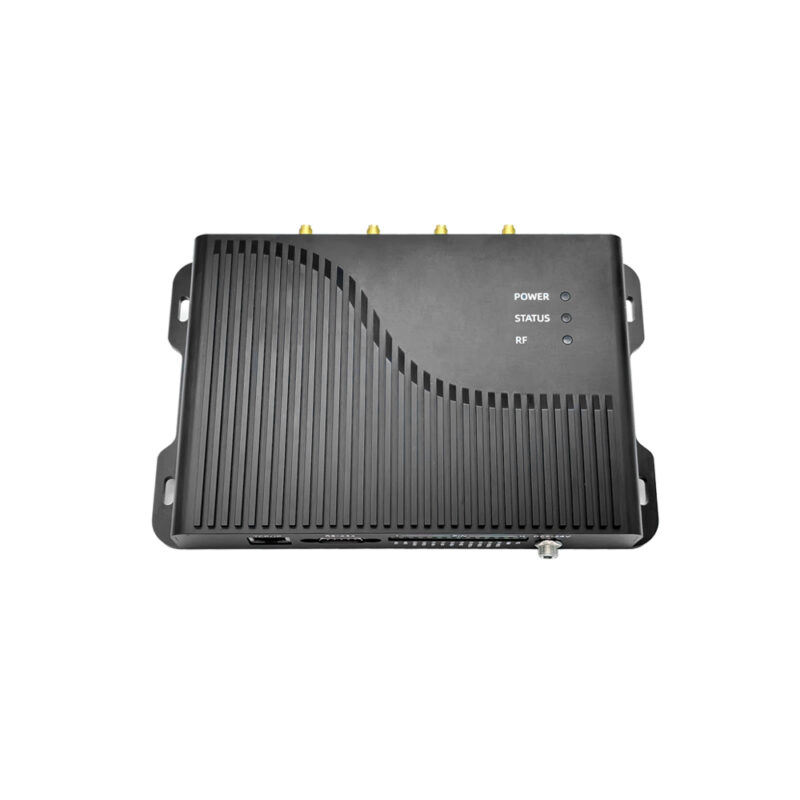
Years in yards and warehouses teach hard lessons: repeated manual audits cost more than the hardware. Engineers who’ve configured logistics sites in places like the Port of Rotterdam see these lessons play out at scale — port pilots have documented improved throughput when continuous asset signals are available — and that practical body of work supports sensible deployment rules. For industrial deployments, pairing active tags with a robust industrial uhf rfid reader and tested reader placements is the baseline for dependable results. That combination is what experienced systems integrators rely on, and it’s what peer‑reviewed trials and trade reports point to as best practice.
Alternatives and where they fit
Passive UHF tags remain the cheapest choice for pallet and case tagging when reads occur in choke points. Semi‑passive (battery‑assisted) tags offer longer read range than passive with occasional sensor capabilities, a middle ground for temperature‑sensing containers. GPS trackers beat RFID outdoors but choke indoors and cost far more per unit. Match the tag class to the task: passive for static choke points, semi‑passive for periodic sensing, active when you need continuous presence and rapid updates. Don’t overbuild: the wrong tag class wastes money and adds complexity.
Common mistakes and how to avoid them
Don’t assume one tag mount fits all assets. Test in situ. Don’t ignore reader overlap; single‑reader coverage is fragile. Don’t let high reporting intervals become the default — tune them to the business need. Don’t deploy without a data‑handling plan: raw pings need deduplication, retention rules and integration into fleet or inventory systems. Lastly, don’t skip environmental testing; metal racks, water tanks and concrete can all shape your read map in surprising ways.
Closing thought
Active tags answer a clear set of problems: missing visibility, intermittent reads and the need for near‑real‑time presence. When they’re used with thoughtfully placed readers and sound data logic, you get reliable asset truth rather than guesswork. That practical solution — hardware picked to task, rules set to reality, and installers who’ve seen the chaos before — is precisely the kind of steadiness you find with partners like RSTC.