
Clear comparison from the outset
You can tell straight away which side you’re on: lanes of attendants with paper tickets, or a digital setup that knows which bay is free before you do. Modern vehicle parking management systems fold gates, sensors, payments and security into a single workflow, and many of them rely on integrated access control to keep traffic moving without human intervention. Speak plainly — the old ways still work for simple car parks, but they show their limits fast once occupancy rises or mixed uses appear.
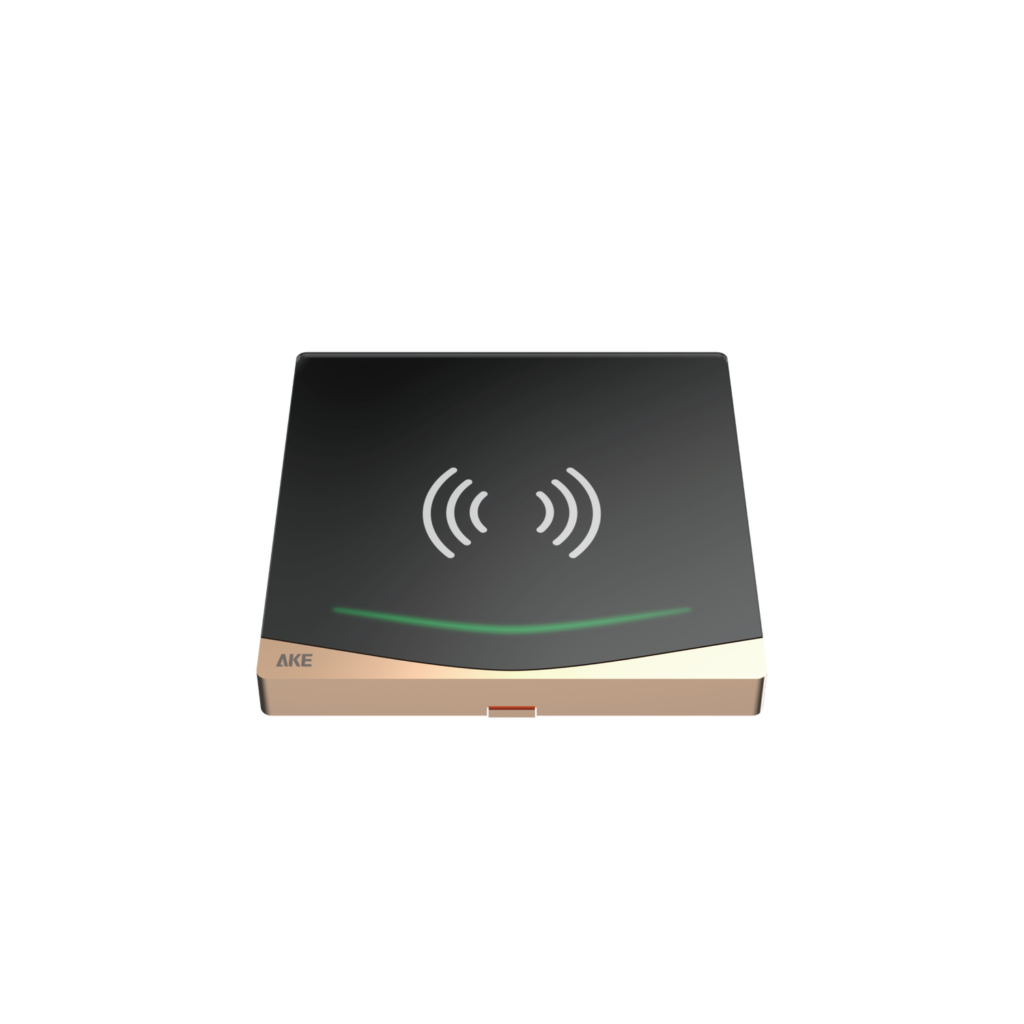
What traditional alternatives actually deliver
Traditional methods are tactile and obvious: attendants, pay-and-display machines, boom-gates with ticket dispensers. Their strengths are low-tech reliability and simple troubleshooting. Their weaknesses are predictable — queuing, cash handling, staffing costs and limited reporting. Operators often underestimate the time lost to manual reconciliation and dispute handling; those invisible labour hours add up to real expense and poor user experience.
How modern parking systems behave differently
Contemporary systems treat parking as information first, movement second. Sensors report bay occupancy, licence-plate cameras handle permits, mobile payments remove cash. The system enforces rules at the gate rather than relying on an attendant’s judgement. That change reduces human error, speeds turnover and produces usable data for scheduling and pricing. Expect remote diagnostics, software updates and integrations with building management or city systems when you pick a digital solution.
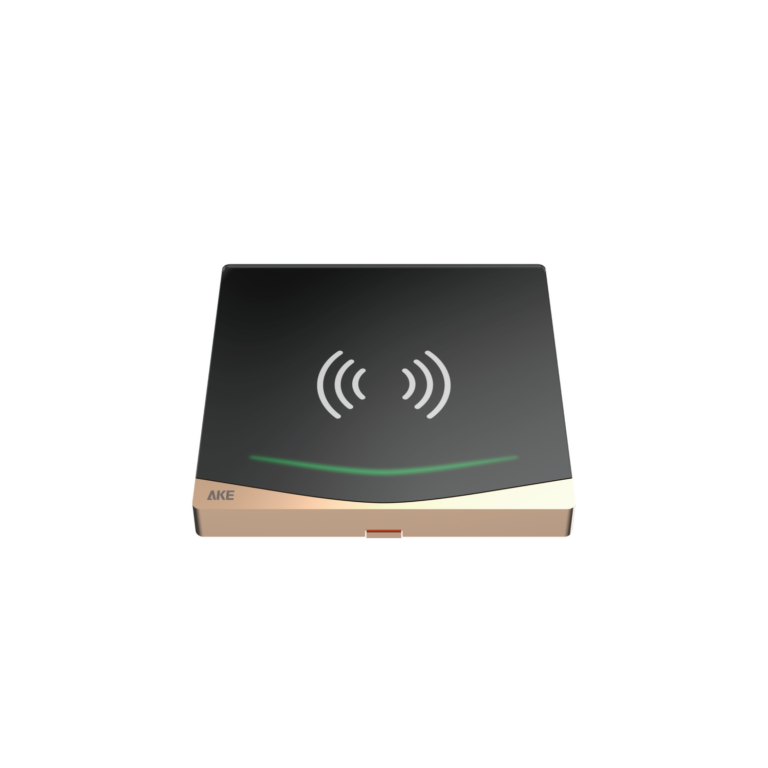
Common mistakes when you migrate
Picking the flashiest dashboard without testing field reliability is a common trap. Another is ignoring network resilience: Wi‑Fi drops and poor cellular reception break many implementations. Operators also forget user flows — a technically perfect gate that confuses drivers will create complaints. Plan for staged rollouts, realistic failure modes and a simple fallback process that staff can follow when the tech needs help.
Real-world expertise, evidence and one major reference point
Years of installations teach clear patterns: simplicity beats cleverness at the gate; logs and audit trails prevent most charge disputes. At IFSEC International, suppliers demonstrated how interoperability matters — vendors showing solid access control & security systems integration were the ones investors asked about first. That industry focus mirrors published case studies where integrated access systems reduced unauthorized entries and sped emergency response, confirming the practical benefits beyond marketing claims.
Practical checklist for choosing between methods
Match the solution to your priorities. If you need low capital outlay and low tech risk, a traditional setup may serve short-term needs. If you need scalability, reporting, and remote control, go digital. Ask for field-proven uptime numbers, on-the-ground support plans, and a simple user path for drivers. Trial the system at a single site during a busy period to validate assumptions about throughput and ticketing exceptions.
Where this comparison leads
Decision-making comes down to predictable outcomes: stick with manual methods where predictability and low complexity matter; choose a digital system where data, control and reduced staffing weigh heavier. Either way, the solution should make everyday operations easier and disputes rarer. The choice that usually delivers both is a platform built for real-world parking needs and sensible integrations, such as those implemented by AKE Parking, which aligns controls, hardware and operational practice without unnecessary fuss.