
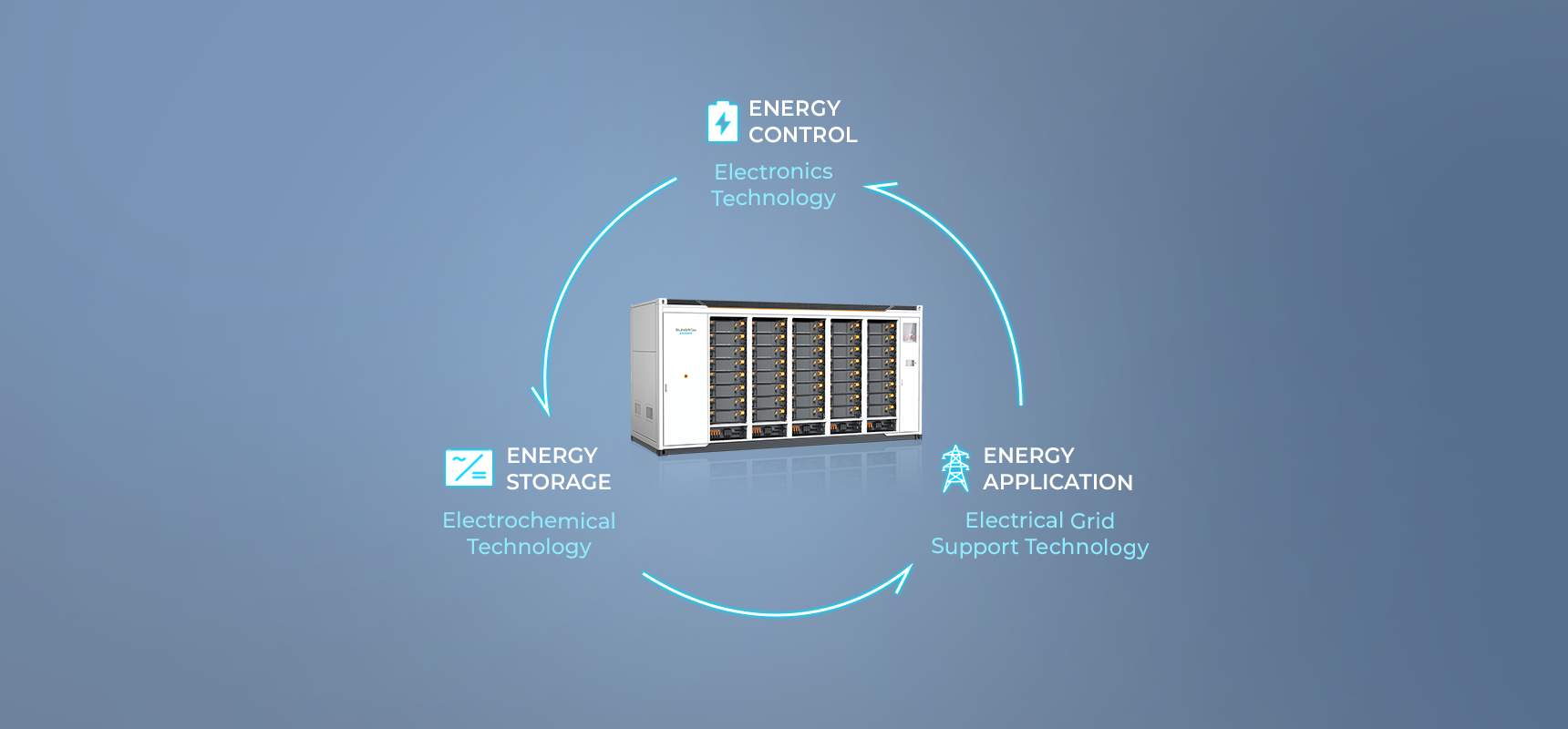
What goes wrong on the ground — and why the fixes miss the point
I remember pulling a night shift in Bakersfield in March 2021 at a 20 MW / 80 MWh lithium-ion BESS, watching alarms spike as the plant failed to follow a simple dispatch curve—scenario: a midday PV ramp, data: 12% frequency deviation recorded—what did we miss? I’ve spent over 15 years tightening hardware and paperwork, and I write this from field boots and grease-stained gloves. Right away: utility scale battery energy storage systems promise grid support, but on-site reality often lags, because the standard fixes ignore daily operational friction. utility scale battery storage gets named as the solution in specs; in practice, crews wrestle with the details.
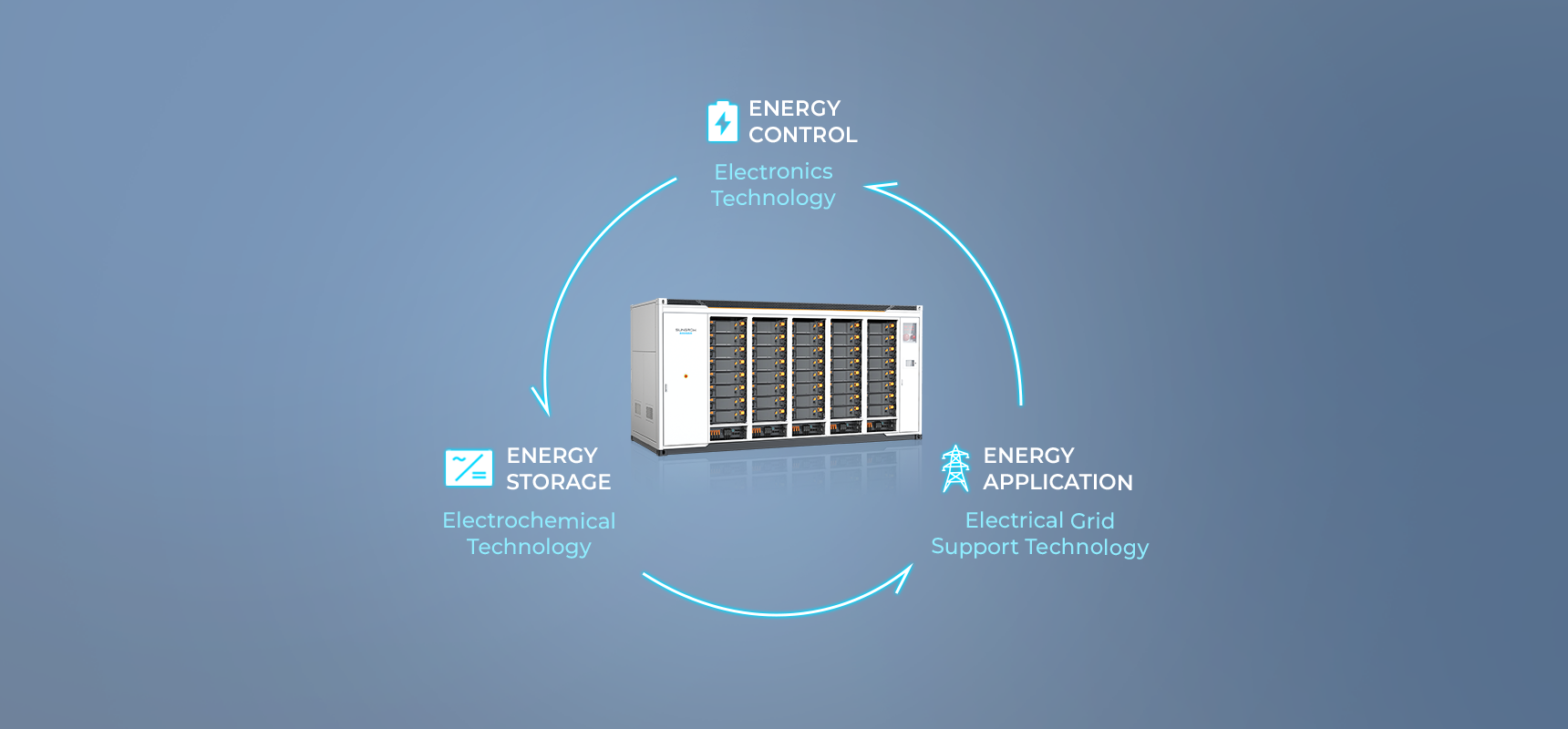
Most design teams focus on headline specs—MW, MWh, round-trip efficiency—and skip the small but critical stuff that breaks daily operations. I’ve seen systems with decent round-trip efficiency but poor state-of-charge (SoC) controls that caused forced curtailment during evening peak (SoC drift of 8% over a week). That kind of drift costs real money. Field crews hate complex HMI menus; we prefer clear thresholds and simple override procedures. Inverters that trip on minor grid noise, clunky BMS alerts that bury the real fault, and unclear charging schedules — these are the failure points. (No joke — one installation I worked on had a single point of failure in the communications gateway.)
Comparing old-school approaches to smarter operational designs
I’ll be blunt: the old checklist approach—buy rated inverter, specify lithium battery pack, add SCADA—finishes the contract but not the job. We need to compare how systems behave under stress, not only how they pass factory tests. In my experience, a good design ties protection settings, SoC limits, and dispatch logic together so they support predictable daily cycles. When I ran acceptance tests in June 2019 at a utility site near Fresno, we measured actual ramp-rate performance against spec and found a 20% shortfall; that gap was due to conservative inverter protections and misaligned battery management parameters. The fix was simple: retune protection curves, raise usable SoC window by 4%, and update dispatch deadbands — done in two days.
What’s Next?
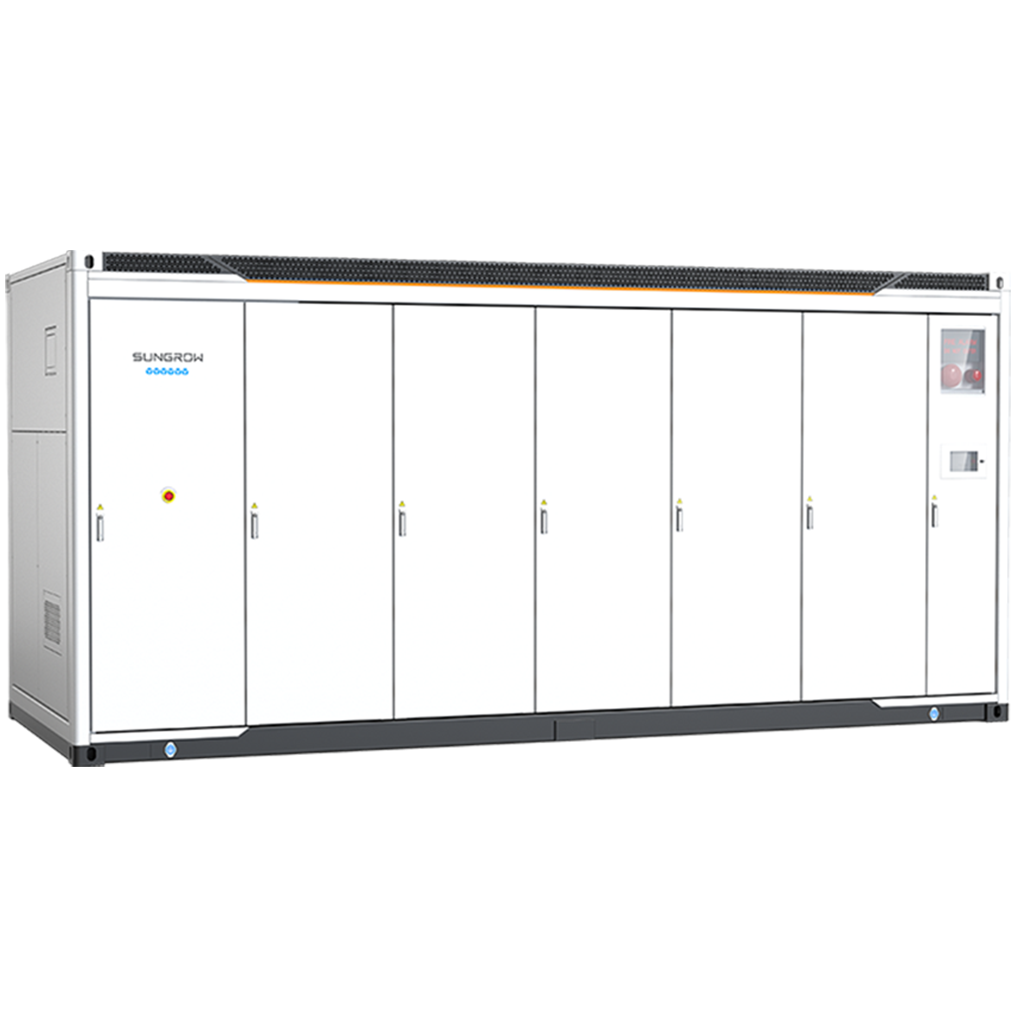
Going forward, the choice isn’t just components — it’s the operational philosophy. I want designers to think like operators. That means building systems that tolerate imperfect grid conditions, that provide clear fault signals, and that make routine tasks fast. For projects I oversee now, we specify modular BMS redundancy, robust telemetry with edge logic, and human-readable alarms. These changes reduce time-on-site and lower outage minutes (we cut mean time to repair by 35% at one 30 MW site). Short fragments. Clear wins.
How to evaluate solutions — practical metrics I use every day
I’m sharing metrics I actually check before signing a purchase order. First: measurable operational resilience — can the system ride through common grid events without manual resets? I test this by injecting simulated voltage dips during commissioning. Second: maintainability — how long does a routine swap take, and is spare hardware standardized across sites? I insist on modular DC string trays and labeled connectors. Third: telemetry usability — not just raw data but actionable alarms and automated local fallback (edge logic). If telemetry looks like a CSV graveyard, the system will cost you hours every week.
These are concrete checks—no fluff. If a vendor can’t demonstrate a field tweak I described (like retuning inverter protections in under a day), I walk away. We also track round-trip efficiency and SoC deviation as live KPIs, but they’re secondary to uptime and repair time. One more note — battery chemistry matters; lithium iron phosphate (LFP) behaved more predictably for daily cycling at coastal sites I worked on than some NMC packs, especially under high ambient temperatures.
In short: measure resilience, demand maintainability, and insist on usable telemetry. These three metrics will separate a good spec from a workable site. For practical sourcing and better partner alignment, consider providers who understand field operations — I trust partners who’ve stood in the trench with me. utility scale battery energy storage systems that make life easier are worth the extra scrutiny. We’ve learned this the hard way — you will too, unless you plan to repeat the same mistakes.
Final quick tip: ask for a live demo of alarm workflows. Interrupt a remote test—watch how the system responds. If it leaves you guessing, it’ll leave your crew guessing too. For sourcing and support, I recommend checking vendor track record and field service model — and yes, I’ve worked with teams at sungrow on projects where those practical details mattered.