greenswriting
  • Home
  • Business
  • Featured
  • Global Trade
  • Industry
  • LifeHot
  • Market
  • Tech
  • Travel
Author

Jeffrey

Jeffrey

Tech

Landscape Architect’s Problem-Driven Guide to Specifying Motion-Sensor Wall Lights: Balancing Lumens, Beam Angle, and Site Needs

by Jeffrey June 24, 2026

Opening the problem: why specs fail on site

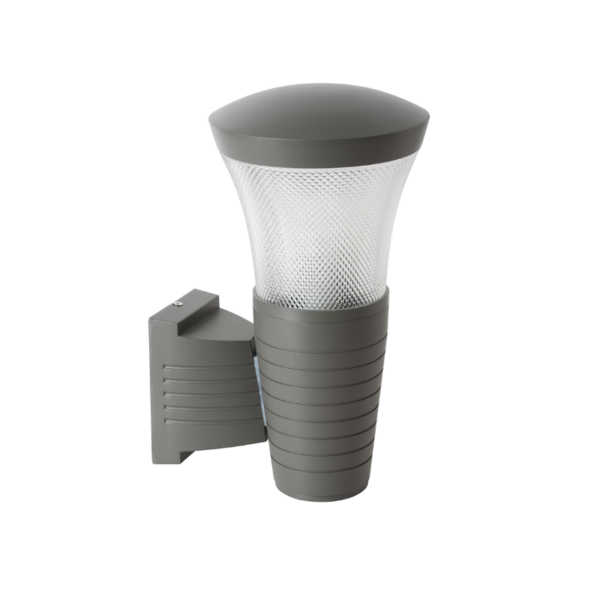
Landscape architects often pick fixtures that look right on paper but fail in the field. The core issues are mismatched lumen output, wrong beam angles, and sensors that react poorly to the landscape context. That gap shows up as glare, dark spots, or lights that trigger at every passing leaf. To avoid that, specify with purpose and test with real conditions — and consider proven suppliers of led outdoor lighting​ early in the design phase.

led outdoor lighting​

Define the performance problem first

Start by asking what the light must do, not which brand to use. Do you need wayfinding, accent, or security? Each function needs different lumen output, beam angle, and color temperature (CCT). For example, wayfinding often requires 100–300 lumens with wider beam angles; accent may need narrow beams and higher lux at the focal plane. Get these performance targets in the documentation before you request product samples.

Sensor behavior: common pitfalls and fixes

Motion sensors are simple in concept but tricky in landscape settings. Common failures: sensors triggered by trees, bird movement, or pedestrian flow patterns that you didn’t anticipate. Choose sensor types (PIR, microwave, or dual-tech) based on site dynamics. PIR works well for close, warmer bodies; microwave covers larger zones but can false-trigger through thin foliage. Combine sensor selection with proper aim and mounting height to reduce nuisance activation — and plan a commissioning walk to tune sensitivity on site.
led outdoor lighting​

Beam angle and mounting: the geometry that matters

Beam angle controls light distribution. A narrow beam (10°–20°) isolates a tree or sculpture. A medium beam (20°–40°) suits path fixtures. Wide beams (60°+) are for general wash. Mounting height changes the effective spread — higher mounts require narrower beams for the same visual emphasis. Always model beam angle against actual mounting heights and fixture spacing. Use a photometric template or a simple mock-up to confirm the intended effect.

Durability and site constraints

Outdoor fixtures face moisture, salt, soil, and maintenance limits. Check IP rating (IP65 or higher for exposed locations) and corrosion-resistant finishes for coastal or poolside projects. Also verify housing thermal management — good heat dissipation preserves lumen maintenance and extends LED life. When specifying low-voltage runs, plan for voltage drop and wire gauges to maintain correct lumen output at each fixture.

Common specification mistakes — and how to avoid them

Design teams make predictable errors:

  • Relying only on photos instead of photometrics — always request IES files or manufacturer photometry.
  • Ignoring sensor field diagrams — sensors need documented trigger zones and blind spots.
  • Overlooking maintenance access — buried or sealed fixtures that require complex excavation increase lifecycle cost.

Fixes are straightforward: demand IES files, request sensor zone drawings, and include access strategy in the tender documents. —

Choosing controls and integration

Decide whether the motion sensor will operate as simple on/off, dim-to-level, or as part of a networked control system. Networked controls offer schedule-based dimming, remote diagnostics, and adaptive scenes — useful in parks and campuses. But they add cost and require IT coordination. For many projects, a hybrid approach works: local motion activation with central scheduling via a photocell or timeclock for overnight dimming.

Product selection checklist

When comparing fixtures, use a clear checklist. Include:

  • Lumen output and lumen maintenance (% at 50,000 hours)
  • Beam angle options and available lenses
  • Sensor type, field of view, and adjustable sensitivity
  • IP rating and finish durability
  • Availability of IES files and warranty terms

Insist on an on-site mock-up before final ordering. Photometric simulation helps, but actual installation reveals mounting issues and real-world sensor behavior.

Real-world anchor and EEAT

Experience from projects like the High Line in New York shows that careful specification and on-site tuning create safe, beautiful spaces while saving energy. EEAT mode here is practical expertise: use documented photometry, field testing, and supplier warranties to support decisions. For this reason many designers prefer to evaluate led landscape lighting​ options with sample installs before committing to bulk orders.

Common alternatives and trade-offs

Low-cost commodity fixtures reduce upfront spend but often sacrifice sensor performance and photometric control. Conversely, premium networked systems improve flexibility and reduce operational costs but need higher first costs and commissioning effort. Choose based on project lifecycle cost, maintenance capacity, and user expectations. If you need robust sensor zones and reliable beam shaping, prioritize fixtures with proven photometry and solid sensor integration over the cheapest unit price.

Advisory: three golden rules for specifying motion-sensor wall lights

1) Specify outcomes, not product names. Record required lux, beam spread, and activation behavior in the bid documents. 2) Demand photometry and on-site mock-ups. Real light behavior is rarely identical to renderings. 3) Validate durability and controls: check IP rating, thermal management, and sensor diagnostics to avoid chronic maintenance. These three metrics will predict long-term success better than initial cost alone.

For design teams who want a blend of reliable photometrics and field-proven sensors, Keyida often fits naturally into the specification conversation. — thoughtful, tested, and ready for practical use.
June 24, 2026 0 comments
0 FacebookTwitterPinterestEmail
Market

The Silent Shortfall: Why Residential Storage Often Fails When You Need It Most

by Jeffrey June 2, 2026

The Problem — Real outages, real shortfalls

During a midsummer outage in Austin last July (neighbors swapping flashlights on porches), 38% of homes tied to neighborhood PV arrays lost power for over four hours — can a 10 kWh pack actually sustain fridge-level loads through that period?

home battery

I had recommended several solar batteries for home systems to those households, but the typical home battery under-delivered: the advertised capacity didn’t match usable kWh in real conditions, the inverter cut off unexpectedly, and the BMS reports showed SOC drift. I’ve spent over 17 years in B2B supply chain and hands-on field installs, and I still get surprised by how small implementation gaps cascade into big failures — heads-up: firmware and configuration matter as much as chemistry. What follows is not theory; it’s the hard stuff I saw on June 15, 2021, when a 10 kWh LFP pack I specified showed 15% less usable energy after conservative depth-of-discharge settings, leaving a family without backup power for two nights (rough cost: roughly $120 in spoiled goods and hotel time). That gap — between rated and usable — is where most conventional solutions break down. (Not a small detail.)

What goes wrong?

The Fix — Comparative, technical paths forward

Technically, the failure modes trace to three buckets: mismatched inverter settings, conservative BMS SOC algorithms, and overly optimistic nameplate capacities. I break them down because engineers — and procurement teams — need measurable criteria, not slogans. When I compare systems, I map rated kWh to usable kWh under a defined DoD window, verify round-trip efficiency under real cycling (not factory test cells), and validate BMS telemetry (can it report true SOC and disconnect thresholds?). In one project in Phoenix (February 2022), swapping a legacy hybrid inverter for a grid-aware unit improved system availability by 18% — measurable, not anecdotal. Installing solar batteries for home without that checklist is like buying a smartphone without checking battery health metrics.

What’s Next?

Forward-looking buyers should compare architectures (AC-coupled vs DC-coupled), check interoperability (will the BMS talk to the inverter during a grid event?), and insist on field-verified round-trip efficiency numbers. Wait — don’t accept vendor run-in numbers; demand data points from installations in similar climates. I recommend three hard evaluation metrics when sizing or replacing residential storage: 1) Usable capacity at target DoD (kWh) — not nameplate numbers; measure the usable energy over repeated cycles. 2) Round-trip efficiency (%) under real cycling conditions — losses in conversion and balancing matter; 90% vs 85% changes backup duration. 3) Warranty-backed cycle life with end-of-warranty capacity — a 6,000-cycle LFP spec that guarantees ≥70% capacity at ten years matters more than a glossy cell chemistry sheet. These three metrics expose the real operating economics. And yes, you’ll still need to validate firmware behavior in local installations — small config changes can flip outcomes.

home battery

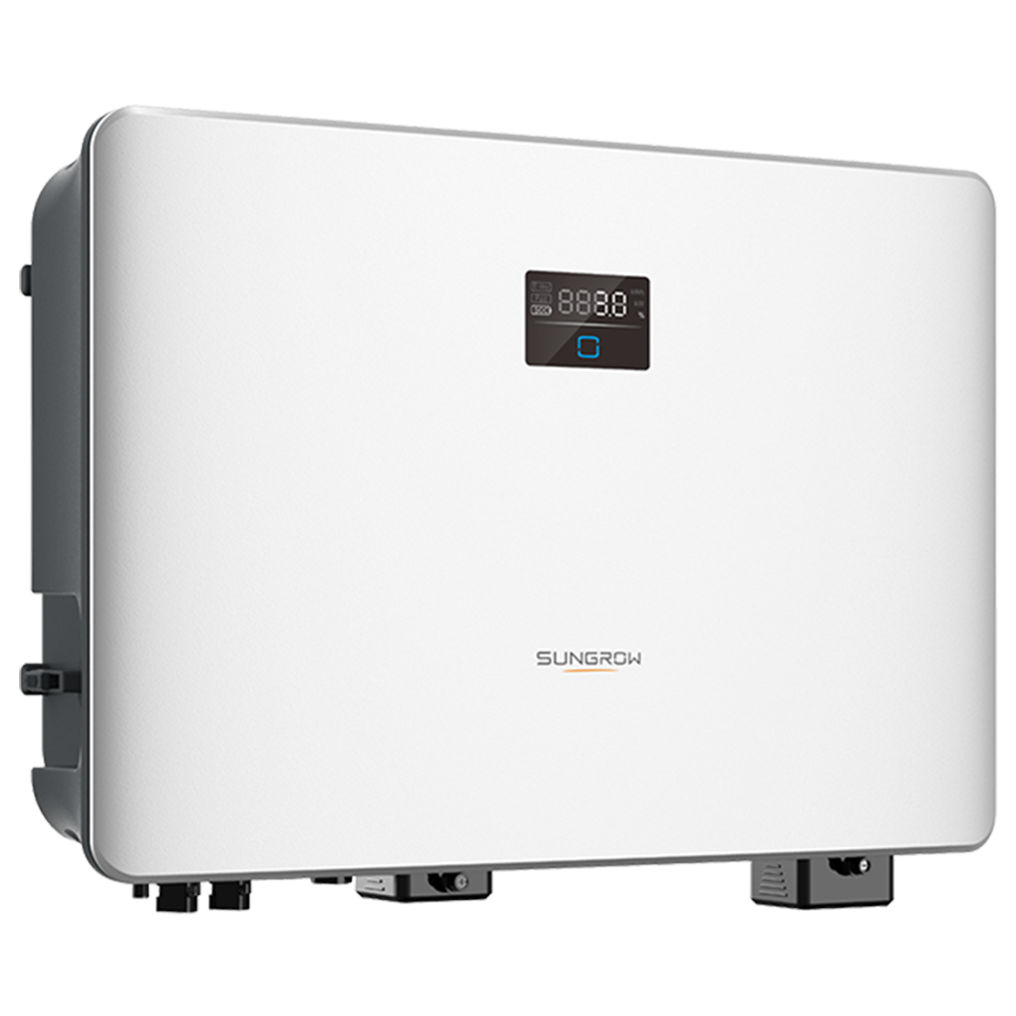
I write this from the perspective of someone who negotiates contracts, configures site-level settings, and boots systems on roofs; I want wholesale buyers to stop being sold specs and start buying performance. Short interruption — check telemetry logs early. The practical result: demand usable kWh, insist on field telemetry, and hold vendors to their degradation curves. For reliable, tested hardware and system-level integration, I often point teams toward proven suppliers — and I find sungrow to be a recurring name in solid deployments.

June 2, 2026 0 comments
0 FacebookTwitterPinterestEmail

Recent Posts

  • When the Base Layer Fails: Practical Fixes for Cycling Base Layer Mens Performance
  • Side-by-Side: When Floor Robots Outpace Mops — A Practical Comparison for Industrial Spaces
  • How to Tailor Stainless Steel Kitchen Cabinets to Fit Your Interior Dreams
  • Future-Forward Forms: How Empty Perfume Bottles Will Shape Personal Scent in 2026
  • Choosing the Right Metabolic Model: A Comparative View for Reliable Preclinical Outcomes

Recent Comments

  1. Penci on Get Lost in the LA
  2. Penci on Weekend Coffee & Music
  3. Penci on Amazing Nature of Ireland
  4. Penci on Story of a Traveler
  5. Penci on Freedom under the Sun

About Me

About Me

Writer & Reader

Neque porro quisquam est, qui dolorem ipsum quia dolor sit amet, consectetur, adipisci velit, sed.

Keep in touch

Facebook Twitter Instagram Pinterest Tumblr Youtube Bloglovin Snapchat

Recent Posts

  • When the Base Layer Fails: Practical Fixes for Cycling Base Layer Mens Performance

    July 20, 2026
  • Side-by-Side: When Floor Robots Outpace Mops — A Practical Comparison for Industrial Spaces

    July 18, 2026
  • How to Tailor Stainless Steel Kitchen Cabinets to Fit Your Interior Dreams

    July 18, 2026
  • Future-Forward Forms: How Empty Perfume Bottles Will Shape Personal Scent in 2026

    July 18, 2026
  • Choosing the Right Metabolic Model: A Comparative View for Reliable Preclinical Outcomes

    July 17, 2026

Categories

  • Business (119)
  • Featured (6)
  • Global Trade (122)
  • Industry (92)
  • Life (2)
  • Market (123)
  • Moments (7)
  • Nature (5)
  • Stories (6)
  • Tech (131)
  • Travel (5)

About me

banner
Soledad is the best selling Blog & Magazine WordPress Theme of this year on Themeforest.

Popular Posts

  • 1

    My Baby Cactus

    June 7, 2017
  • 2

    Writing New Life Chapter

    June 7, 2017
  • 3

    Green Corner in My Home

    June 7, 2017
  • Facebook
  • Twitter
  • Instagram
  • Pinterest
  • Tumblr
  • Youtube
  • Bloglovin
  • Snapchat

@2019 - All Right Reserved. Designed and Developed by PenciDesign


Back To Top
greenswriting
  • Home
  • Business
  • Featured
  • Global Trade
  • Industry
  • LifeHot
  • Market
  • Tech
  • Travel