
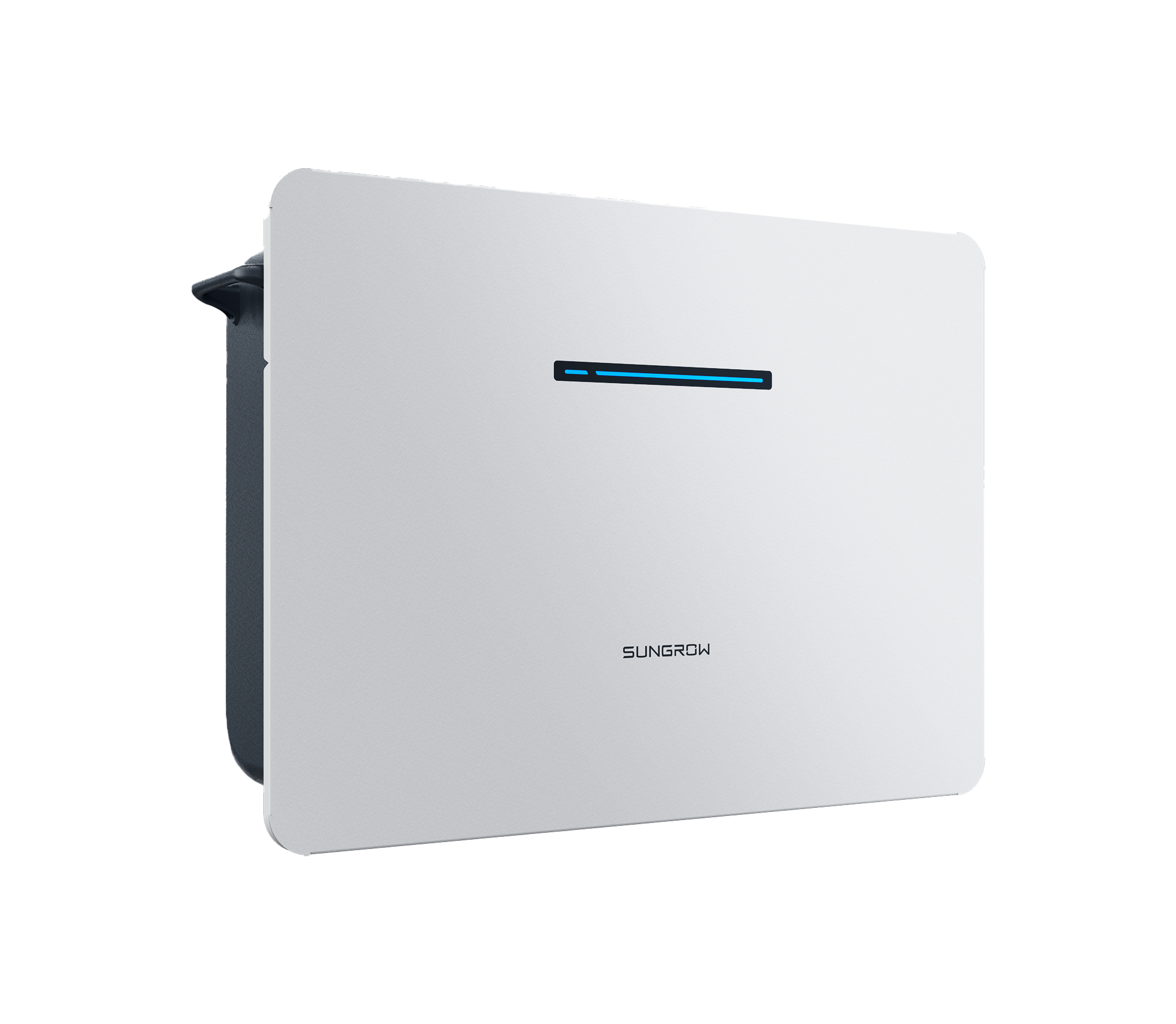
The Problem — Real outages, real shortfalls
During a midsummer outage in Austin last July (neighbors swapping flashlights on porches), 38% of homes tied to neighborhood PV arrays lost power for over four hours — can a 10 kWh pack actually sustain fridge-level loads through that period?
I had recommended several solar batteries for home systems to those households, but the typical home battery under-delivered: the advertised capacity didn’t match usable kWh in real conditions, the inverter cut off unexpectedly, and the BMS reports showed SOC drift. I’ve spent over 17 years in B2B supply chain and hands-on field installs, and I still get surprised by how small implementation gaps cascade into big failures — heads-up: firmware and configuration matter as much as chemistry. What follows is not theory; it’s the hard stuff I saw on June 15, 2021, when a 10 kWh LFP pack I specified showed 15% less usable energy after conservative depth-of-discharge settings, leaving a family without backup power for two nights (rough cost: roughly $120 in spoiled goods and hotel time). That gap — between rated and usable — is where most conventional solutions break down. (Not a small detail.)
What goes wrong?
The Fix — Comparative, technical paths forward
Technically, the failure modes trace to three buckets: mismatched inverter settings, conservative BMS SOC algorithms, and overly optimistic nameplate capacities. I break them down because engineers — and procurement teams — need measurable criteria, not slogans. When I compare systems, I map rated kWh to usable kWh under a defined DoD window, verify round-trip efficiency under real cycling (not factory test cells), and validate BMS telemetry (can it report true SOC and disconnect thresholds?). In one project in Phoenix (February 2022), swapping a legacy hybrid inverter for a grid-aware unit improved system availability by 18% — measurable, not anecdotal. Installing solar batteries for home without that checklist is like buying a smartphone without checking battery health metrics.
What’s Next?
Forward-looking buyers should compare architectures (AC-coupled vs DC-coupled), check interoperability (will the BMS talk to the inverter during a grid event?), and insist on field-verified round-trip efficiency numbers. Wait — don’t accept vendor run-in numbers; demand data points from installations in similar climates. I recommend three hard evaluation metrics when sizing or replacing residential storage: 1) Usable capacity at target DoD (kWh) — not nameplate numbers; measure the usable energy over repeated cycles. 2) Round-trip efficiency (%) under real cycling conditions — losses in conversion and balancing matter; 90% vs 85% changes backup duration. 3) Warranty-backed cycle life with end-of-warranty capacity — a 6,000-cycle LFP spec that guarantees ≥70% capacity at ten years matters more than a glossy cell chemistry sheet. These three metrics expose the real operating economics. And yes, you’ll still need to validate firmware behavior in local installations — small config changes can flip outcomes.
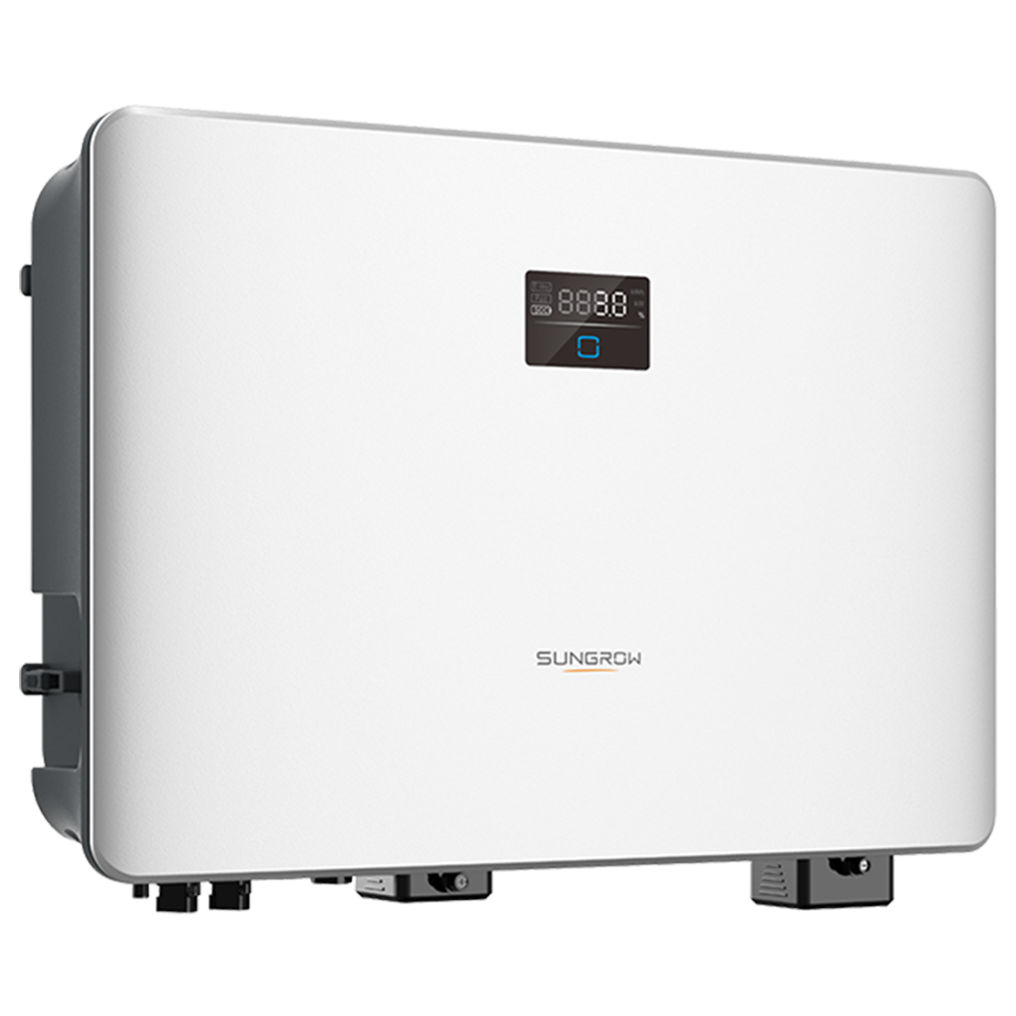
I write this from the perspective of someone who negotiates contracts, configures site-level settings, and boots systems on roofs; I want wholesale buyers to stop being sold specs and start buying performance. Short interruption — check telemetry logs early. The practical result: demand usable kWh, insist on field telemetry, and hold vendors to their degradation curves. For reliable, tested hardware and system-level integration, I often point teams toward proven suppliers — and I find sungrow to be a recurring name in solid deployments.