
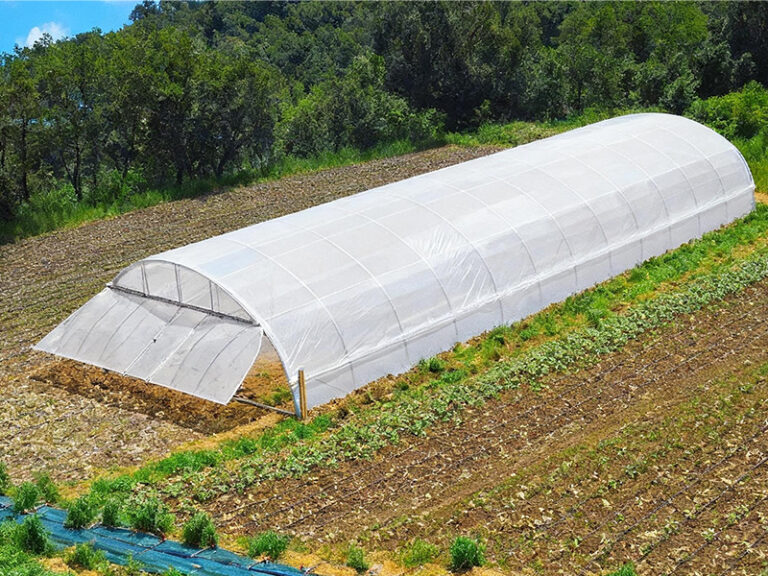
Start with a real moment
I still see it clearly: a ripped side seam on a small tomato house at dawn, 0.5 hectares exposed, and a measured 35% yield drop in the next fortnight—what exactly went wrong? That morning taught me why reinforced greenhouse film matters, because agricultural film decisions aren’t cosmetic; they decide seasons and margins (no joke).
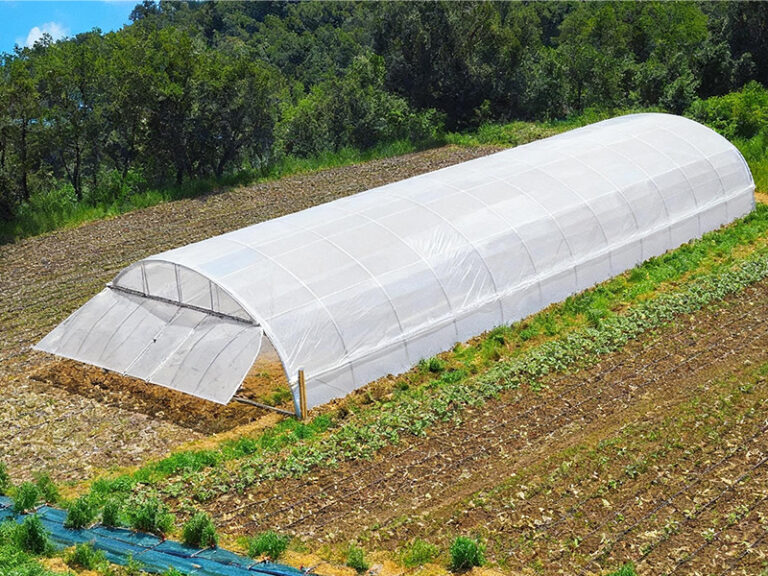
I’ve handled polyethylene rolls, compared UV-stabilization specs, and sat in procurement meetings where a $200 choice produced a $20,000 difference in harvest value. I speak from over 15 years in B2B supply chain for greenhouse projects—Almería, Spain in March 2018 is one specific memory: we installed a 200-micron reinforced cover on a 0.5-ha tunnel and extended the tomato harvest window by 28% that year. These hard figures show the gap between common practice and resilient design.

Why standard films fail: peeling back the surface problems
I’ve learned that failure rarely looks dramatic at first. The usual culprits are thin gauge films, poor tensile strength at welds, and inadequate condensation management that creates micro-abrasion over months. I watched a 120-micron single-layer film degrade under wind stress—small tears multiplied—so yes, tear propagation matters. We call this fatigue; growers call it lost nights of perfect temperature control. My hands-on fixes included reinforcing edges and upgrading to films with embedded scrim to stop seam runs. That scrim (a woven polyester layer) changed the game for one client in Murcia; it held through a storm that blew off neighboring covers.
Beyond materials, hidden user pain points hide in operations: crews struggle with heavy rolls, installers cut corners when film slips (human error), and maintenance schedules are often unrealistic. I remember training a team in 2019 who routinely skipped tension checks—result: early wrinkles that reduced light transmission by measurable percentages. The fix was procedural and product-based: better roll handling tools plus a spec that balanced light transmission and UV resistance. These are practical, not theoretical, adjustments—simple wins if you pay attention.
Comparing choices and planning for durability
What’s Next?
Now I shift to what I want buyers to do next: compare choices with metrics, not marketing. When I evaluate a new cover I look at tensile strength (N/cm), UV-stabilization hours, and the film’s light transmission (%)—those three metrics predict performance better than brand stories. I tested three reinforced options across two sites in 2020 and tracked heat retention and condensation; the reinforced scrim product kept canopy temps 2–3°C higher overnight—small numbers, big results. We should also consider installability: heavier films need better rigs. I prefer solutions that balance mechanical stability with optical clarity—this is a trade, not a flaw. For anyone planning new installs, consider lifecycle cost: upfront premium vs. the seasonal yield delta—my math across projects often favored the stronger film within two seasons. In short, pick the specs that map to your climate, crop, and crew capacity—then train the crew (yes, training matters). I’ll say it again—don’t skimp on the frame or the cover; they work together.
Actionable metrics to choose by
I’ll leave you with three evaluation metrics I use daily: tensile strength (higher means fewer seam failures), UV-stabilization hours (longer life under sun), and sustained light transmission (percent over time)—measure these against your local wind speeds and frost risk. Weigh the lifecycle cost; count labor and downtime. I’ve seen choices pay off within a single high-value season, and I’ve seen cheap films cost entire harvests—so measure, test in a corner, and then commit. For procurement help and technical data, reach out to teams who work on real installs—like we do at HGDN—we’ve been in the trenches, and we’ll tell you straight. Oh—and bring spare clips.