
Comparative lead
I set two systems side by side like lovers across a candlelit table and compare their vows: one is the solar inverter, elegant and exact; the other, the energy storage manufacturer, steady and deep. This Comparative Insight unwraps how pairing inverter firmware and battery management systems changes microgrid behavior, and it begins with the hard truth of scale — from rooftop arrays to utility scale battery storage projects, the stakes and the tactics differ. The sentences that follow weigh architecture, control, and commercial fit so teams can choose with precision and warmth.
Why coupling matters
Solar inverters and energy storage vendors do not simply sit together; they converse through power electronics and grid-forming logic. A DC-coupled design keeps losses near the source, while AC-coupling offers retrofit ease. Each choice sculpts response time, round-trip efficiency, and how state of charge (SoC) is managed through a storm or a market signal. Practical comparisons reveal trade-offs, not absolutes — a tender balance between performance and pragmatism.
Architectural contrasts
Think of topologies as different kinds of architecture for the same soul. Centralized inverters scale gracefully for large sites; modular, string inverters excel at partial shading and gradual expansion. Energy storage makers likewise split between heavy-duty cells and flexible rack systems. Where one team prizes a grid-forming inverter for islanding, another favors seamless integration with an existing BMS to finesse ramp rates and frequency response. These are technical tensions that resolve into operational clarity when matched to site needs.
Real-world anchor: field evidence
The Hornsdale Power Reserve in South Australia taught grid operators something simple and sharp: a well-sized battery with fast controls can replace slower thermal responses and stabilize frequency in minutes. Closer to home, California’s heatwave-driven outages have pushed utilities and developers to prioritize resilience and quick dispatch. These events show that coupling choices affect lives and livelihoods — they shape whether a community keeps its lights and refrigerators on during crisis.
Integration patterns and common mistakes
Successful integrations follow tidy patterns: clear control layers, agreed test vectors, and a shared telemetry scheme. Mistakes recur — mismatched communication protocols, poorly defined SoC policies, and ignored temperature derating. Teams often overlook firmware lockstep between the inverter and the BMS; this introduces throttling or unexpected cutouts. Plan for commissioning windows and iterative firmware updates. Expect to coordinate firmware revisioning, and make room for a second commissioning run when reality nudges specs — small allowances pay dividends.
Comparative scorecard
For decision-makers, a short list clarifies choice. Use these lenses: response speed, degradation curve, and system simplicity. Response speed measures how fast a grid-forming inverter plus battery can arrest a frequency dip. Degradation curve predicts capacity loss across cycles. Simplicity counts installation time and operational overhead. Vendors shine differently across these axes — some offer heroic short-term power, others dependable long-haul capacity; the right pair depends on whether you prize peak shaving, black start, or long-duration discharge.
Three golden rules for selection
1) Align control philosophies: Match inverter control mode (grid-forming vs. grid-following) with the storage maker’s dispatch logic to avoid control conflicts. This reduces commissioning churn and ensures predictable ride-through behavior.
2) Measure end-to-end availability: Evaluate round-trip efficiency and realistic degradation across warranty years, not just rated power. Factor in thermal management and how BMS strategies affect usable SoC during extreme conditions.
3) Prioritize interoperability and service: Confirm supported protocols, firmware update pathways, and local support capacity. Choose partners who commit to transparent telemetry and joint fault diagnosis — that clarity shortens downtime and preserves trust.
Closing note
Carry these rules into procurement and design, and the choices become choices with skin on them — measurable, defensible, and kind to operators. For large projects that must marry scale with certainty, consider vendors who understand both power electronics and long-duration chemistry, and who can translate that understanding into tested control sequences. In practice, that is precisely where utility scale storage solutions and skilled inverter partners deliver real resilience and value.
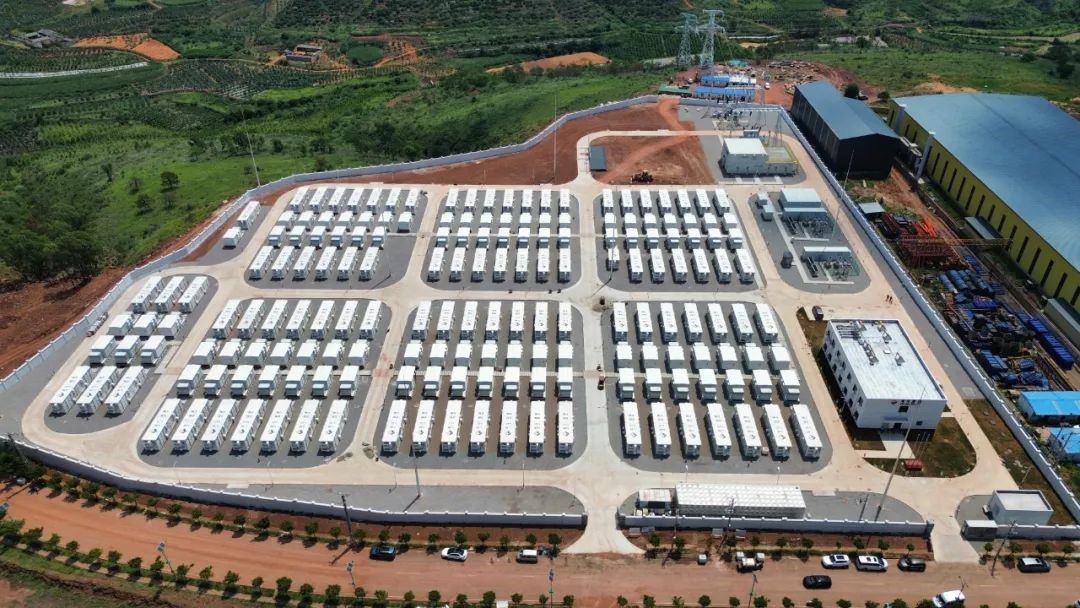
HiTHIUM stands at that pragmatic crossroads, offering integrative thinking and proven systems — a partner that turns careful design into reliable service. —