
Introduction
Ever watched a delivery van pause at dawn as frost glints across the windshield, then roll on without a hiccup? In that quiet moment, prismatic cells bear the cold, the current, and the clock. Today, fleets, homes, and grids lean on them in ways we could not imagine a decade ago. We also have hard numbers: battery pack prices keep falling, energy densities rise, and charge times shrink—yet uptime anxiety lingers. So, here’s the tension. If the tech is better, why do some packs still fail early, throttle power at the wrong time, or drift on state of charge?

Let’s move past the surface and into the build choices that shape real-world life—step by step, then forward.
The Hidden Gaps in Today’s Prismatic Battery Build
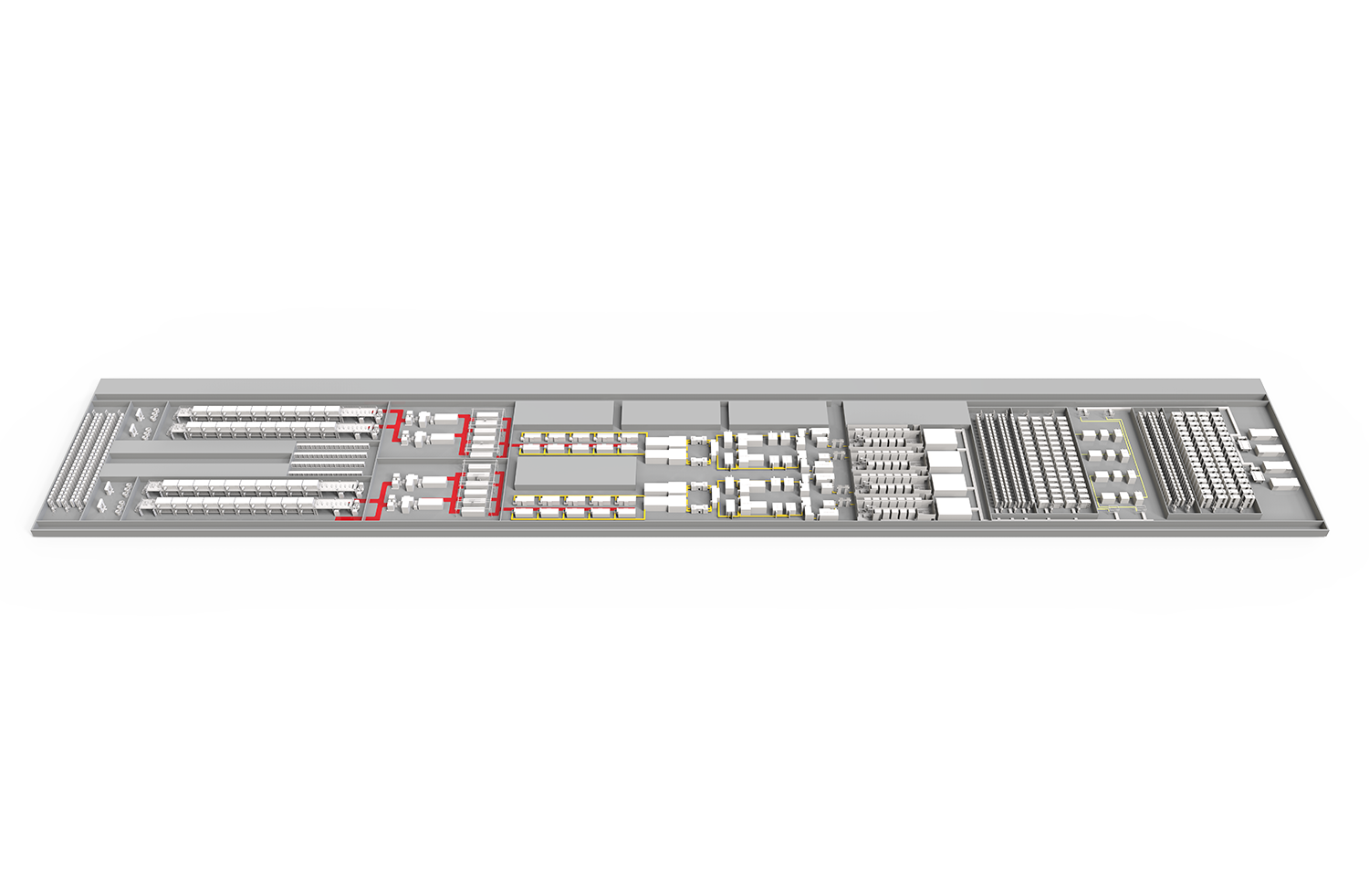
In many factories, the prismatic battery is treated like an easy win: more volume, stable casing, simple stacking. Look, it’s simpler than you think—but only on paper. Traditional lines still carry old habits that add risk. Consider electrolyte wetting in tall cans, where corners lag and create micro-voids that later become hotspots. Or formation cycling done on coarse profiles that miss early impedance rise. Even small errors in tab welding stack up: a few milliohms here, a few there, and you have heat that the thermal path cannot shed. When BMS firmware assumes perfect uniformity, the drift grows—funny how that works, right? The result is uneven aging, false flags on state of health, and a short walk to thermal runaway in edge cases.
Where do legacy designs fall short?
Three places tend to bite. First, process control. Roll-to-roll coating can vary across width, and without tight vision control, thickness errors slip into the jelly roll. Second, thermal design. Flat faces invite good contact, but pack layouts push airflow around power converters and crush zones, not cells. Heat piles up in the wrong corner. Third, traceability. If cell genealogy is weak, you cannot link a bad lot to a failure trend—and you tune in the dark. Add-in small busbar resistances and tab geometry limits, and peak power sags just when you need it. The fix is not magic; it’s granular, data-heavy, and kind. Tight metrology, better electrolyte management, and smarter BMS adaptation close most of the gap.
From Constraints to Capabilities: New Rules for Prismatic Cells
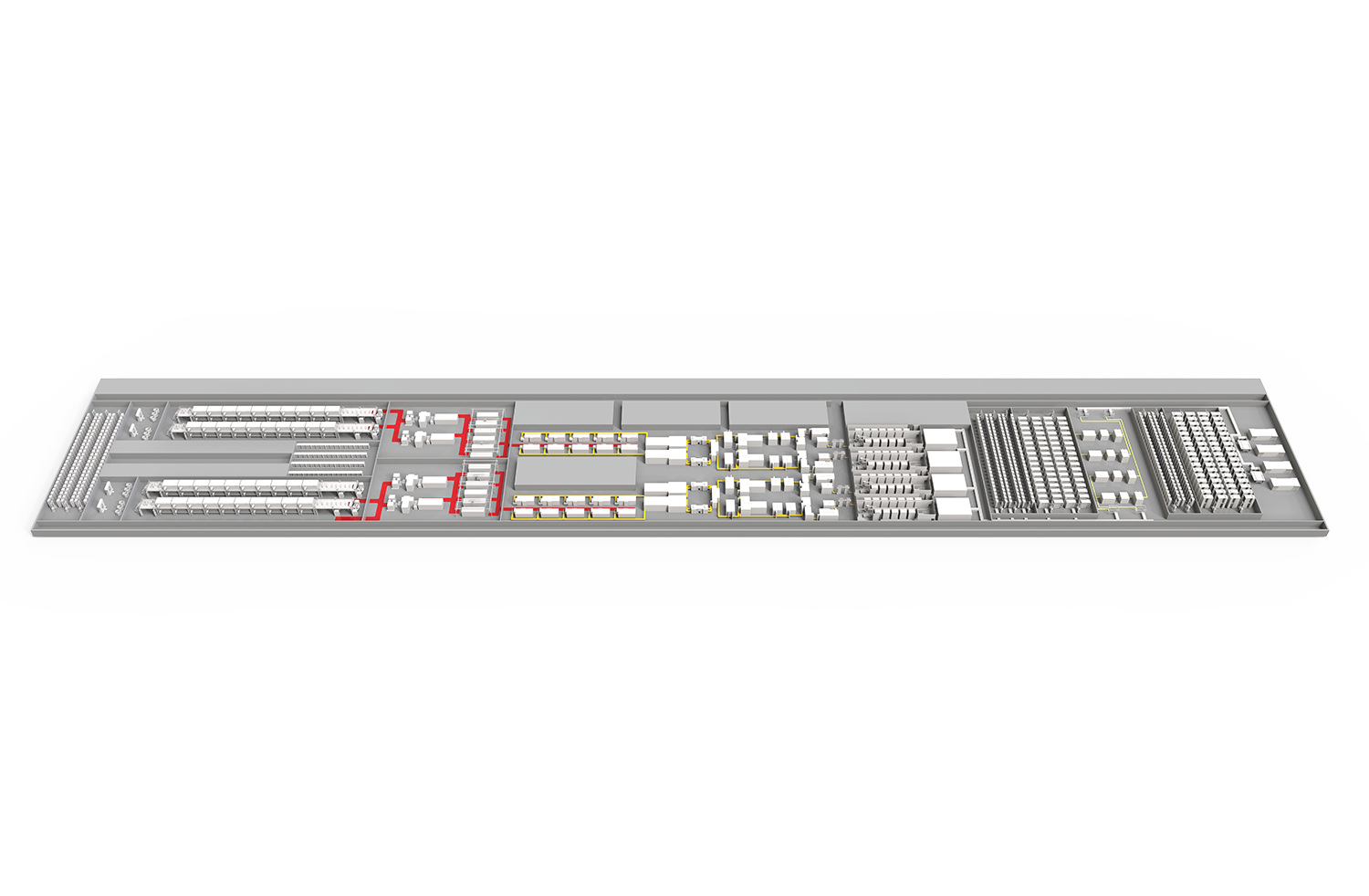
What’s changing now is the principle stack—how cells are built, sensed, and governed. Plants are pushing inline analytics to edge computing nodes, catching coating variance in real time and adjusting slurry solids on the fly. A modern line treats each prismatic battery as a traceable object with a living profile: impedance curves, gas evolution during formation, and even electrode tab temperature maps. With that, BMS firmware stops guessing and starts adapting per cell group. Thermal paths improve too. Cold plates align with internal heat sources, not just exterior faces, and zoned control evens out gradients. New busbar designs reduce path length and resistance, so less heat is made in the first place. Simple idea—high payoff.
What’s Next
Expect two shifts to stick. First, physics-aware formation cycling that tailors current pulses to the cell’s early fingerprint, cutting spread before packs leave the floor. Second, pack-level orchestration that speaks directly to cells: power converters and cooling loops respond to live impedance, not averages. This unlocks higher peak power without stress spikes. Summing up: less variance, better heat flow, faster response. To choose well, focus on three metrics: 1) variance in DC internal resistance after formation (lower spread means longer life), 2) temperature delta across the pack at peak draw (keep it tight), and 3) traceability depth, from coating lot to final module (so root-cause is minutes, not months). People will feel the difference in quiet ways—more mornings that just work, more miles that simply happen—because the hard parts got easier where it counts. For steady guidance across that journey, see LEAD.