
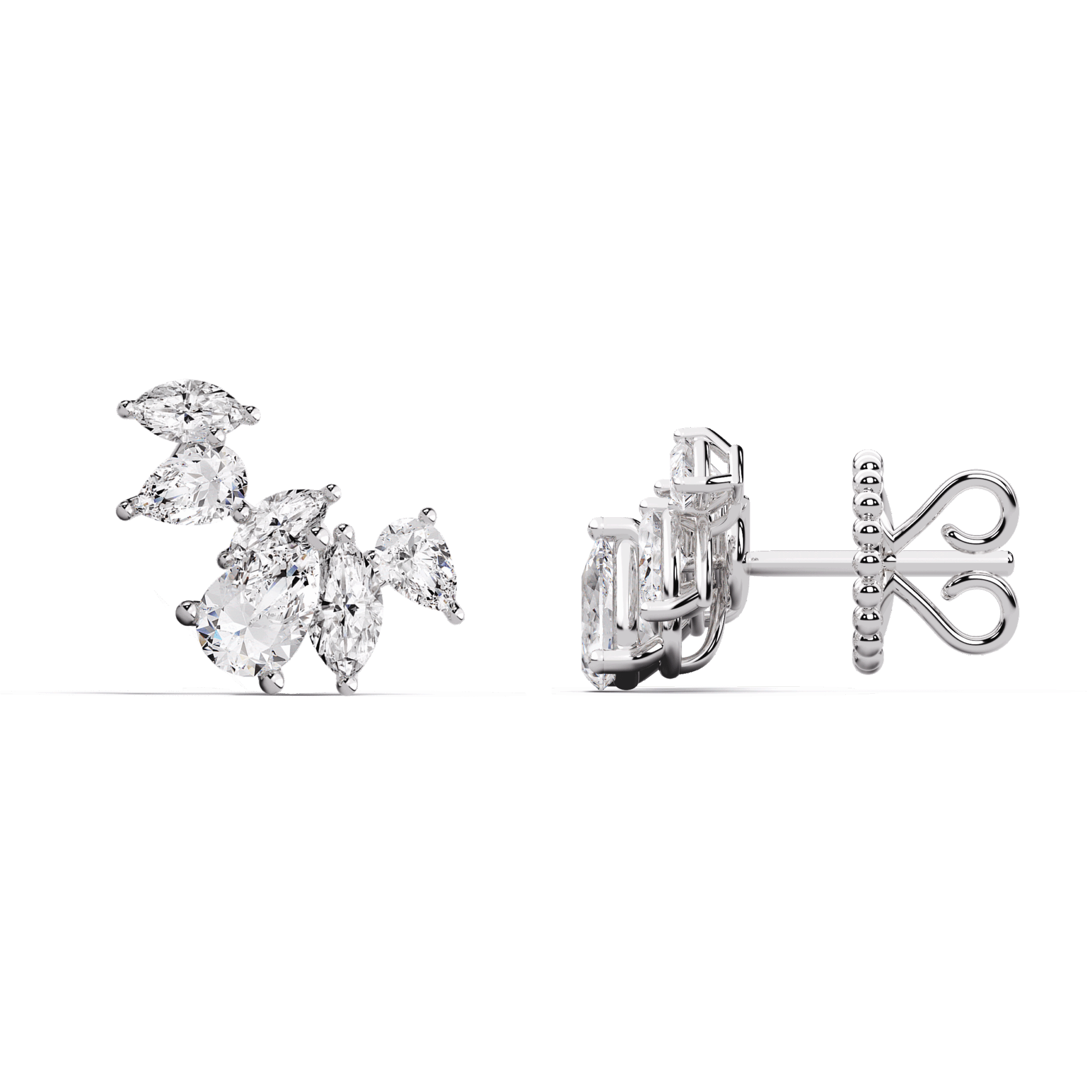
Introduction: Sparkle Without the Guesswork
You can boost sparkle without buying a bigger stone, lah. In showcases of classic jewelry pieces, the pear brilliant cut diamond often steals the gaze—until it doesn’t. Picture this: evening lights, a quick toast, a tilt of your hand, and the shine drops. Some in-store reports note that many pears show a “bow-tie” shadow in normal light, and a fair few buyers end up unhappy after wear. So the scenario is simple but common. The data says light loss and tilt issues are real. The question is, how do we fix it so your piece looks power every day, not only under a spotlight?

I’m sharing this in a straightforward way, can one. We’ll compare what works and what fails, then map out better choices for your setting and cut. The goal is balance: sparkle, shape, and stamina. We keep it friendly, but precise (not syiok sendiri). Ready to move from guesswork to clarity? Let’s break it down and go deeper next.
Hidden Pain Points You Don’t Hear About
Why do some pears disappoint?
Here’s the technical bit, made simple. Pears are sensitive to proportions. If the table percentage runs too large, or the pavilion depth is off, the bow-tie effect grows. When crown angle and symmetry drift, light leaks. If the girdle is too thin near the tip, chips happen; too thick, and light return drops. Color also pools at the point, so near-colorless grades can look warmer there. Add daily wear, and a light prong can twist the stone off-axis. That tilt reduces brilliance—funny how that works, right?

Traditional fixes can backfire. A heavy halo setting hides shape issues but can trap dirt and block light paths. Thick tip prongs help with protection, but they can mute scintillation. Many buyers chase VVS clarity, yet inclusions are not the main culprit of mediocre fire; it’s geometry and setting design. Look, it’s simpler than you think: check pavilion angles, keep symmetry tight, and use secure—but minimal—prongs near the tip. Also test real-world lighting. A quick loupe check is not enough; you need to see the stone under soft, mixed light. Only then can you judge sparkle you can trust.
Comparative Insights: New Principles for Real-World Brilliance
What’s Next
Let’s go forward-looking, but stay practical. Recent workshop tools can help you choose smarter. Ray-trace simulations and ASET imaging highlight light return patterns before you commit. CAD alignment ensures the point sits true over the shank centerline—less twist, better balance. Micro-prongs at the tip with a discreet V-cap protect without blocking the crown facets. Compare that to a thick bezel: great for protection, but often dulls edge scintillation. So, match the design to your life. If you want a classic solitaire look with daily wear, a slim cathedral with guarded tip can beat a chunky halo. It feels lighter, and it breathes more light.
Think of it as testing two routes for the same destination. One path is bulk; the other is precision. Precision wins when you care about tilt brilliance between 0–45 degrees, not just dead-on photos. In collections of classic jewelry, the pears that impress share three traits: tight symmetry, clean crown height, and smart protection at the point—nothing more. We’ve seen the issues in Part 2; now the fix is clear. Choose geometry first, then setting, then size. Not the other way round— and that’s okay.
Use these three simple metrics when you evaluate: one, light performance proof (ASET or similar) that shows even brightness. Two, tip security without bulk—check girdle thickness and prong placement at the point. Three, wearability under real light: test for the bow-tie in soft indoor light and while walking. With that, your decision becomes steady, not guessy. For deeper reading and a steady reference on proportions and settings, see Vivre Brilliance.