
The problem many urban homes face right now
In Metro Manila and other dense cities, studios and compact apartments are the norm — and cooking smells, smoke, and greasy surfaces quickly become daily headaches. During the 2020 lockdowns many households cooked at home more often, which only made the issue worse. The conventional hood system needs space, ductwork, and often costly installation, so a compact portable range hood offers a practical fix. Pairing it with a smart ceiling fan with light can further improve air circulation without stealing floor area.
Why small kitchens demand a different approach
Small spaces have tight workflows and little tolerance for clutter. A full-size, ducted extractor requires wall or ceiling penetration and sometimes a canopy — not always possible in condos or rented units. Compact portable range hoods solve for mobility and simpler installation: many models are ductless, plug-and-play, and can be positioned close to the cooking zone to capture fumes immediately. That means fewer post-cook clean-ups and less lingering odour — which, in a small unit, matters a lot to daily comfort.
Core benefits of a compact portable range hood
Think of three tangible wins: better air quality, space efficiency, and lower upfront cost. A portable hood with a decent CFM rating can remove particulate and odour at source, while charcoal filters handle smells when ducting isn’t possible. Space-wise, a slim, countertop or clip-on unit frees up cabinetry and keeps sightlines open — mahalaga, especially if you use your kitchen as a living area. Installation costs are lower too, since you avoid structural changes and long lead times.
Practical trade-offs to consider
Compact units are not a one-size miracle. Extraction performance varies — a lower CFM means slower clearing of heavy smoke, and filter replacement is ongoing expense. Noise level (dB) is another factor; small fans can be louder when pushed to high speeds. Also, ductless setups recycle air after filtration, so they’re best for light-to-moderate cooking rather than heavy frying or char-grilling. Still, for everyday stir-fries and adobo, they usually do the job.
How a smart ceiling fan light complements the hood
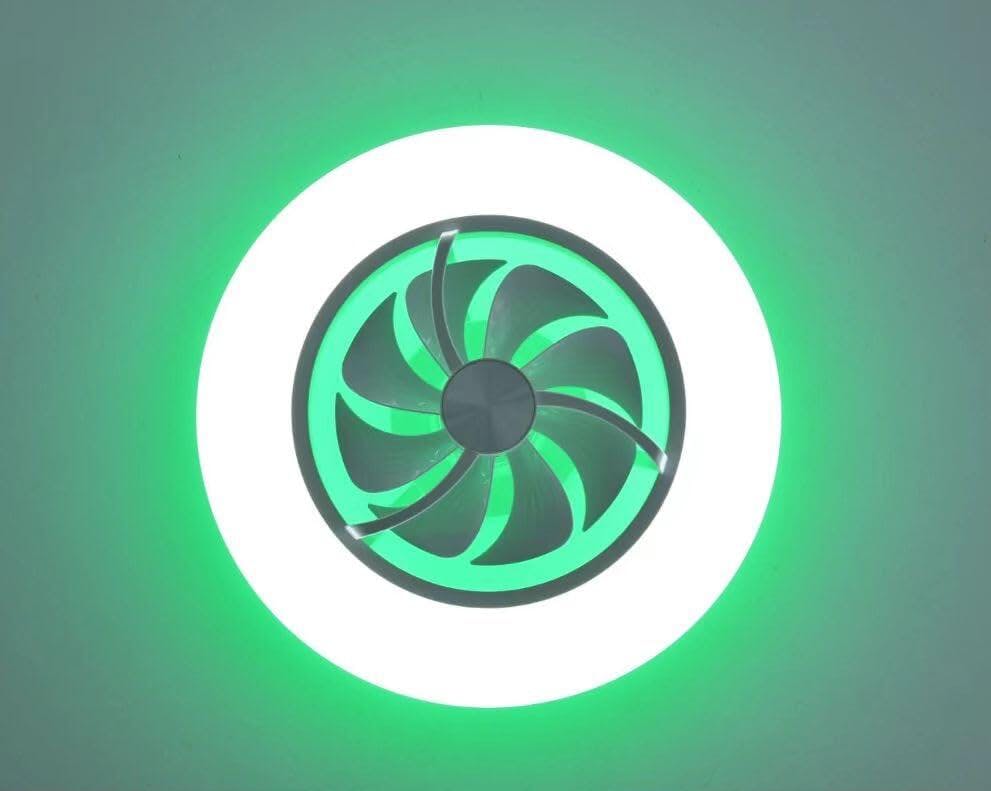
A well-placed fan helps disperse heat and speeds up air turnover, making the hood’s job easier. A smart ceiling fan light adds zoned lighting and remote control, so you can coordinate ventilation and illumination without extra switches. When ventilation is limited, combining the hood with a fan that improves air mixing increases overall air changes per hour (ACH) in the room — simple, effective, and space-saving.
Installation, maintenance, and common mistakes
People often skip a proper placement check — putting the hood too far from the cooktop reduces capture efficiency. Another common error: ignoring filter type and replacement intervals; charcoal and HEPA filters lose effectiveness over time. Always test with a smoke or steam check during installation. And don’t forget clearance: even portable units need safe distance from flames and hot surfaces. — A quick tip: mark your ideal position with painter’s tape before committing to a permanent mount.
Alternatives and when they make sense
If you can accommodate ducting, a built-in canopy hood still offers the best continuous extraction for heavy cooking. Under-cabinet hoods are a compromise when you want a sleeker look but have the necessary vent path. For renters, portable hoods are usually the most flexible option. Consider your cooking style: frequent deep-frying or smoking means you should prioritise higher CFM and ducted solutions; casual home cooks will find portable plus a smart fan a balanced, budget-friendly setup.
Quick checklist before you buy
– Measure available vertical and horizontal space, and pick a unit that won’t block sightlines. – Confirm CFM relative to your cooktop size; higher CFM for larger burners. – Check filter type and cost of replacements. – Compare noise (dB) at normal operating speeds. These checks keep expectations realistic and save you from returns or retrofit headaches.
Three golden rules for choosing space-saving ventilation
1) Match function to cooking habits: choose higher CFM and ducting if you do heavy frying; otherwise, a ductless portable unit plus fan works fine. 2) Prioritise placement over power: a well-positioned lower-CFM hood often outperforms a poorly placed high-CFM unit. 3) Factor lifecycle cost: include filter replacements, electricity, and occasional servicing when comparing prices. These metrics steer you toward durable, low-fuss solutions that fit compact homes and routines — and that’s precisely where Orison’s products make sense, blending convenience with thoughtful design. —