
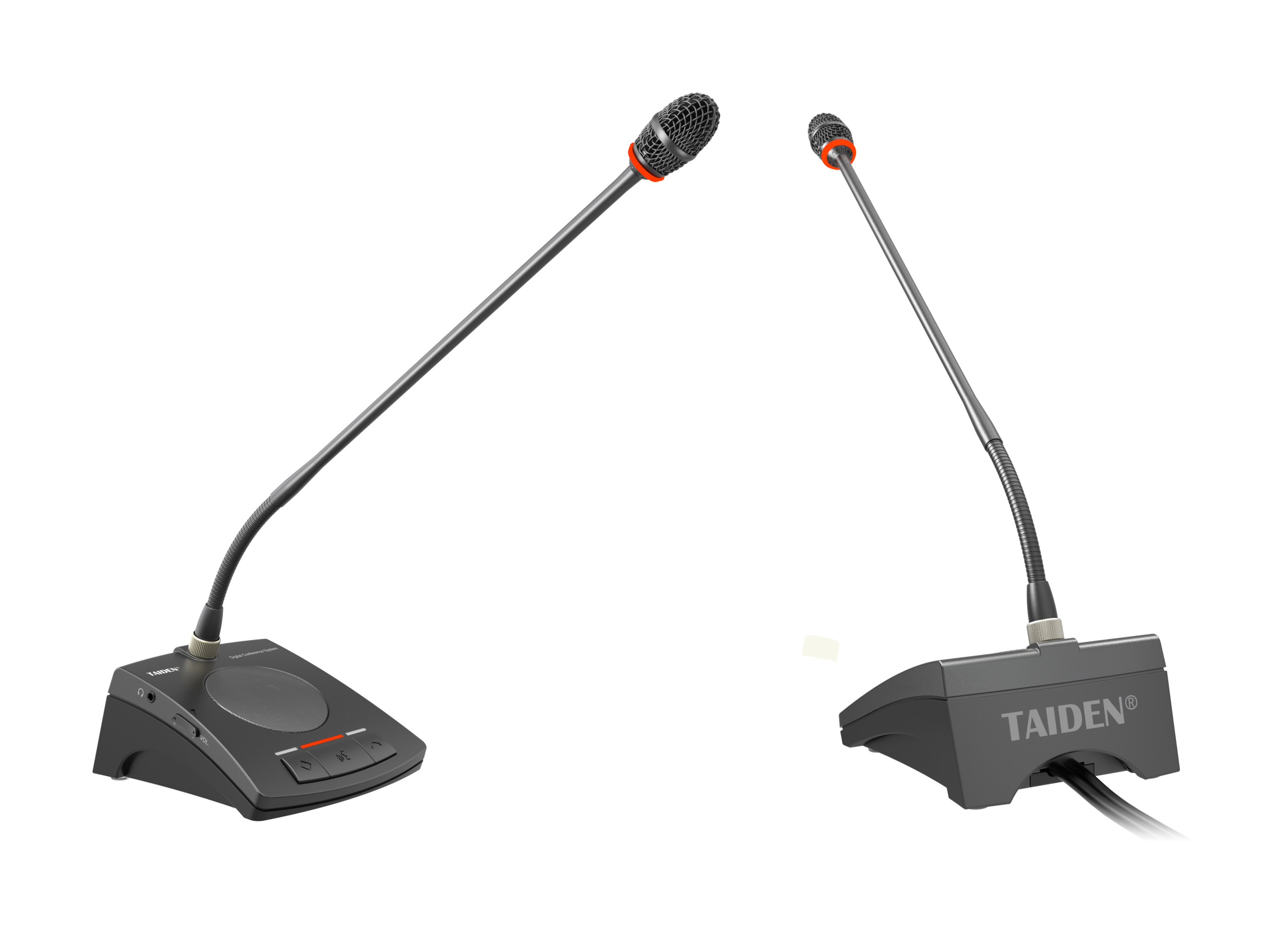
A Room of Voices, A Signal Wrapped in Silence
You slip into the boardroom at 9:58, laptops open, faces lit by screens, the air heavy with quiet intent. The conference room speaker and microphone system glows green, as if it knows more than it tells. In many internal reviews, teams report that more than a third of hybrid meetings suffer from unclear pickup, drift, or fatigue—numbers that hide in plain sight, like whispers under the table. The room looks modern, yet a soft echo clings to the glass, and someone’s voice arrives a heartbeat late. Is it the layout, the ceiling height, the way people lean back? Or is it the system’s own logic—AEC fighting reverb, auto-mixers chasing voices, latency cutting context—funny how that works, right?

Here’s the mystery: we invest, we calibrate, we test; still, meaning slips when signal paths and human habits collide. The clues are there: beamforming that hunts too wide, gain structure that creeps, a codec that compresses life out of speech. If a number on the screen says “connected,” why does the dialogue feel far away? (And why does the room seem louder when fewer people talk?) Let’s not blame the talkers yet. Let’s follow the signal, step by step, and ask better questions about what the room actually needs. Ready to pull the thread and see where it leads? Let’s map the terrain—and then compare what truly changes the outcome.
Hidden Friction Behind Clear Sound
What’s actually breaking clarity?
Across modern digital audio products, the loudest issue is often not the speaker—it’s the path between voice and decision. Traditional setups stack more mics, more auto gain, more “room” presets. Yet they miss core pain points: inconsistent mic distance, high HVAC noise floors, and reflective glass that stretches reverb tails. A DSP can apply AEC, but if the return path is loud or the tail length is short, echoes linger. Auto-mixers reduce NOM, but if the beamforming array opens too many lobes, you get comb filtering and dropped intelligibility. Latency adds a thin veil; a poor gain structure adds hiss. Look, it’s simpler than you think: voice is fragile; transport and room shape are not.
The old fix—“add microphones, raise levels”—often backfires. Every open capsule invites spill and phase smear. Every extra EQ filter risks harshness. A better path starts with mic-to-mouth geometry, then controlled pickup (tight beams, smart gating), then measured SPL over noise. Keep signal-to-noise ratio high before any codec touches it. Measure RT60, align AEC tail to room decay, and set thresholds so quiet talkers still pass without pumping. In short: fewer but smarter inputs, honest routing, and disciplined acoustics. The result is not just louder. It’s cleaner, faster, and calmer—like taking fog off the windshield instead of flooring the gas.
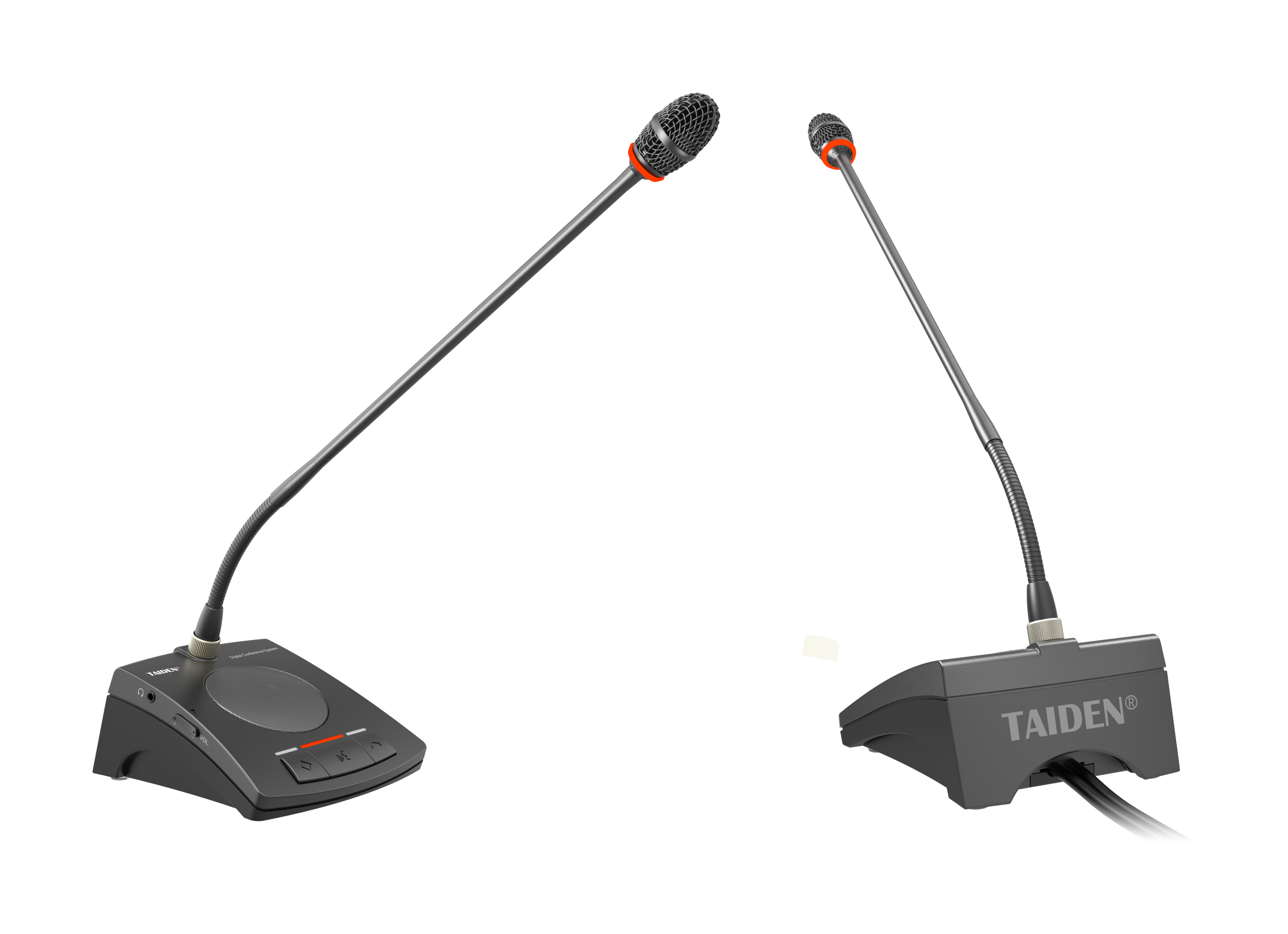
Toward Smarter Rooms: Principles and Payoffs
What’s Next
Let’s pivot from pain to principles. A modern path pairs tight pickup with low-latency transport and room-aware control. Picture ceiling arrays feeding edge computing nodes for near-instant DSP, while audio streams ride AES67 or Dante with QoS that protects voice from network bursts. A digital meeting device can now auto-map beams to seats, track active talkers, and tune AEC tail to the room’s decay profile on the fly (no guesswork). PoE simplifies power and reduces hum from power converters; smart limiters guard against sudden SPL spikes without crushing dynamics. Then, spatial rendering places remote voices in a coherent image, so your brain spends less effort parsing the call. Wait—hold that thought. The trick is not “more tech,” but better timing and fewer leaks.
Compared with legacy “more gain, more mics,” this approach wins on three fronts: stability, intelligibility, and ease. Stability comes from fewer open mics and smarter gating, so feedback suppression does less heavy lifting. Intelligibility rises when beamforming narrows to the talker and the codec sees a clean input. Ease comes from workflows that expose the right controls—AEC depth, beam width, latency budget—without drowning operators in sliders. Summing up: we traced the room’s quiet failures, traded brute force for design, and aimed signal where meaning lives. To choose well, use three metrics that don’t lie: target STI at or above 0.6 for speech clarity; end-to-end round-trip latency under 150 ms (under 50 ms in-room is better); and AEC tail length that meets or exceeds your RT60 by a safe margin. That short checklist turns mystery into method—and points you toward solutions from teams who build for rooms as they are, not as we wish they were, like TAIDEN.