
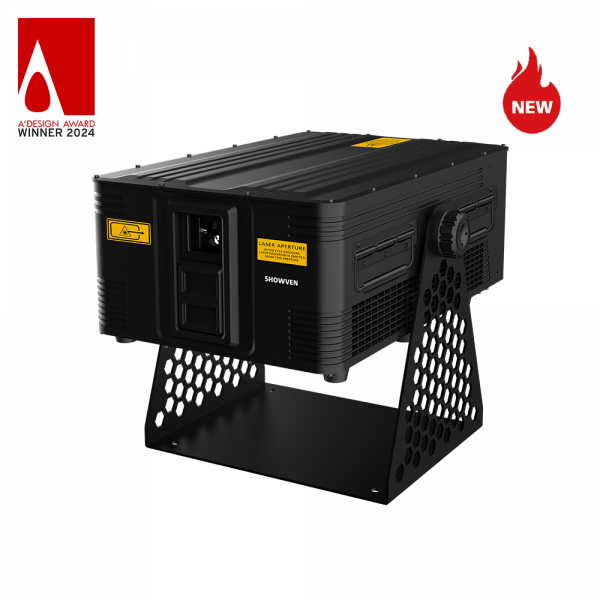
Introduction: Comparing Control, Risk, and Clarity
Start with the field reality: a show site, a tight load-in, and a crowd that will not wait. Laser lights enter the plan as the designer asks for crisp aerials and razor shapes that stay readable across distance. Industry logs point to a common pattern: most show delays come from rig complexity, cable faults, and thermal drift—small problems that stack up fast. In several audits, crews noted that alignment and power balance made up a large share of touch-up work. So the question is simple: is there a leaner path to precision output that still passes safety and compliance?
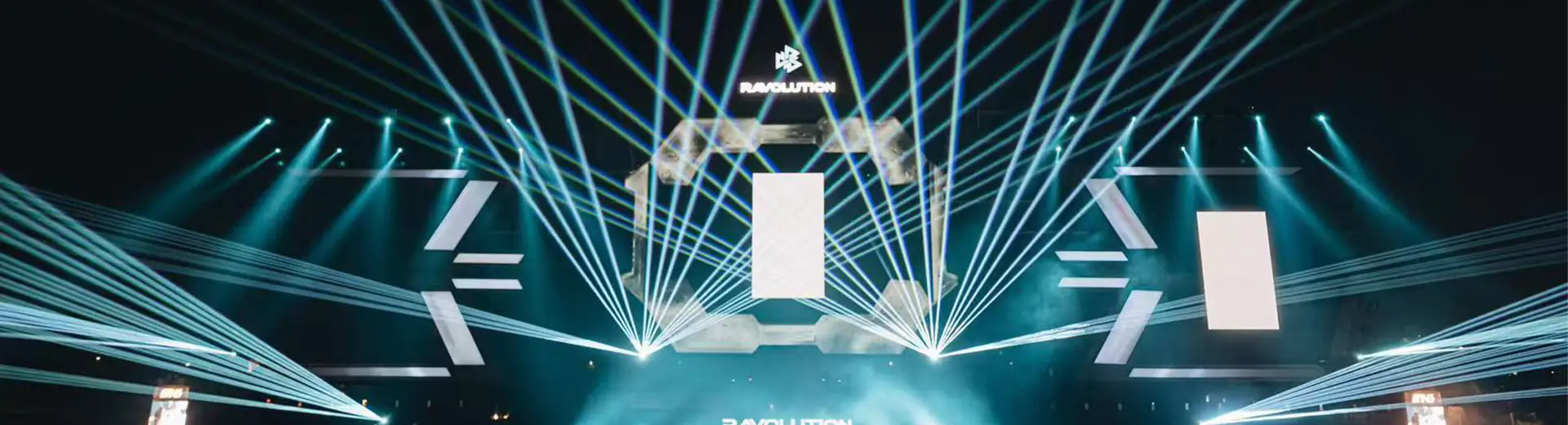
Technically, the path is there (and getting clearer). Compact scanners, sealed optics, and smarter control remove layers that once ate up time. With better thermal management and networked control, the signal chain shrinks, yet reliability rises. You can see it in fault trees: fewer weak links, fewer surprises. The tension is not art versus safety; it is old process versus better process—funny how that works, right? Let’s map the differences and the trade-offs, then decide how to spec the next rig.
The Quiet Failures of Traditional Setups
Where do the old methods break down?
Here’s the direct view: a legacy beam rig spreads effort across aging dimmers, heavy optics, and lots of cable. A modern laser light show machine consolidates that path into sealed modules and fast control. Look, it’s simpler than you think. The usual pain points—misaligned lenses, shift in color uniformity, large beam divergence—come from many discrete parts, each needing its own tweak. By contrast, integrated galvanometer scanners track tight angles with stable repeatability, and digital control gets rid of analog drift. DMX or ILDA links can still run the show, but shorter chains mean fewer fault surfaces. Power converts cleanly via high-efficiency power converters, which reduces heat and noise. Add proper interlocks and scan-fail safety, and your risk matrix gets lighter. The blunt truth: the “fix time” you plan for a legacy rig is often baked into habit, not need. When edge cases hit—wind, dust, quick scene changes—the compact optical path in a modern unit holds alignment better. And when it does slip, a fast recalibration routine puts it back on target without a ladder or guesswork.
A Forward Look: Smarter Beams, Leaner Rigs
What’s Next
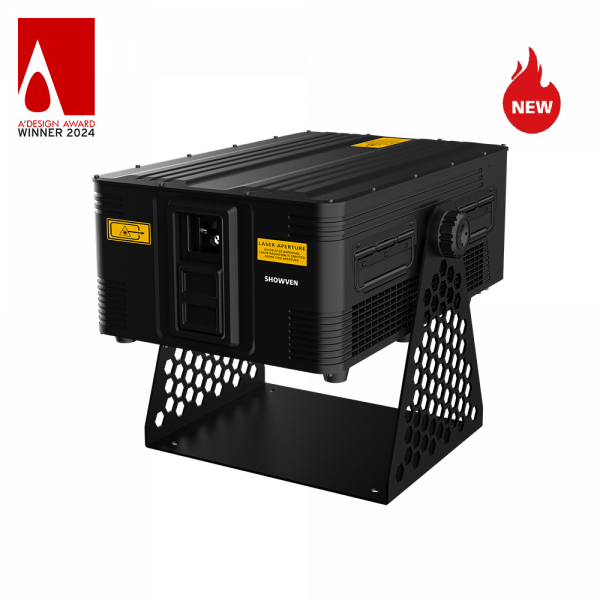
The near future of shows points to fewer boxes and more brains inside each head. Today’s laser light show equipment leverages on-board processing, often via FPGA controllers that manage scanning curves and safety windows in real time. That means tighter blanking, cleaner corners, and consistent power output under load. Networked nodes—think small edge computing nodes at the fixture level—let you monitor temperature, current draw, and signal integrity before a fault spreads. Compare this to traditional fixtures where signal runs long and analog drift creeps in. Shorter, smarter loops help both art and compliance live together. And the footprint shrinks, too—less rigging mass, fewer spares, clearer cable trays.
So how do you choose, practically? Keep a comparative lens and track three metrics on every bid. One: power stability under duty cycle, not just max rating—ask for logged output curves. Two: scanner accuracy at speed (check degrees at 30 kpps and above), including beam divergence across the field. Three: safety and control depth—redundant interlocks, calibrated apertures, and network reporting you can audit. If two systems look “equal,” test recovery time from heat soak and alignment stress—small numbers win. The lesson so far is steady: fewer components, better telemetry, and smarter control loops cut failure risk and show-time drift. And with more insight on the line—dashboards, alarms, snapshots—you spot issues before the audience does. That keeps crews calm, budgets honest, and shows sharp—funny how that works, right? For deeper technical references and product architecture, see Showven Laser.