
The Night the Crowd Looked Away (and Why It Matters)
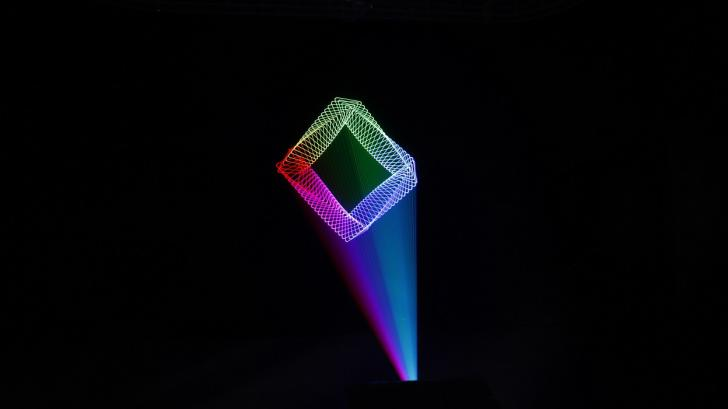
Here’s the scene: a packed festival, phones up, confetti falling, and the headliner hits the big drop. Stage Laser Lights blaze across the haze like it’s a sci‑fi premiere. Yet half the crowd looks at their screens, bored with the same old wash and blink. Data says visuals drive recall by over 60% in live events, but somehow the room still feels flat—yes, really. So what’s missing if the beams are bright and the cues are tight?
Maybe the problem is not brightness. Maybe it’s the gap between control and response. The lag. The way the beam drifts when the bass hits. When DMX packets choke, or the galvanometers shake, the illusion breaks. And once that break happens, attention leaks fast. Are we lighting the room, or guiding a story? Small difference. Big effect. Let’s unpack that.
Under the Hood: The Flaws You Don’t See
What actually goes wrong?
Most rigs still treat lasers like spotlights with attitude. But stage laser lighting is closer to precision robotics. Legacy chains shove everything through DMX, which adds jitter. That jitter makes scan lines wobble and logos smear. Galvanometer scan rate hits a ceiling, then the beam blooms. Beam divergence widens, edges fuzz, and your crisp look turns mushy. Cheap power converters clip under load, so color mixing shifts when the bass kicks. Optical attenuation gets uneven as mirrors heat up. Look, it’s simpler than you think: the system is only as tight as its weakest driver.
There’s more. Many shows push cues from one central console, far from the truss. Long runs mean noise and delay. Without edge computing nodes near the fixtures, timing drifts. Modulation loses sync, and PWM chatter sneaks into the image. The result? Eye fatigue, flat looks, and an audience that feels the timing is “off” even if they can’t say why. When precision fails by milliseconds, the human brain notices—funny how that works, right?
Forward Light: Comparing Old Tricks to New Principles
What’s Next
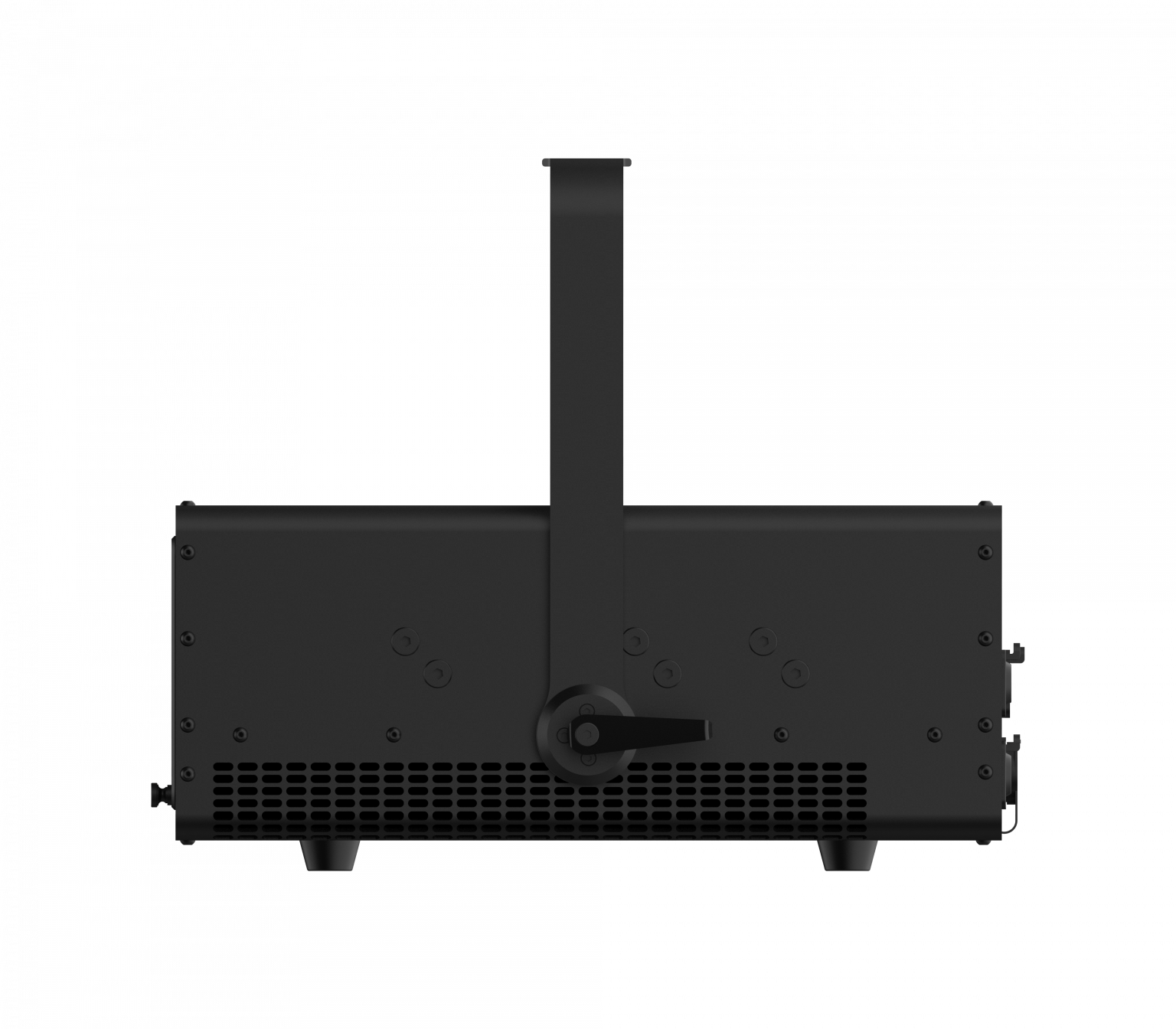
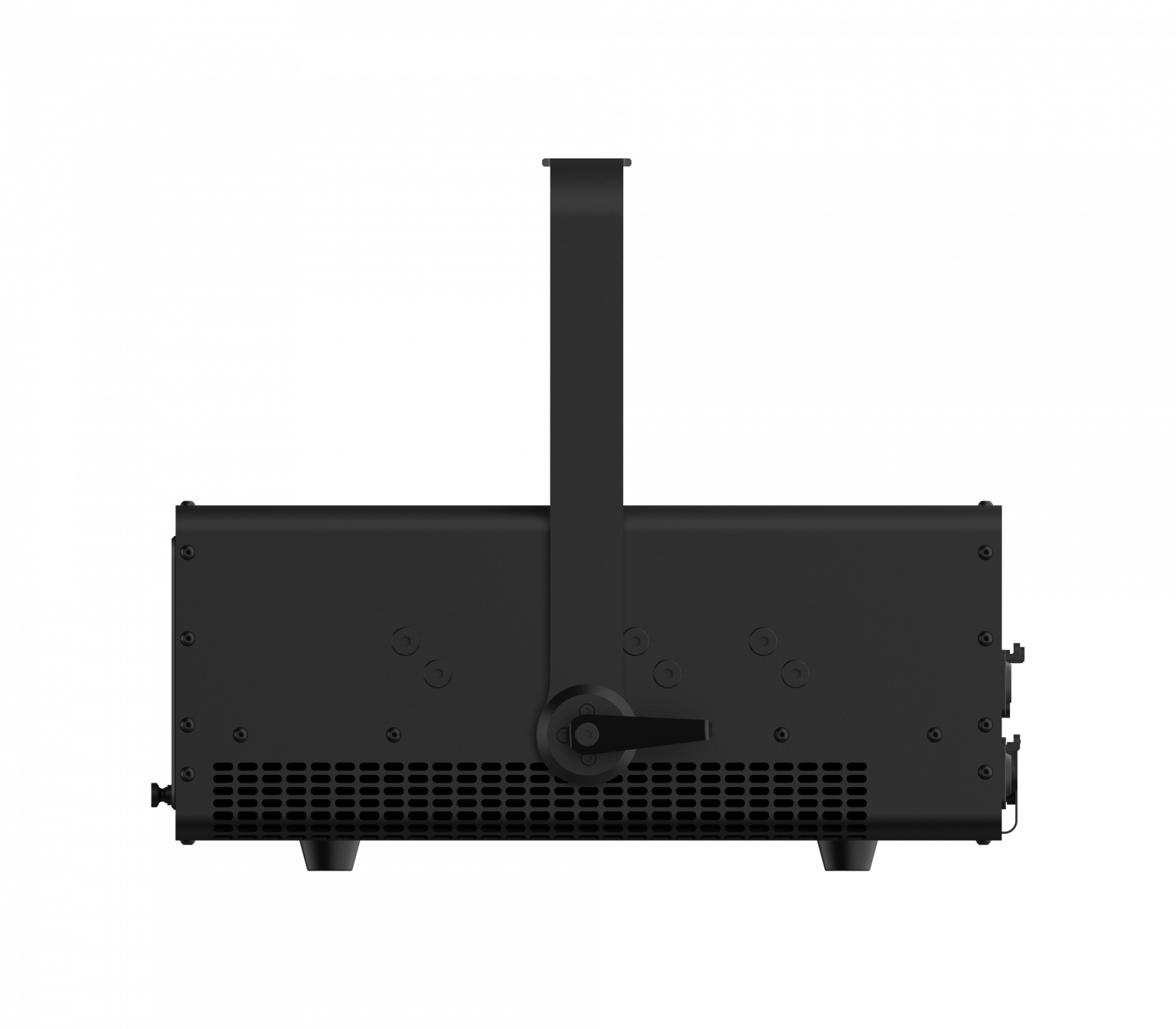
Now compare that to rigs built on new principles: local processing, sensor feedback, and smarter optics. Instead of pushing every cue down a single control line, fixtures run microcontrollers at the edge and close the loop on position in real time. That tightens the galvanometer path, stabilizes the scan, and keeps beam divergence in check. With better thermal design and regulated power converters, color stays true at peak load. When cues do travel, they ride on time‑stamped packets with clock sync—no more jitter dominoes. And when you spec laser lights for stage with sealed housings and active cooling, your output doesn’t sag at set four. Small moves; big gains.
So the shift is clear. Old rigs chase brightness; new rigs chase stability. Old flows centralize; new flows distribute. The payoff is not abstract. Crisp logo scans at 30Kpps still look sharp from the back row. Motion stays glued to the beat even when the set list pivots. And audiences track the story because the images stop lying. Advisory close-out: judge systems by three things—latency under load (end‑to‑end, not brochure math), scan integrity over time (watch for drift after 20 minutes hot), and color linearity across the full modulation range. Nail those, and the crowd stays with you—through the blackout, through the drop, through the quiet. That’s the difference between “light” and direction. You’ll feel it. Showven Laser