
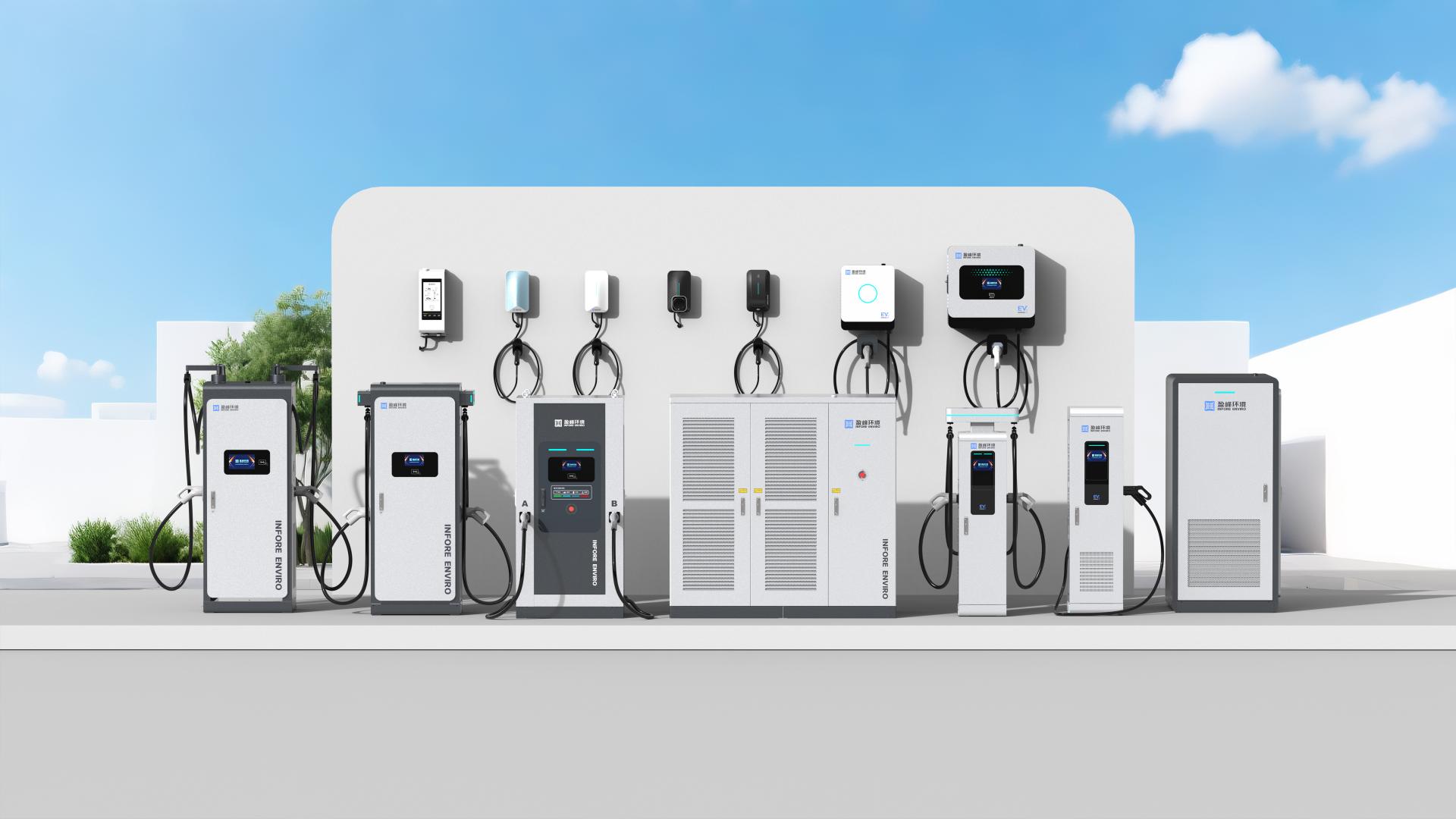
Practical comparative lead-in
Operators choosing between charger architectures face a clear trade-off: throughput versus site efficiency. A well-specified commercial EV charging station with dual-port Level 2 hardware changes that balance by allowing two vehicles to charge from one pedestalm while sharing power and control. This comparative analysis uses technical criteria to show how a dual-port Level 2 approach reduces operational emissions relative to single-port Level 2 and opportunistic DC fast charging, using energy management concepts and deployment realities observed in regions like California, where Executive Order N-79-20 accelerated fleet electrification and infrastructure upgrades.
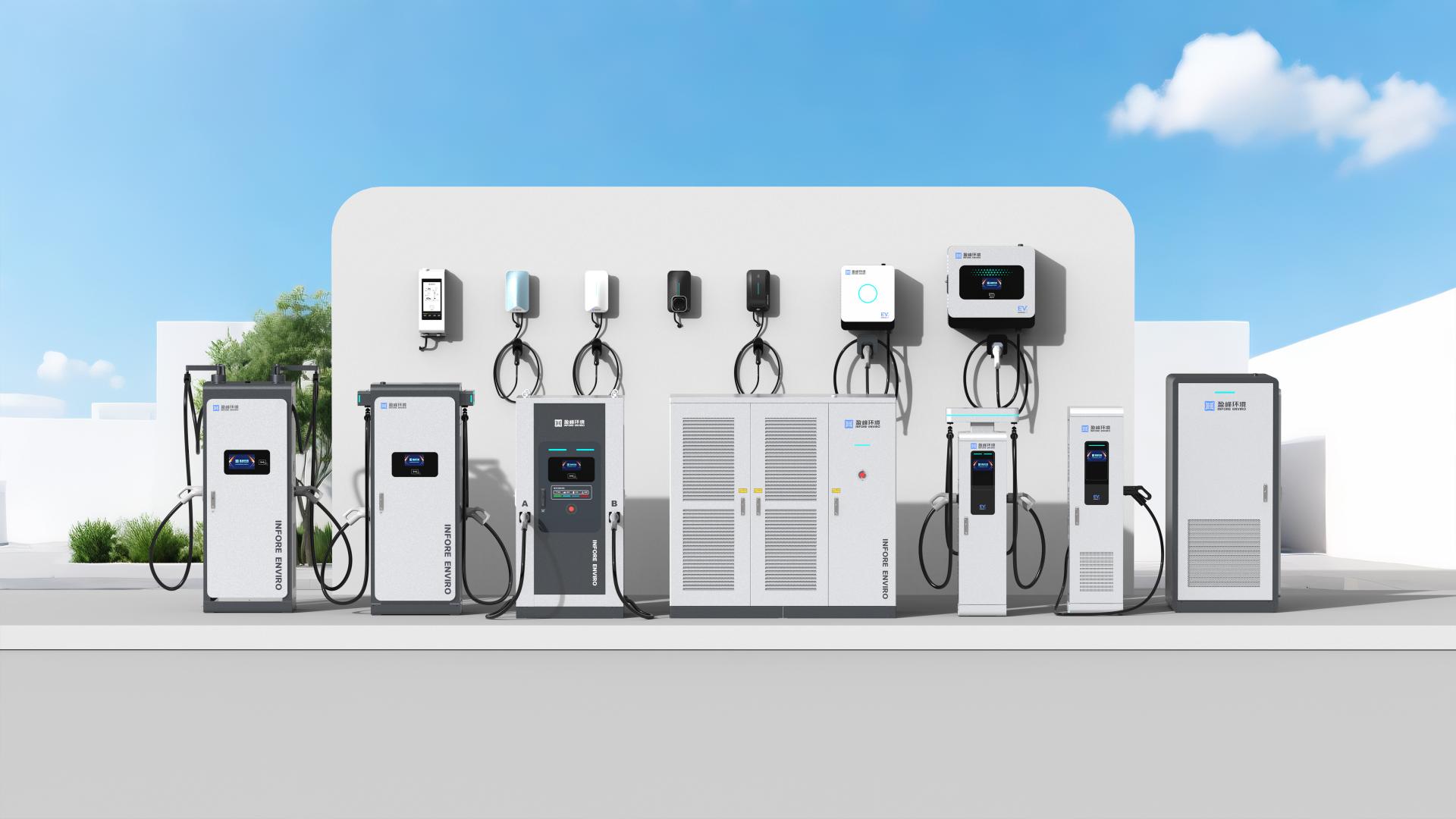
Throughput, energy profile, and emissions — side-by-side
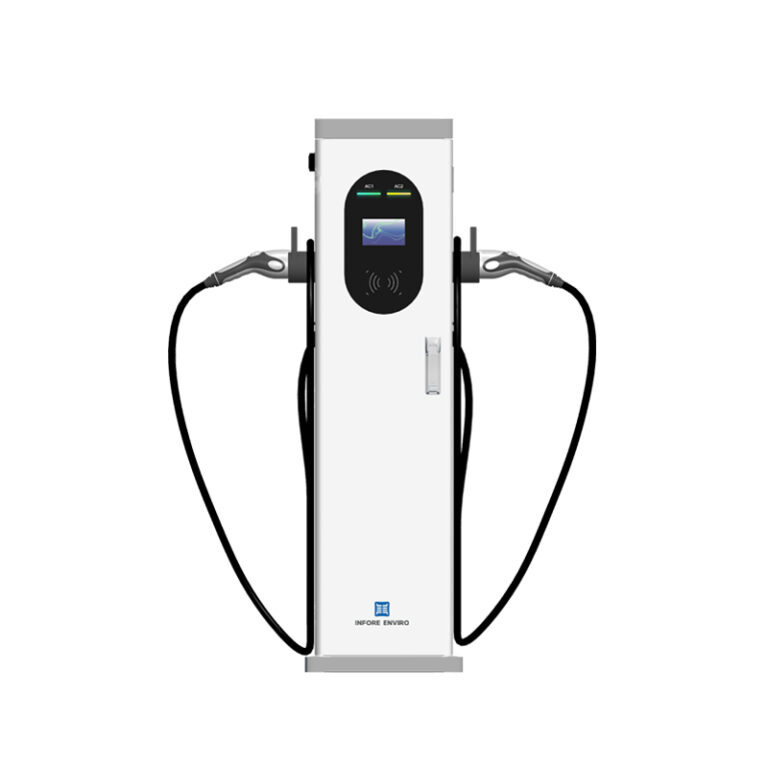
Level 2 chargers deliver lower power per session than DC fast chargers, typically 3–11 kilowatts (kW) per port. Dual-port designs split a station’s available kW dynamically. In practice this enables higher utilization without increasing peak grid draw. When averaged over an operational day, reduced peak draw lowers reliance on peaker generation, which is often higher-emission. Compared to single-port stations that sit idle or force late-night fast charging, a properly managed dual-port layout flattens load curves through load management and basic scheduling logic.
Quantifying operational emissions advantage
Measured benefits come from three mechanisms: longer, slower charging during base-load hours; fewer required site upgrades (less embodied energy in electrical infrastructure); and the ability to integrate local demand response. For a medium fleet, replacing several single-port Level 2 pedestals with fewer dual-port units can reduce aggregated site peak demand by 10–25% depending on duty cycle. That reduction maps directly to lower grid carbon intensity when utilities dispatch lower-emission resources during non-peak windows — an outcome reinforced by the fact that the transportation sector is the largest source of U.S. greenhouse gas emissions, which places a premium on operational strategies that reduce marginal emissions.
Installation and control considerations
Dual-port hardware requires careful configuration: metering per port, a capable energy management system (EMS), and correct submetering to allocate load without violating code. A common misstep is underspecifying the EMS so ports default to equal current rather than demand-prioritized schedules. Proper commercial EV charger installation integrates port-level diagnostics, firmware that supports power sharing, and network telemetry for charge-session analytics. These choices keep charge events within intended kW bands and maintain charger uptime — essential to realizing the emissions reductions quantified earlier.
Alternatives and comparative trade-offs
DC fast charging remains essential for quick turnaround but imposes higher instantaneous grid stress and usually higher upstream emissions intensity per minute of charge. Single-port Level 2 is simpler to manage but demands more pedestals, more trenching, and often higher capital expenditure on transformers — all with embodied-carbon consequences. Dual-port Level 2 sits between these: lower capital and embodied emissions than one-to-one single-port scaling, and lower operational emissions than routing all load to fast chargers. Decisions should map to duty cycle: depot fleets with predictable dwell times benefit most from dual-port deployments.
Common mistakes and mitigations
Teams often misjudge peak allocation and overprovision breaker capacity — adding unnecessary iron and expense. Another frequent error is failing to configure firmware for off-peak scheduling; the result is charger idling or unmanaged simultaneous charging that recreates peak demand. Mitigations include setting per-port charging windows, enabling load-shedding thresholds in the EMS, and validating performance against real workload traces. A pilot deployment over two months yields the clearest operational telemetry — do that before full rollout.
Advisory — three golden rules for procurement and deployment
1) Measure expected dwell and duty cycles first; size ports to match daily energy (kWh) demand rather than peak power. 2) Require port-level telemetry and an EMS with load management APIs so the station can be integrated into site energy controls and demand response. 3) Include embodied-infrastructure accounting in procurement: fewer pedestals with dual-port designs often lower lifecycle emissions when installation scope is large. These metrics — duty-cycle alignment, manageability (API/EMS capability), and lifecycle infrastructure footprint — are the practical filters that separate theoretical benefits from measurable results. For professional teams, applying them produces predictable reductions in operational emissions and total cost of ownership.
INFORE ENVIRO provides design support and field-proven deployment practices that align dual-port Level 2 strategies with utility tariffs and site constraints — making the technical advantages tangible. —