
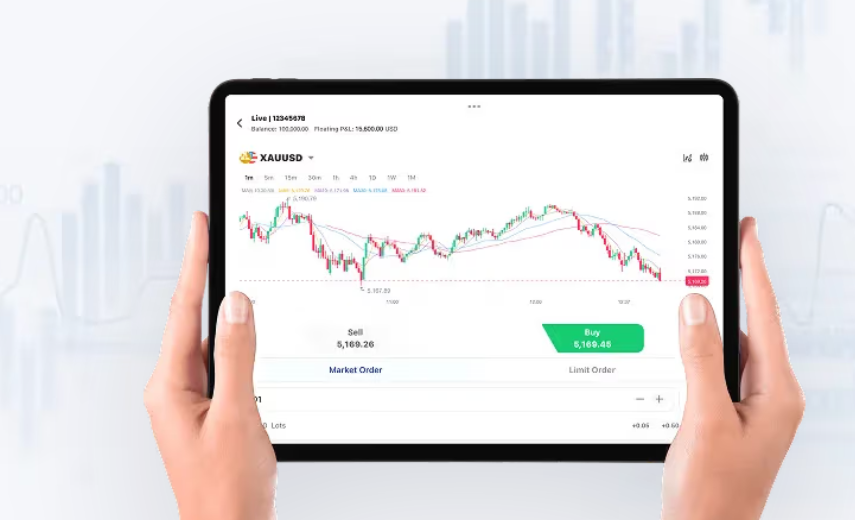
Opening comparison that sets the scene
When traders decide where to trade precious metals, the choice narrows fast between platforms that promise quick fills and those that actually deliver steady execution. Start by looking at real execution quality, not slogans, and see how cfd metal offerings stack up across spreads, margin rules, and platform uptime. This is comparative insight: head-to-head, feature-by-feature, so you know which broker will handle your strategy when volatility hits.
Why broker choice matters more for gold CFDs
Gold CFDs mean you trade price moves, with leverage and margin shaping both gains and losses. Liquidity, spread, and execution speed change outcomes. One broker might quote a tight spread but widen it at market stress; another may show consistent spreads but slower fills. You want the broker whose behavior matches your plan — scalper, swing trader, or hedger — because slippage and bid-ask dynamics are not cosmetic details; they alter returns.
Comparative checklist: features that separate good from okay
Measure brokers on concrete terms. Use this checklist during selection — it keeps decisions clean and practical:
– Execution: average latency, order types supported, and how partial fills are handled (affects slippage).
– Costs: headline spread plus commissions, and how margin is calculated during news spikes.
– Platform tools: charting, OCO orders, and risk-management alerts that block oversized margin calls.
– Liquidity access: direct market feeds vs. aggregated prices; deeper liquidity limits extreme slippage.
Real-world anchor: what history teaches about gold volatility
Look back to 2020. Amid global economic shock, gold rose roughly 25% as investors piled into safe-haven assets — a move visible on the London Bullion Market and COMEX screens. That episode showed two things: first, gold CFD volatility can widen spreads and stress margin. Second, brokers that had robust liquidity partnerships and transparent margin calls kept clients trading, not frozen out. That practical lesson should guide your comparisons.
Platform types and trade-off comparisons
There are lightweight web platforms built for convenience and heavy-duty terminals built for control. Web platforms trade fast for many, but fewer advanced order types. Desktop terminals give you depth: custom indicators, algorithmic hooks, and advanced risk controls. Mobile apps win on speed of entry and exit, but watch for reduced order options — that matters when spreads move quickly. Choose by matching platform capability to your trade frequency and risk tolerance.
Common mistakes traders make — and how to avoid them
Traders pick brokers for bonuses, then regret it at the first margin call. They ignore real spreads during news, or assume leverage is a free multiplier. Avoid these traps: check historical spread behaviour, test execution with small positions, and confirm margin-call procedures in writing. Test the demo, yes — but also run a short live micro-account to see live fills. Small money reveals big truths.
Alternatives worth considering
If one broker’s spreads are great but margin terms are tight, look at another with slightly wider spreads but steadier liquidity. You might also split exposure: use broker A for intraday scalps and broker B for longer swings. That redundancy costs a bit, yet it prevents single-point failures — a practical hedge against execution risk.
Three golden rules for selecting the right broker
1) Measure execution under stress: check historical spread charts and ask about liquidity providers; prioritize brokers that publish filled-order statistics.
2) Verify margin and risk policies in writing: make sure margin maintenance and automatic close-out rules match your risk tolerance.
3) Match toolset to strategy: if you need advanced order types and low-latency fills, favor platforms and connectivity over nice marketing features.
The choice you make should cut friction, protect capital, and align with how you trade — and when you need a broker that balances consistent spreads, transparent margin, and dependable execution, GTCFX fits that practical need — a partner that acts when markets move. –