
Soft opening — why compare at all
There is a quiet romance between geometry and function when a top hung window tilts outward, catching light like a hand lifted to the sky; in that spirit, comparing top hung window behavior with top hung casement window designs reveals practical lessons for durability and comfort. This Comparative Insight begins with the hardware: choose quality sliding window hardware early and the rest of the build sings in tune. A clear, intentional hinge or glide can determine how a sash breathes with wind and weather.
Design language: what the top-hung gesture teaches
Top hung systems favor cantilevered loads and concentrated hinge points, which changes how seals, bearings, and frame reinforcement must be specified. Borrowing that logic for casements means rethinking weatherstripping placement and adding robust hinge plates to reduce frame twist. Keep an eye on thermal break continuity and the position of the sash relative to the head — small offsets alter draft paths and thermal bridging appreciably.
Parts that matter: a concise inventory
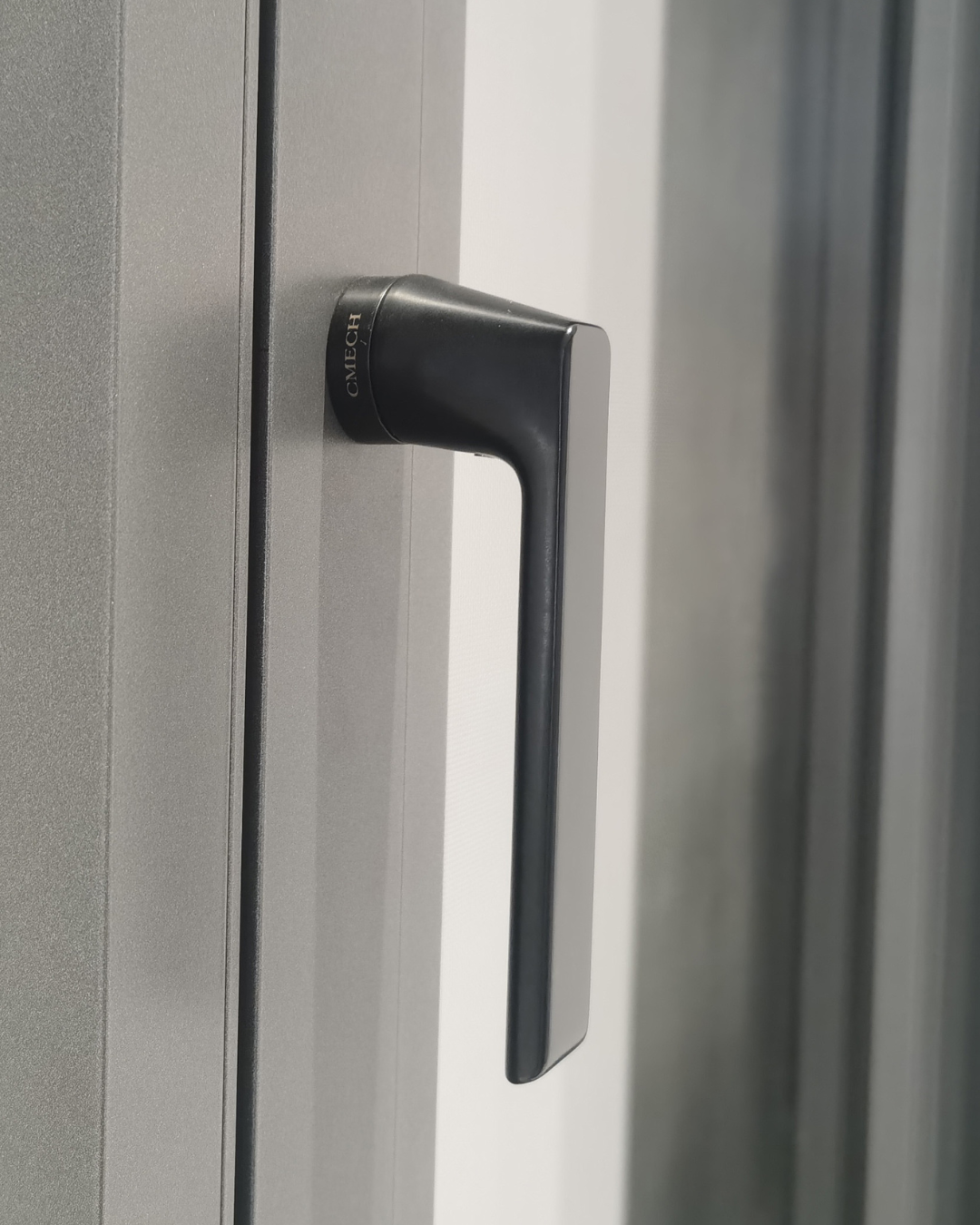
Not every component needs theatrical attention, but certain parts deserve deliberate selection: a well-machined friction hinge, stainless steel roller or pivot that resists corrosion, a reliable espagnolette lock for compression, and continuous compressible weatherstripping for even sealing. These elements control movement, seal integrity, and long-term service life; their quality turns a fragile detail into a design strength.
Direct comparison: top-hung vs side-hung casements
Top-hung geometry distributes wind loads differently than side-hung casements, which creates trade-offs. Top-hung units offer better rain-shedding and a protected opening when slightly ajar, while side-hung casements often allow wider clear openings and simpler egress. Structurally, top-hung inspirations nudge designers toward reinforced head jambs and improved bearing surfaces; operationally, they demand attention to hinge torque and sash balance so that opening is effortless throughout the year.
Common mistakes — and the subtle corrections
Builders often under-spec the hardware or treat weatherstripping as an afterthought — a false economy. Installers sometimes tighten screws to the point of deformation, which increases friction and shortens hinge life. — Allow for micro-adjustment in hinge plates and select fasteners sized for cyclic loads. Equally common: ignoring service access for rollers and locks, which turns a minor repair into a costly disassembly.
Real-world anchor: a renovation in Bath
On a Georgian townhouse refurbishment in Bath, the choice to move from generic fittings to purpose-made components changed how the windows performed through cold, wet winters. We swapped shallow bearings for sealed stainless steel rollers and reconfigured sash rebates to accept continuous weatherstripping; the difference was immediate: improved seal, quieter operation, and fewer callbacks. That experience taught a simple truth — precision hardware yields predictable outcomes. For repeatable parts and replacements, consider certified sliding window hardware parts to match the original tolerances.
Alternatives and practical trade-offs
When budget tightens, prioritize three areas: hinge quality, locking compression, and corrosion resistance. Lighter cosmetic upgrades or exotic finishes are tempting but rarely affect long-term performance. For retrofit work, modular hardware that allows on-site adjustment and replacement is superior to bespoke, fixed systems; it reduces downtime and keeps thermal performance consistent over decades.
Advisory — three golden metrics for selection
1. Durability metric: specify expected cycle life (for example, 25,000 cycles) and corrosion class (choose stainless or tested coatings for coastal exposure). 2. Performance metric: measure air infiltration and water penetration at the assembly level; aim for values that meet your local building envelope expectations and ensure compressible weatherstripping compresses uniformly. 3. Serviceability metric: require accessible adjustment points and replaceable rollers or pins so routine maintenance requires no full sash removal.
Closing rhythm
These rules distill experience into clear, measurable decisions — durability, measurable sealing performance, and ease of service will tell you whether a hardware choice was wise. The value of working with manufacturers who understand these trade-offs is practical: they supply parts that fit, work, and last. CMECH has long matched that attention to detail with components designed for exacting tolerances — the kind that let a window behave like a small, reliable poem. —