greenswriting
  • Home
  • Business
  • Featured
  • Global Trade
  • Industry
  • LifeHot
  • Market
  • Tech
  • Travel
Author

Dennis

Dennis

Industry

From Cells to Circuit: A User-Focused Step-by-Step Guide to Quality Control in gsopower’s Home Backup Batteries

by Dennis April 17, 2026

Practical opening: what this guide delivers

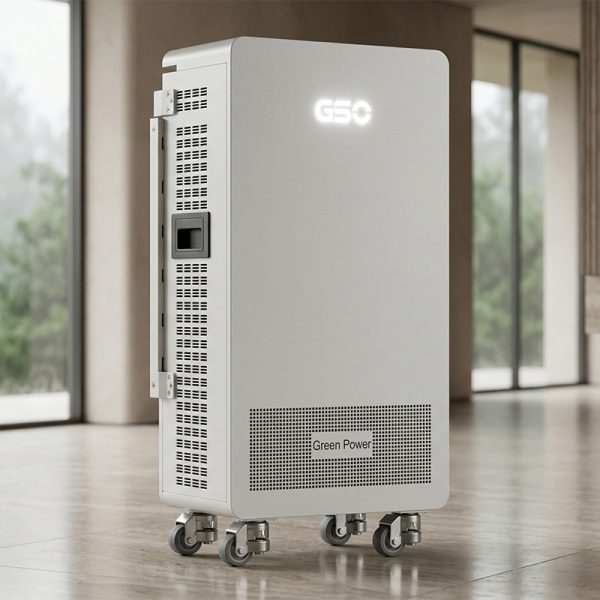
This piece walks a homeowner through how quality control shapes a reliable solar battery storage system, using clear steps you can track and verify. The goal is simple: help you recognize the checkpoints that keep a unit safe and durable, whether you’re comparing models or commissioning an installer. Expect terms like battery management system (BMS), depth of discharge (DoD), and cycle life used where they matter, explained plainly so you know what to ask for.
solar battery storage system

Step 1 — Incoming cell verification

Quality control starts before assembly. Inspectors verify cell lot numbers, perform voltage and internal resistance sampling, and confirm lithium-ion chemistry specifications against datasheets. Reliable manufacturers run acceptance tests on a statistical sample to catch damaged batches early. For you, documentary evidence of batch testing and traceability is the first proof of quality. Reliable traceability reduces the chance of premature capacity loss or safety incidents tied to defective cells.

Step 2 — Module assembly and BMS calibration

Modules are assembled and balanced before being integrated into the pack. A calibrated BMS is installed to manage cell voltages, temperature, and state-of-charge. Proper BMS tuning affects DoD limits and cycle life directly; it also sets thresholds for safe discharge and charge rates. Look for published BMS features like cell balancing strategy and thermal monitoring. A correctly tuned system improves round-trip efficiency and extends usable life.

Step 3 — Welding, thermal control, and automated inspection

Automated laser welding and robotic assembly ensure consistent busbar joints and lower contact resistance compared with manual soldering. Post-weld inspection (x-ray or optical) detects micro-cracks that cause hotspots. Thermal cycling and soak tests simulate months of use to expose weak joints. These steps cut failure modes that otherwise appear after a few months in the field — the kind of failures households saw during extended outages after Hurricane Maria in 2017, when long recovery times highlighted the value of robust home energy storage.

Step 4 — Pack-level validation and inverter integration

Once the pack passes electrical and thermal tests, manufacturers validate pack-to-inverter communication and protective relay functionality. Inverter compatibility verification avoids unexpected shutdowns and preserves performance under load. Final acceptance includes capacity verification over several charge/discharge cycles to confirm rated capacity and cycle life projections. Documentation here is decisive: test reports should state measured capacity, round-trip efficiency, and recommended DoD for longevity.

Common homeowner mistakes and how to avoid them

Buyers often accept vendor specs at face value or prioritize upfront cost over verified testing. Avoid those traps: demand third-party or factory test logs, confirm warranty terms that reference cycle life rather than time only, and verify the BMS feature set. Also, don’t skip site-level considerations like ventilation and inverter placement — poor installation can negate the best factory QC. — A short aside: installers sometimes omit thermal sensors to cut cost, which undermines warranty claims later.

Comparing alternatives: what to weigh

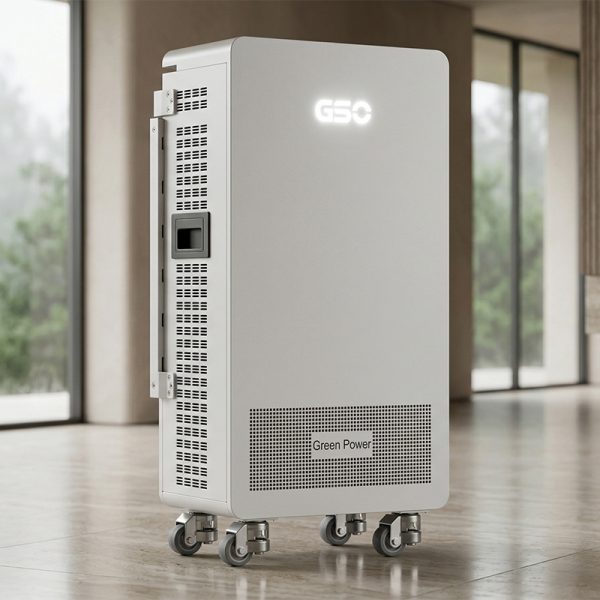
Compare vendors on three practical axes: measured performance (tested capacity and efficiency), safety controls (BMS, cell chemistry, and thermal management), and service/documentation (traceability and test reports). If “brand A” posts third-party UL test results while “brand B” provides only lab claims, favor the documented option. Also consider replacement economics: expected cycle life tied to DoD will change lifetime cost per kWh discharged. For a direct product reference, a certified lithium solar battery should have clear data sheets and cycle projections.

solar battery storage system

Advisory close — three golden evaluation metrics

1) Cycle life at usable DoD: prioritize systems that publish cycle life at your intended DoD rather than theoretical maxima. 2) Verified round-trip efficiency: choose systems with measured efficiency above industry median to reduce losses. 3) BMS transparency and fault logs: opt for manufacturers that provide BMS specifications and access to event logs for diagnostics. These metrics let you compare apples to apples and predict real household performance.

Final takeaway: a well-documented QC process turns cells into dependable home power, and that reliability is exactly what gsopower aims to deliver — tested, tracked, and ready. —

April 17, 2026 0 comments
0 FacebookTwitterPinterestEmail
Market

The Energy Metrology Playbook: Quantifying Round‑Trip Losses and Auxiliary Draws for High‑Fidelity ESS R&D

by Dennis March 27, 2026

Why a data‑driven metrology matters

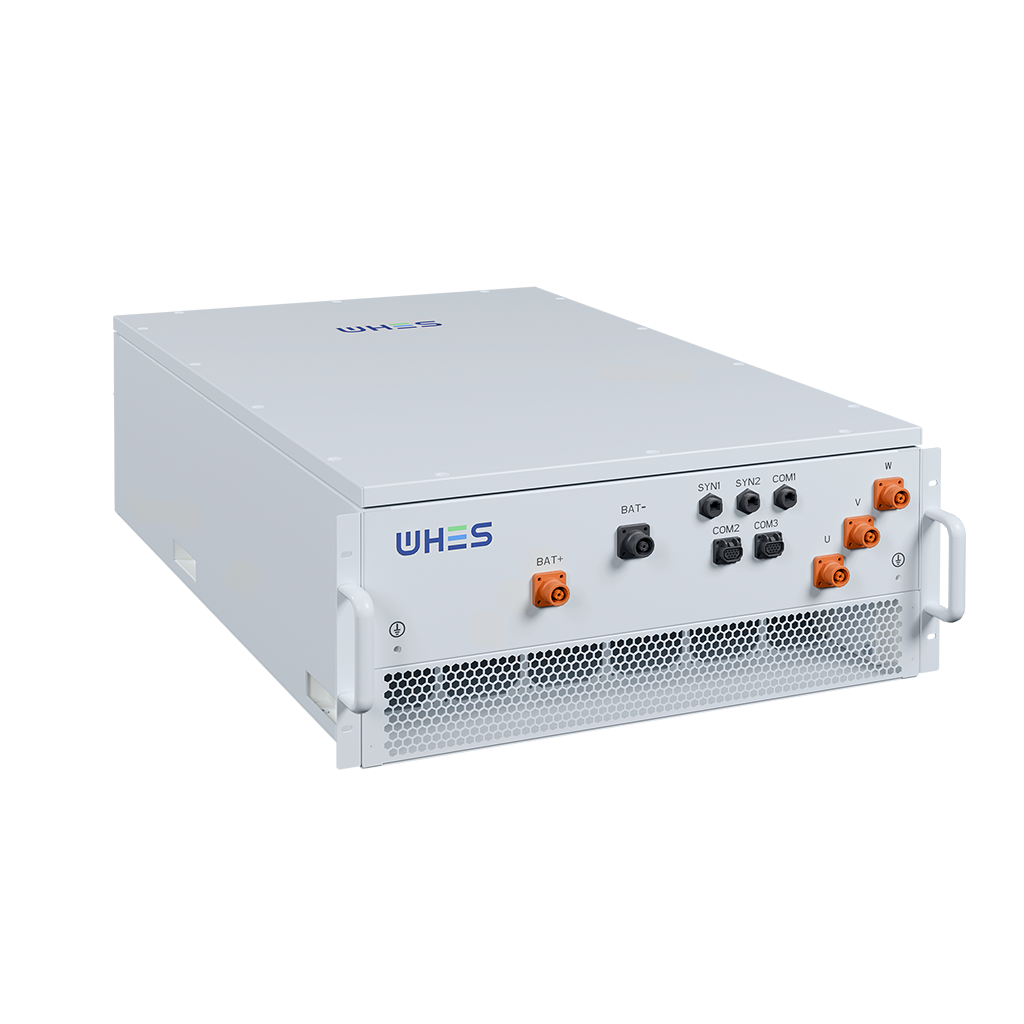
In product R&D you cannot rely on estimates — must measure. A data‑driven metrology approach gives teams clear numbers for round‑trip efficiency and parasitic or auxiliary load draws, so your designs actually meet SLAs and O&M expectations. For commercial deployments this is especially critical: modern commercial battery storage systems are managed against tariffs, outage scenarios, and lifecycle costs, so instrumenting for fidelity up front saves real money later. See also practical examples from commercial battery storage pilots that report measurable gains in dispatch accuracy and lifecycle projections.

commercial battery storage

Core metrics to capture

Keep measurements concise and comparable. The essentials are: round‑trip efficiency (energy out ÷ energy in), auxiliary load (continuous draws from BMS, thermal management, pumps), inverter losses (power conversion inefficiency), and state‑of‑charge (SoC) drift over time. Use standard units (kWh for energy, W for steady draws) and sample at sufficient frequency to catch transient behaviors — 1 Hz is often a good starting point for system‑level tests. These metrics help you calibrate models and inform procurement specs like depth‑of‑discharge (DoD) limits and charger/inverter ratings.

How to design repeatable tests

Design tests that mimic intended operational profiles: peak shaving cycles, daily arbitrage, and backup discharge ramps. Use controlled charge/discharge sequences with known step profiles so you isolate inverter switching losses from cell chemistry inefficiencies. Also log auxiliary loads during idle, standby, and active cooling cycles — many teams undercount fans, contactor heaters, or comms modules. For repeatability, define temperature, SoC windows, and ramp rates in the test protocol; don’t just say “nominal conditions.”

Instrumentation and data hygiene

Choose metrology tools that match the scale: high‑precision energy meters for system‑level round‑trip checks, clamp meters for branch currents, and temperature sensors near hottest cells. Synchronise clocks across devices (NTP or GPS) to align events. Record metadata: firmware versions, inverter topologies, and battery chemistry. Keep sampling resolution high enough to see switching transients but balance data storage and processing overhead. One practical trick — log both raw and aggregated data streams so you can reprocess without repeated tests.

Common pitfalls — and quick fixes

Teams regularly make the same mistakes: assuming inverter datasheet numbers match field behavior; ignoring auxiliary draws during quiescent periods; and treating SoC estimation as exact. The usual fixes are simple: validate inverter efficiency across real load curves, meter auxiliary systems independently, and calibrate SoC estimation with coulomb counting plus periodic full‑cycle verifications. — Also, don’t let short‑duration tests mask thermal effects that show up only after hours of cycling.

Real‑world anchor: lessons from California deployments

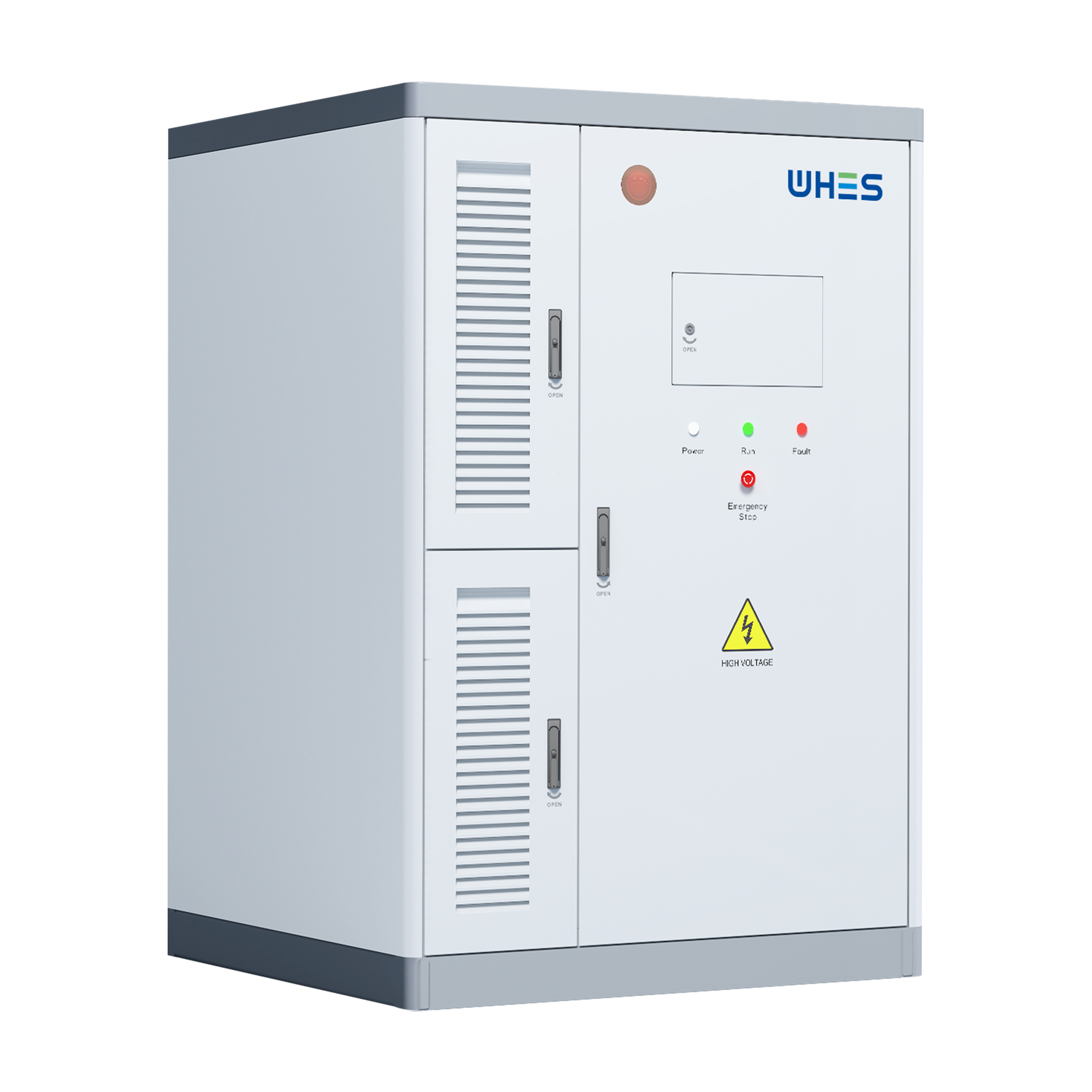
Field programmes in California during recent wildfire seasons showed why measurement matters: many commercial projects installed battery systems primarily for backup and frequency services, only to find that unmetered auxiliary draws and conservative SoC margins reduced usable capacity in critical events. Public reporting and utility filings from these deployments highlighted mid‑80s to low‑90s percent round‑trip efficiencies for modern li‑ion systems under field conditions — a useful baseline when you benchmark designs. This kind of anchor helps you set realistic performance targets and procurement acceptance tests.

commercial battery storage

Integrating metrology into R&D workflows

Metrology should be embedded in the design loop: early prototypes go through a standard test suite, results feed simulation models, and iterations follow. Version control for test scripts, and automated analysis pipelines, speed iteration — especially when you combine physical testing with digital twin runs. When moving from lab to field, ensure your test protocol scales to full‑stack environments and aligns with the expectations of c&i installers and asset owners; linking lab metrics to field KPIs is how you turn measurements into commercial value. Consider connecting to real system management stacks used in c&i battery storage projects so telemetry maps to operational dashboards.

Comparative checks and validation strategy

Run comparative checks: lab vs. bench vs. field. If lab results differ from field by more than a few percentage points, hunt thermal effects, cabling losses, and auxiliary draws first. Validation should include worst‑case scenarios — low ambient temperatures, partial SoC windows, and emergency dispatches — because those are when margins matter. Use regression tests periodically; treat them like unit tests for your powertrain. If a supplier claims 95% round‑trip, demand the test protocol and reproduce at your scale.

Advisory: three golden rules for metrology in ESS R&D

1) Measure the whole system, not components: always include inverters, fans, comms, and contactors in energy accounting so round‑trip figures reflect reality. 2) Standardise protocols: define temperature, SoC bands, ramp rates, and sampling frequency so comparisons are apples‑to‑apples. 3) Tie metrics to commercial use cases: translate efficiency and auxiliary draws into revenue impacts (dispatch profitability, backup capacity) before finalising designs.

The bench tests, field lessons, and calibrated models all point to one practical truth: accurate metrology turns design assumptions into commercial confidence — a capability that companies like WHES bring to system design and deployment. —

March 27, 2026 0 comments
0 FacebookTwitterPinterestEmail

Recent Posts

  • Policy-Impact: A Practical Compliance Checklist for Sourcing 10kWh Home Battery Systems
  • Five Tough Lessons: Making Biodegradable Mulch Work with Agriculture Plastic Film
  • The Comparative Choice: Recyclable Alloys Versus Conventional Materials for Commercial Office Signage
  • Comparative Guide to Selecting a Tissue Homogenizer/ for Reliable PCR Extraction
  • The Comparative Brief: Energy-Savvy Choices for Farmhouse-Style Ceiling Fans with Integrated Lighting

Recent Comments

  1. Penci on Get Lost in the LA
  2. Penci on Weekend Coffee & Music
  3. Penci on Amazing Nature of Ireland
  4. Penci on Story of a Traveler
  5. Penci on Freedom under the Sun

About Me

About Me

Writer & Reader

Neque porro quisquam est, qui dolorem ipsum quia dolor sit amet, consectetur, adipisci velit, sed.

Keep in touch

Facebook Twitter Instagram Pinterest Tumblr Youtube Bloglovin Snapchat

Recent Posts

  • Policy-Impact: A Practical Compliance Checklist for Sourcing 10kWh Home Battery Systems

    May 25, 2026
  • Five Tough Lessons: Making Biodegradable Mulch Work with Agriculture Plastic Film

    May 25, 2026
  • The Comparative Choice: Recyclable Alloys Versus Conventional Materials for Commercial Office Signage

    May 24, 2026
  • Comparative Guide to Selecting a Tissue Homogenizer/ for Reliable PCR Extraction

    May 24, 2026
  • The Comparative Brief: Energy-Savvy Choices for Farmhouse-Style Ceiling Fans with Integrated Lighting

    May 21, 2026

Categories

  • Business (100)
  • Featured (6)
  • Global Trade (103)
  • Industry (73)
  • Life (2)
  • Market (100)
  • Moments (7)
  • Nature (5)
  • Stories (6)
  • Tech (114)
  • Travel (5)

About me

banner
Soledad is the best selling Blog & Magazine WordPress Theme of this year on Themeforest.

Popular Posts

  • 1

    My Baby Cactus

    June 7, 2017
  • 2

    Writing New Life Chapter

    June 7, 2017
  • 3

    Green Corner in My Home

    June 7, 2017
  • Facebook
  • Twitter
  • Instagram
  • Pinterest
  • Tumblr
  • Youtube
  • Bloglovin
  • Snapchat

@2019 - All Right Reserved. Designed and Developed by PenciDesign


Back To Top
greenswriting
  • Home
  • Business
  • Featured
  • Global Trade
  • Industry
  • LifeHot
  • Market
  • Tech
  • Travel