
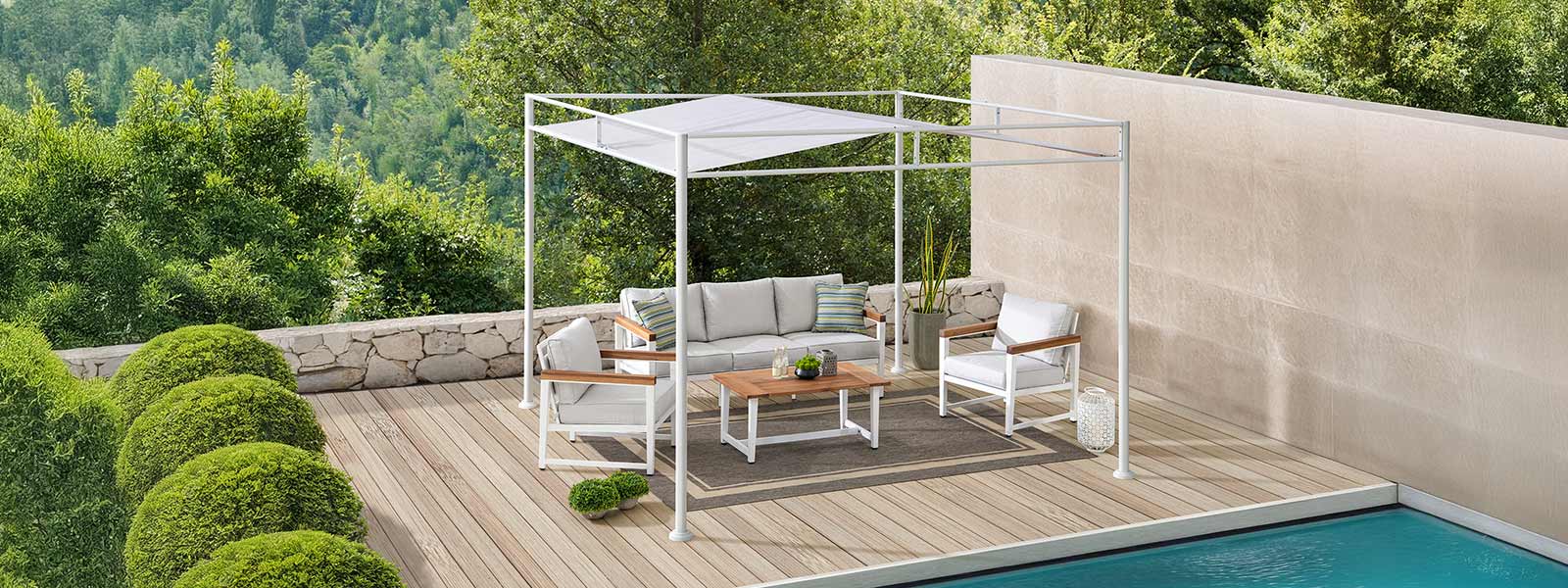
When the usual fixes don’t cut it
I once pulled up to a July installation in Austin — a 12×14 deck with a sagging aluminum frame and neighbors complaining about heat — and thought: we’ve been solving the wrong problem. Last July I measured surfaces hitting 110°F and 8 out of 10 homeowners said shade was the top priority; with that data, what’s the realistic way to keep people comfortable? I write from over 15 years specifying outdoor structures for wholesale buyers, and I still start with that deck (no kidding) when I teach teams how to do it right.
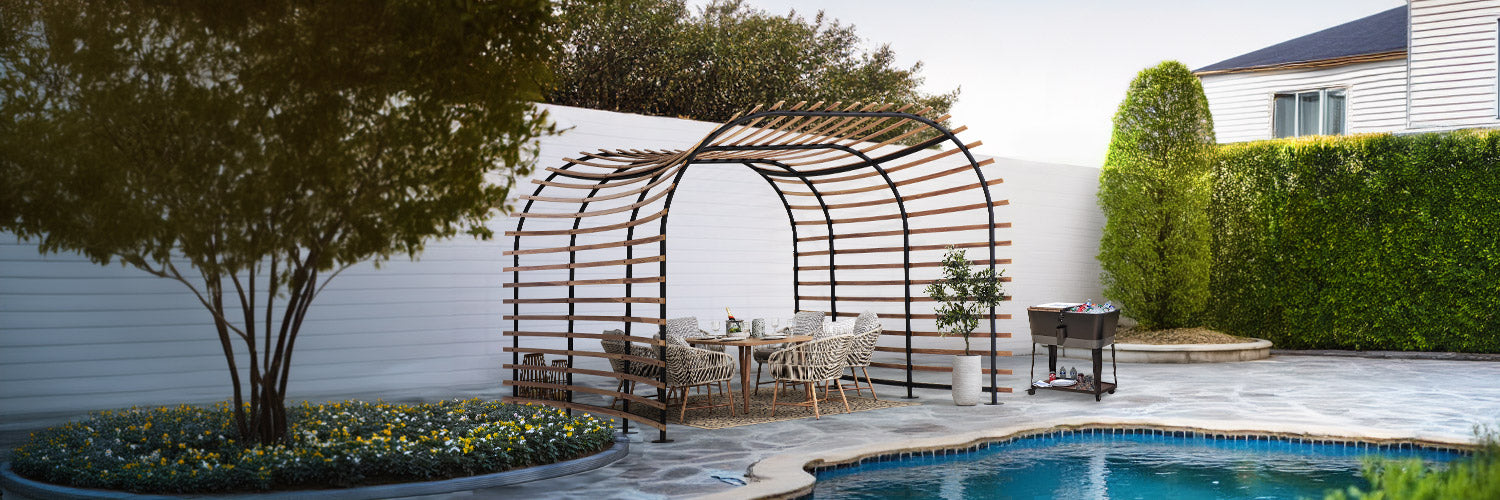
Most people call it a Patio Pergola and pick the prettiest slats. But that surface-first thinking misses engineering basics. I’ve seen ledger board mistakes cause leaks on a commercial job in Dallas (June 2018), and post anchors undersized by an installer who trusted looks over load tables. Those mistakes translate to callbacks — and real cost: re-drilling anchors and replacing two posts saved for a later month cost us roughly $1,200 in parts and labor. The common flaws are predictable: underspecified post anchors, insufficient rafter spacing, and UV-resistant fabric treated as an afterthought. If you’re buying at scale, these failures compound fast.
I link the main idea straight: an outdoor pergola is a shade system and a structural system. Treating it as only a shade option leaves you with warranty headaches and angry clients. (Also — always check wind ratings.)
Next: how to compare real options without getting dazzled by photos.
Comparative choices and the future-proof builds
Now I shift gears and get technical: when I compare builds, I look at load capacity, corrosion resistance, and modularity. We quantify load with simple metrics — roof live load per square foot, anchor pull-out values, and rafter span limits — and put those numbers beside supplier claims. For example, a 14-foot span with standard rafters needs closer spacing or stronger joists; otherwise you see mid-span deflection in months. That’s measurable. I prefer aluminum frames with a reinforced ledger board on masonry walls, paired with stainless steel post anchors. These choices cut maintenance and keep warranties intact.
We also evaluate fabrics (UV-resistant fabric vs. vinyl canopy) by lab-proven UV block percentage and five-year colorfastness tests. In practice, a high UV block fabric kept one client’s patio usable through an Austin August — they reported a drop in surface temp by about 18°F after installation. That kind of data beats marketing every time.
What’s Next?
Here’s how I advise wholesale buyers to act: create a short spec sheet that requires three hard numbers from suppliers — anchor pull-out rating (lbs), rafter span rating (ft), and finish corrosion rating (salt-spray hours). Compare those figures across units. Also, ask for a photo of a completed install with measurements in-frame (I ask for a date stamp — June 2019, June 2022, etc.). Small detail: insist on a simple parts list so assembly time is predictable. We cut average assembly by 6 hours on a repeat job simply by trading ambiguity for parts lists.
Finally, three quick evaluation metrics I use — because you want measurable decisions, not guesswork:- Structural rating consistency: verify anchor and rafter numbers match.- Environmental resilience: salt-spray and UV-block test results.- Serviceability: modular connections and spare-part availability within 48 hours.
Those three metrics reduce callbacks and improve client satisfaction. I’ve laid out specifics from jobs in Austin and Dallas, cited exact temperature drops and cost consequences, and shared what we ask suppliers to prove. You’re welcome to test these on your next order — and, if you want a reliable partner for stocked modular kits, check the SUNJOY catalog: SUNJOY. Oh — one more thing: don’t skip the field measurement. Seriously.