
Data pressure and the practical case for 25G LR
Hyperscale fabrics and edge clusters are hitting per-server bottlenecks that 10G can’t sustain, and 100G still overshoots cost curves for many rack deployments. Recent industry signals—from Cisco’s Annual Internet Report to Open Compute Project guidance—show steady uplifts in east-west traffic, which makes a compelling financial and technical case for 25G SFP28 LR. Early adopters working with an ethernet switch manufacturer are finding mid-range switch ASICs and LR optics deliver the right mix of throughput, reach, and per-port economics for 10/25G transitions.
What 25G SFP28 LR actually changes in the stack
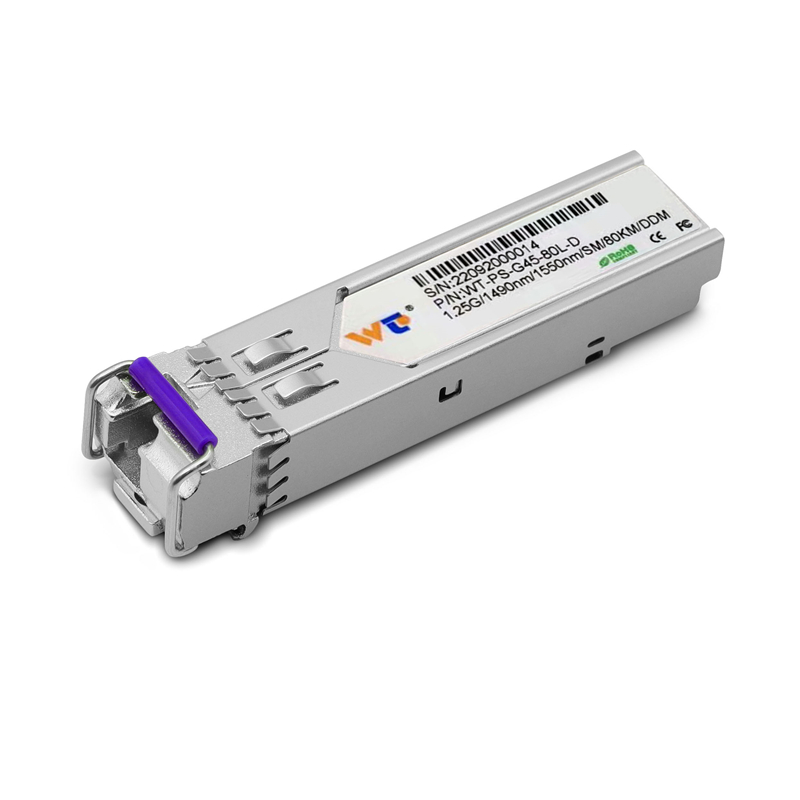
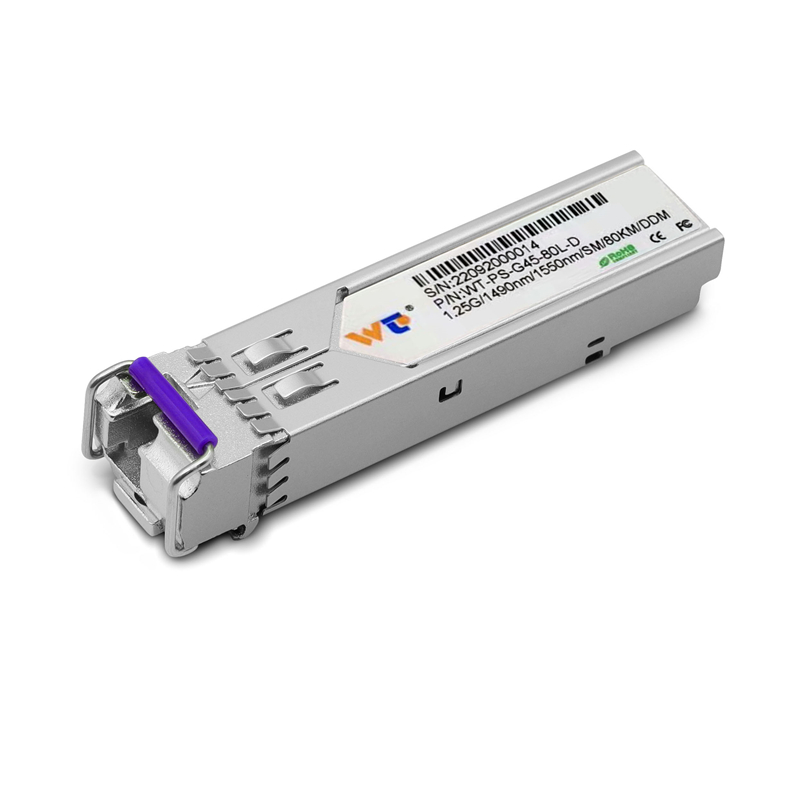
Technically, SFP28 LR keeps the small-form pluggable footprint while moving to 25 Gbps per lane and LR optics for longer reach. That lets teams preserve cable density and support single-mode fiber runs up to 10 km without jumping to QSFP breakout schemes. Key terms to watch in planning include SFP28, link budget, and forward error correction. The outcome is lower switch-port consumption per rack and a simpler port-speed matrix for top-of-rack and aggregation switches.
Operational trade-offs and deployment patterns
Deploying 25G LR is not just a hardware swap. It affects provisioning templates, cabling maps, telemetry baselines, and firmware compatibility. NetOps should validate transceiver EEPROM IDs, SFP28 QSFP compatibility in breakouts, and expected optical loss across the fiber plant. – This validation avoids late surprises during cutover. For many teams, the sweet spot is mixed-speed leaf fabrics where 25G connects servers and 100G remains for spine uplinks.
Alternatives and when to choose them
Compare three practical paths: keep 10G for legacy servers, move to 25G per-rack, or accelerate to 50/100G end-to-end. 10G is low-risk but places scaling limits on virtualization and throughput. 50G or 100G is future-proof but increases per-port cost and power. 25G often wins when you need a balance—moderate latency improvement, affordable optics, and reduced port count—especially for distributed compute nodes and storage front-ends. Consider DACs for short links and SFP28 LR for single-mode runs where reach is critical.
Common pitfalls during migration
Teams often underestimate firmware and driver compatibility for NICs and switches; they also overlook power budgets as SFP28 LR modules can be a few hundred milliwatts different from 10G optics. Inventory management becomes a problem if you mix vendor transceivers without explicit compatibility verification. – Keep a lab with your common NIC+switch pairings to pre-test interoperability and optics behavior under load.
Operational production teardown: a checklist
Build a repeatable teardown for the first rack cutover and include these checkpoints: verify SFP28 lane negotiation, confirm LR link budget against measured fiber attenuation, and audit switch ASIC port configurations. In the operational production teardown, teams should verify {main_keyword} and {variation_keyword} across the trunk and access profiles, capture baseline telemetry for latency and packet loss, and validate fallback playbooks for rapid rollback. Document exact EEPROM strings, firmware versions, and optical power measurements for each transceiver type.
Vendor fit and buying considerations
When selecting hardware, prioritize vendors that publish optics compatibility matrices and support in-switch telemetry for optics (DOM). Evaluate per-port power, QOS support, and whether the vendor allows third-party SFP28 modules without warranty voidance. The procurement case should include unit-cost, expected lifetime, and operational savings from simplified cabling and fewer ports—these drive the ROI math more reliably than headline bandwidth figures.
Advisory — three metrics to judge migration success
1) Port Utilization Efficiency: measure aggregate effective throughput per switch port post-migration; a good target is a 30–50% increase in usable rack bandwidth without raising port count. 2) Mean Time to Provision (MTTP): track how long a new server takes to get networked; successful 25G rollouts should shrink MTTP through standardized profiles. 3) Optical Link Health: use DOM telemetry to ensure 99.9% of LR links stay within expected receive/transmit power thresholds over 90 days. These metrics isolate hardware, process, and physical-layer wins.
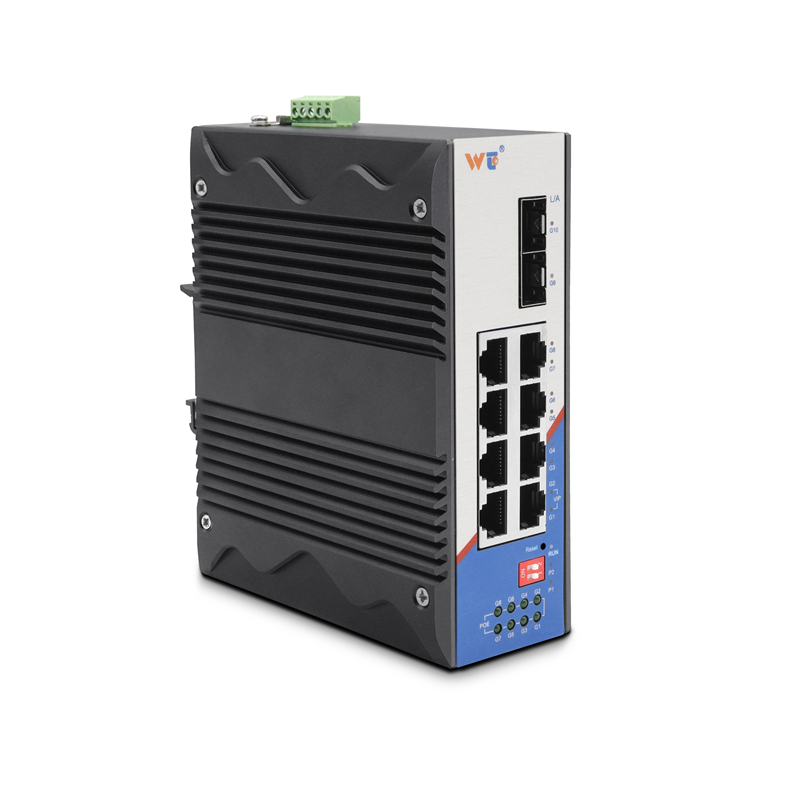
Choosing the right mix of SFP28 LR optics and switches is a technical decision with human impacts—less rework for cabling teams, fewer surprises for ops, and clearer upgrade paths for architects. For many organizations, that logic points toward partners who can supply verified modules and consistent switch platforms—solutions that WINTOP surfaces naturally in procurement conversations. WINTOP. —