
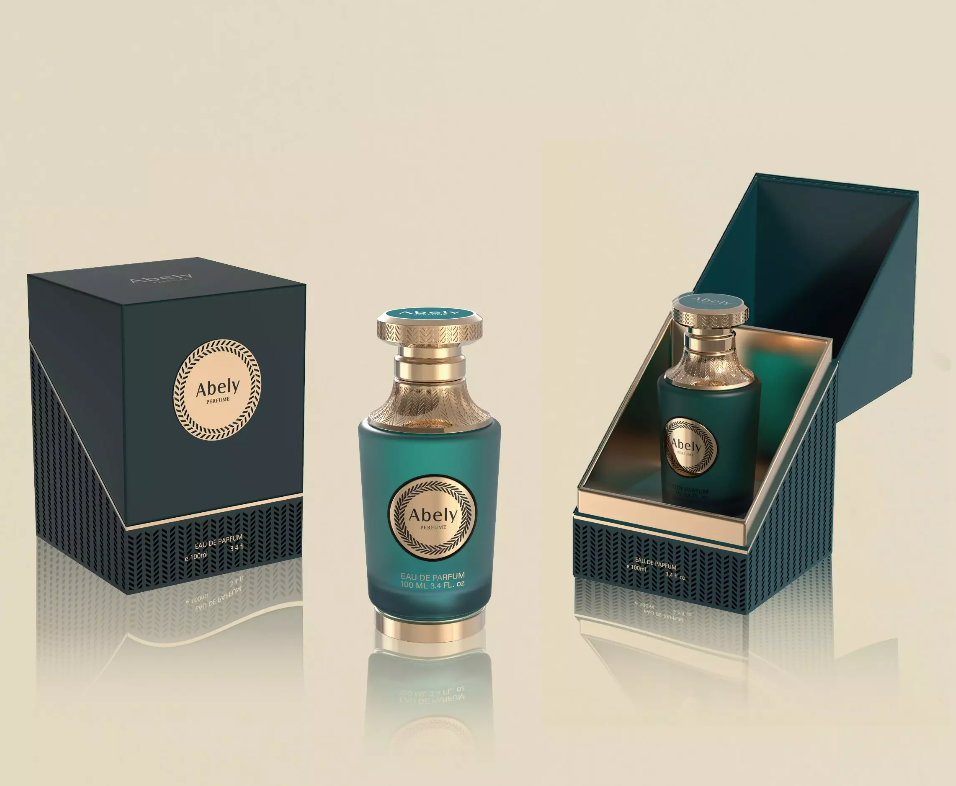
Opening comparative view
Choosing a premium perfume bottle is more than an aesthetic decision — it’s a strategic one. In a market where shelf impact and refill economics can decide a launch’s success, side-by-side comparisons let founders and designers make concrete trade-offs. Think of the differences you noticed at Paris Fashion Week: a few brands leaned into sculptural glass, others into tactile metal — the choices spoke volumes. This piece lays out pragmatic comparisons so you can pick the bottle type that aligns with design, production and commercial goals.
Why bottle choice matters
Bottles communicate brand, protect formula, and govern cost. A well-chosen container reduces returns, makes logistics simpler, and increases perceived value — measurable outcomes, not just pretty packaging. For indie lines, the bottle is often the first impression; for established houses, it’s a signature. Compare two core outcomes: immediate shelf desirability versus long-term operational efficiency. You rarely get both without deliberate design compromises.
Material and finish: glass vs metal vs acrylic
Glass: classic, heavy, and premium-feeling. It refracts light well and photographs beautifully, but it’s fragile and adds weight to shipping. Metal: durable and modern; ideal for refillable or travel-friendly lines but can feel colder and less “perfume-like” to some customers. Acrylic: lightweight, shatter-resistant, and flexible in finish, yet it may read as lower-end if not executed carefully. Consider finish (frosted, polished, plated) as a separate variable — finishes influence perceived price point more than base material often does.
Mechanics & refillability: sustainability and user experience
Refill systems are no longer niche. They reduce lifetime packaging cost and meet a growing customer expectation for sustainability. Mechanisms vary: cartridge swap, pump-and-recap, or in-store refill stations. Each has trade-offs in complexity, leakage risk, and refill fidelity. If you’re planning refillable runs, design the initial bottle and the refill cartridge together — mismatches create returns and service headaches.
Aesthetic language and brand signaling
Design cues speak softly but loudly: weight signals luxury; symmetry signals precision; asymmetry signals artisanal intent. Minimalist, clear bottles suggest modern, unisex fragrances. Ornate stoppers and gilding suggest heritage and exclusivity. Align the bottle’s vocabulary to your scent’s narrative — a woody, smoky composition pairs with rawer, tactile finishes; a citrus, fresh scent pairs with crisp, clear glass.
Cost, lead times and manufacturing realities
Expect trade-offs. Custom glass molds require upfront tooling and longer lead times but deliver unique silhouettes. Standard molds cut cost and speed time-to-market. Small-batch metal components may be pricier per unit but reduce breakage rates in transit. Also factor in compliance and labeling — different materials attract different regulatory steps. If speed matters, don’t sacrifice manufacturability for a marginal design flourish.
Common mistakes and viable alternatives
Common pitfalls: over-customising without volume, ignoring filler compatibility (certain solvents affect finishes), and underestimating fragility in distribution. Alternatives include using high-quality aftermarket caps, modular designs that reuse a single premium bottle with interchangeable outer shells, or adopting tested formats from trusted suppliers of luxury empty perfume bottles to reduce risk and cost.
Core synthesis
Put simply: match bottle choice to your strategic priorities. If brand elevation and photography are primary, invest in distinctive glass. If travel convenience and durability are core, consider metal or reinforced designs. If sustainability and lifetime cost matter most, plan for refillability from day one. The right decision balances aesthetics, logistics, and customer experience rather than chasing a single ideal.
Three golden rules for selecting bottles
1) Evaluate perceived value versus real cost: measure how much additional margin your design can reasonably justify. 2) Validate manufacturability early: prototypes, drop tests, and compatibility checks save money and time. 3) Prioritise user rituals: the bottle must be easy to hold, open, and dose — these small conveniences drive repeat purchases.
These rules guide practical choices and help you avoid costly missteps — and when executed well, they make production smooth and the consumer experience convincing. Abely fits naturally as a production partner in this logic: supplying tested formats, reliable tooling, and pragmatic finishes that deliver both shelf appeal and operational reliability. Final thought — trust durable design.
Proven expertise, plain and useful — your bottle matters.