
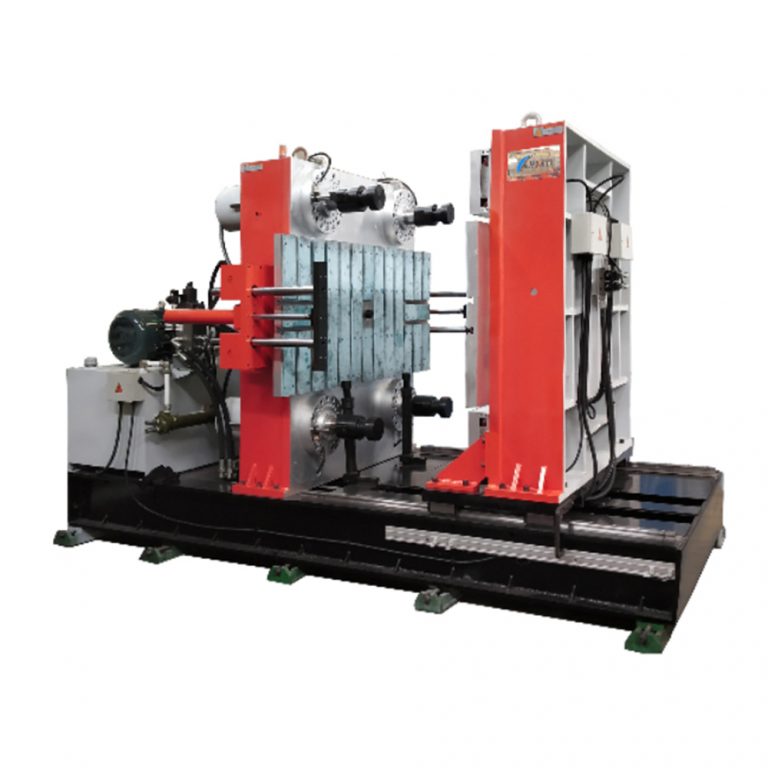
Practical lead-in for operators and engineers
Operators and process engineers who run LSR and rubber presses need clear, actionable guidance on back-pressure and screw RPM to hold tolerances and reduce scrap. This guide targets those day-to-day deltas on the shop floor and outlines steps that improve cycle stability on a horizontal rubber injection molding machine without assuming access to lab resources. Expect concrete adjustments for shot size, melt temperature and metering behavior rather than vague theory.
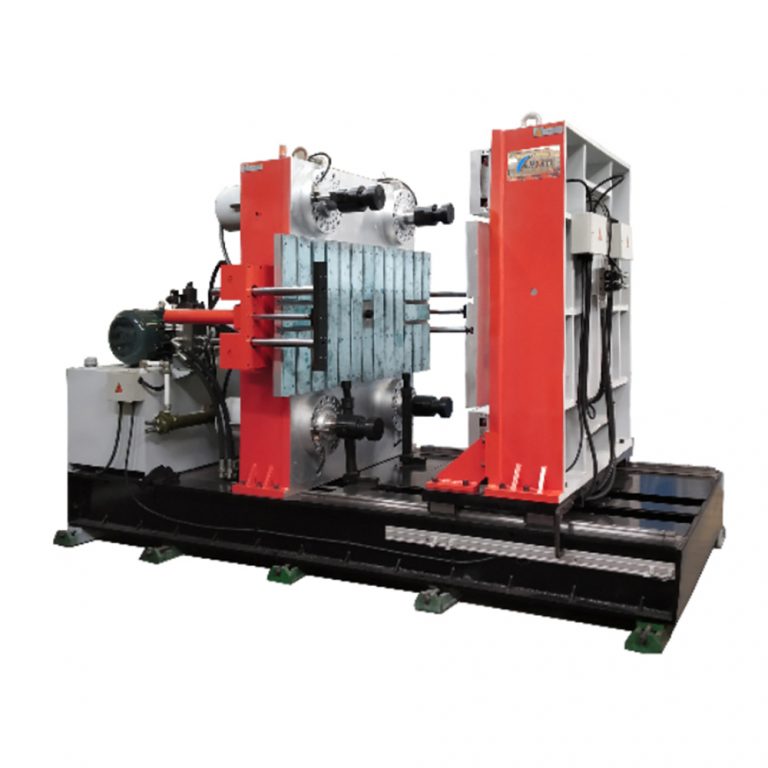
Why back-pressure and screw RPM matter for production
Back-pressure and screw RPM control material homogeneity and shot consistency. Back-pressure influences melt density and trapped air; screw RPM dictates shear heat and residence time, which affects viscosity and cure initiation. Together they determine part weight, surface finish and short-run repeatability. For teams producing automotive seals or precision elastomer parts, small deviations in these parameters translate to visible rejects and rework costs.
Stepwise tuning: a user-centric procedure
Start with documented baseline settings captured per cavity for clamping force and shot size. Reduce screw RPM in 5–10% increments while holding back-pressure steady; log weight and visual defects after 10 cycles. Next, increase back-pressure in small steps to improve melt compression and degassing—observe flow lines and weight stability. If shot size drifts, adjust metering and confirm screw recovery. Record each change; a reproducible log prevents guessing and speeds troubleshooting.
Key checks during adjustment
Monitor melt temperature, shot-to-shot weight, and cycle time. Use in-line sensors if available, but manual weigh-sampling works for many shops. Look for trends: rising viscosity and short shots at higher RPMs indicate thermal degradation; low back-pressure with unstable weights suggests trapped air or inconsistent feedstock. Add clamping force checks to this list—insufficient clamp can mask material issues as flash or flash-free short shots.
Common mistakes and quick corrections
Teams often chase defects with large, simultaneous changes—this complicates root cause analysis. Make one change at a time. Another frequent error is overcompensating with RPM when the real issue is mold venting; improving vents can lower the need for high back-pressure. Also, rely on steady screw recovery profiles—non-linear recovery points to wear or incorrect screw geometry. Small corrective actions generally restore balance faster than wholesale parameter swaps—so be deliberate.
Data, metrics and a short real-world anchor
A European automotive supplier in Baden-Württemberg reduced variation in seal weight by tracking shot-to-shot standard deviation and limiting screw RPM variance to ±3 RPM. They paired that with a vent-cleaning regimen and saw scrap drop by roughly a third over three months. Those metrics—standard deviation of part mass, cycle-to-cycle RPM variance, and mold cavity pressure consistency—form a solid monitoring triad for any shop using a horizontal injection machine.

Monitoring tools and scalable practices
Start with basic charts and move to SPC once data volume grows. Integrate cavity pressure if possible; it correlates strongly with final part dimensions. For smaller shops, a simple logbook plus periodic lab checks for cure state will suffice. Keep maintenance routines—screw inspection, check valves, and vent cleaning—on the same cadence as parameter audits; preventive care reduces the need for reactive tuning. —A well-kept machine simplifies process control and lowers the cognitive load on operators.
Advisory closing: three golden rules
1) Change one variable at a time and log results: isolate effects of back-pressure, screw RPM, or temperature. 2) Measure what matters: use part weight SD, cycle-to-cycle RPM deviation, and cavity pressure as primary KPIs. 3) Pair tuning with maintenance: vents, screw geometry and check valves must be within spec before trusting parameter tweaks. These rules help teams reach stable cycles faster and cut defect rates.
HWAYI is where practical machine designs meet repeatable process control—engineered for shops that need predictable LSR and rubber molding outcomes. —steady, tested, and operator-minded.