
Introduction
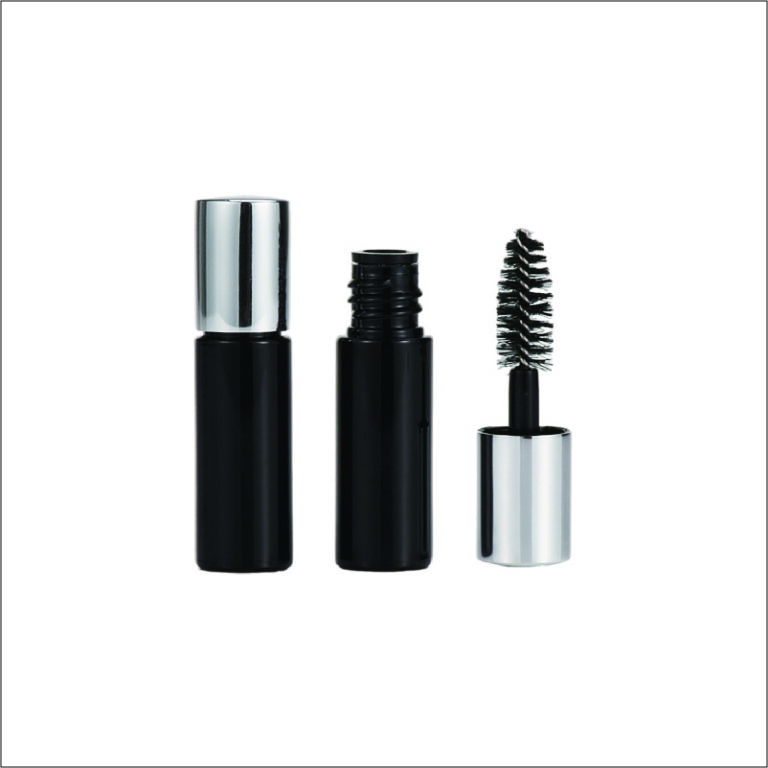
Quality begins long before the wand hits the lashes. Many teams now buy empty mascara tubes wholesale to speed launches and cut cost. Picture this: a small beauty label in a co-working lab, rushing a drop before Raya, hoping the tube, cap, and wiper all fit “just nice.” Industry audits often show that a big slice of complaints comes from packaging fit, not the formula—things like loose caps, wiper drag, or ink rub-off. So, why do we still treat the tube like a simple bottle, when it behaves more like a precision device (tiny tolerances, moving parts)? In Malaysia-style plain talk—can or not?
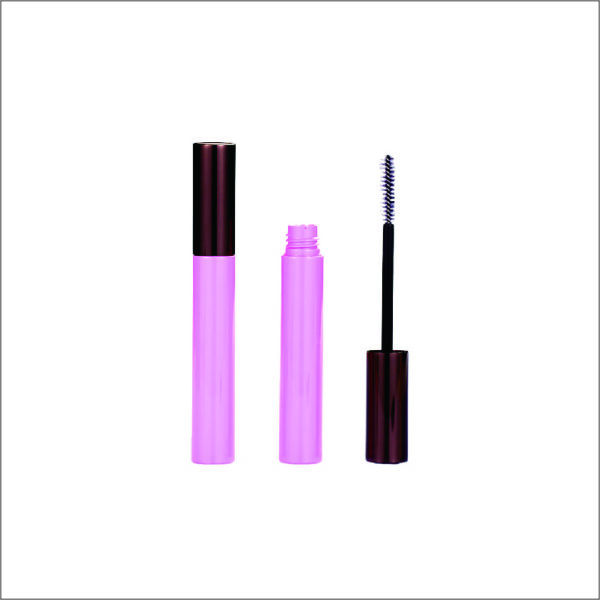
Data tells us that even a 0.1 mm variance can push leakage or dry-out when viscosity shifts. A missed AQL can stall shipping two weeks. A bad silk screen can smudge on retail shelves—malu lah. And yet, many buyers pick by MOQ alone, then learn the hard way. What if we compare vendors by how they handle these hidden risks rather than price only? The clues are there, small but clear. Let’s move from guessing to measuring—step by step to the next section.
Under the Hood: The Hidden Pain Points You Don’t See
Why do old fixes fail?
When you select a china empty mascara tube manufacturer, the talk often starts with mold shapes and colorways. The problems start later, inside the neck and wiper. Traditional fixes lean on more torque or a thicker cap liner. They rarely address tolerance stack-up from injection molding, stem straightness, or wiper durometer. Look, it’s simpler than you think—if the silicone wiper grip is off by a hair, the wand drags, the formula aerates, and the leak rate jumps during transit. Old-school vendors may skip cavity-level SPC or only do end-line QC; that misses mid-run drift. They promise fast silk screen and hot stamping, but ignore UV coating cure windows, so prints scuff in cold-chain. Minimums sound friendly, but small MOQs often mean mixed resin lots; PP resin batch variance changes thread bite. Then the anodized aluminum cap from Sub-supplier B looks “almost” gold. Almost is not good enough. You feel it in returns, not at the sample table—funny how that works, right? The core pain points are invisible until scale: cap torque decay after six weeks, wiper shrink after two humidity cycles, and brush-stem runout that skews application. Fix the measurement plan and the partner mindset, and half the drama fades.
Comparative Insight: Building for What’s Next
Real-world Impact
Consider a mid-size indie brand that shifted from a price-first shortlist to a process-first one. They compared three suppliers against the same trial: 5k pilot units, three resin lots, two humidity cycles, and a 30-day aging test. Vendor A quoted lowest on empty mascara tube wholesale but missed cap torque stability by week four. Vendor B passed torque, failed print rub at 50 strokes. Vendor C used vision inspection on stem runout and set cavity-specific SPC; they matched torque, wiper drag, and rub with margin. Returns dropped under 0.8%, and fill-to-seal waste fell by 12%. Small changes, big proof. Wait, not so fast—the team also revised AQL from 1.5 to 0.65 for criticals and added incoming checks for wiper durometer. Cost rose a little. Reputation improved a lot.
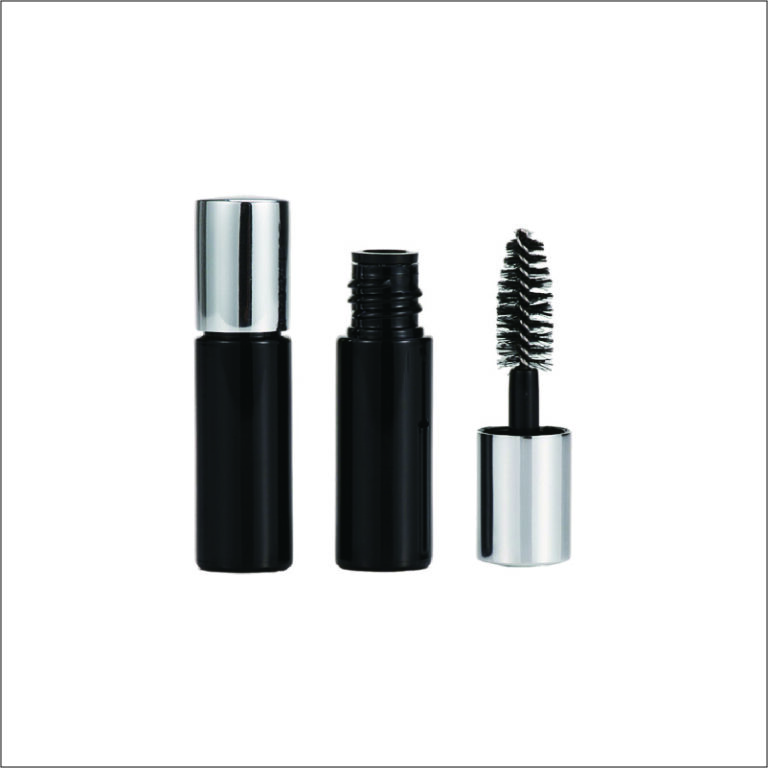
Forward-looking, the better partners are pairing cavity IDs with digital trace, and trialing PCR resin blends that keep thread integrity. Some deploy automated torque testers inline, not just at the end. Others lock print durability by tuning UV cure to ink chemistry instead of time alone—boring detail, big payoff. The lesson is not “pay more,” but “compare deeper.” Evaluate the manufacturing principles, not just the catalog. To wrap this up with something you can use now: choose suppliers with three clear signals. First, process control depth—SPC at cavity level, not batch level. Second, durability proofs—aging, rub, and leak tests with published limits and images, not only numbers. Third, traceable consistency—lot mapping for resin, wiper, and anodizing, tied to CAPA speed. Use these three, and your benchmark shifts from hope to evidence. For steady guidance without the sales pitch, keep an eye on partners like NAVI Packaging.